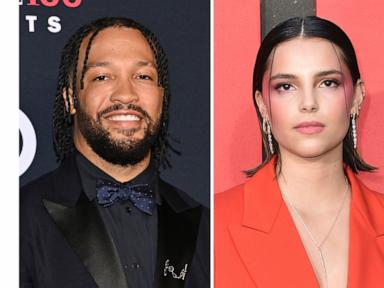
When Saturday Night Live announces its season premiere lineup, industry veterans usually look for predictable patterns of movie star promo tours and late-night talk show cross-pollination. This year, the machinery at Studio 8H pivoted sharply. Securing New York Knicks guard and reigning NBA Finals MVP Jalen Brunson to front the Season 52 opener on September 26, 2026, alongside pop ensemble Katseye, signals an aggressive, calculated disruption to traditional television booking.
Television programmers rarely hand the keys of a flagship late-night broadcast to an active professional athlete outside of the immediate glow of an Olympic cycle or a once-in-a-generation championship run. Brunson stepping up to host follows the Knicks claiming their first Larry O'Brien trophy in 53 years, transforming local New York sports hysteria into a national pop culture mandate. Executive producer Lorne Michaels understands the shifting architecture of viewer attention. Traditional linear ratings have eroded to the point where stunt casting is no longer a luxury; it is survival. For a different perspective, check out: this related article.
To understand why this specific roster matters, look past the initial headline and examine the audience demographics being aggressively hunted. By pairing Brunson with Katseye for the premiere, NBC is bridging two entirely separate fandoms that rarely intersect on traditional television: sports Twitter and global Gen Z streaming cohorts. Katseye represents a hybrid model of pop production, fusing western hook structures with international performance training. Placing them opposite a gritty, undersized basketball star who just delivered an impossible title to Madison Square Garden creates an immediate appointment-viewing friction.
The booking calendar for the rest of October reveals an equally deliberate formula. Dakota Johnson returns on October 3 to push her film slate, flanked by Baltimore hardcore exports Turnstile. Turnstile landing a Studio 8H slot marks a fascinating institutional nod to guitar-driven underground music infiltrating mainstream late-night—a space once strictly reserved for radio-formatted pop acts. A week later, comedian Shane Gillis returns for his third turn at the podium, paired with Rosalía. Gillis occupying a recurring slot despite his historical friction with network brass underscores a unique reality of modern comedy booking: internet-native followings now outweigh corporate risk aversion. Related coverage on this trend has been shared by IGN.
Then comes the Halloween broadcast featuring Inde Navarrette. Navarrette steps into the hosting spotlight on October 31, backed by Gracie Abrams. Navarrette's ascent from the horror-thriller space into major franchise territory reflects a broader industry scramble to crown new cinematic royalty before older box-office anchors completely age out of the demographic sweet spot.
Yet, hosting Saturday Night Live as a non-actor remains a brutal trial by fire. Athletes stepping onto that stage face a notoriously insular writers' room where comedic timing is measured in fractions of a second. Live cue cards do not forgive nervous cadence or wooden delivery. When Peyton Manning or Charles Barkley hosted in past eras, the humor relied heavily on self-deprecation and leaning into athletic archetypes. Brunson enters with a different psychological profile. He carries the deadpan, hyper-focused demeanor of a franchise player who has spent years silencing critics in hostile arenas. If the writers lean into his New York grit rather than forcing him into cheesy sketches about basketball drills, the experiment could yield some of the sharpest cold opens of the decade.
Behind these marquee names lies a quieter operational reality. The show trimmed its roster over the summer, shedding veteran presence and writing room staples to make room for emerging voices. This injection of external talent—from an NBA champion to boundary-pushing musical acts like Turnstile—serves as a stress test for a series entering its sixth decade of production. The monoculture is fractured into a million digital shards, and catching those pieces requires a hook sharp enough to draw blood.
The calculation is clear. If Studio 8H relied solely on traditional Hollywood promotional cycles this autumn, the cultural impact would flatline in a sea of fragmented streaming options. By drafting an active sports hero at the exact peak of his regional and national leverage, the show has forced everyone back to the live feed. Saturday Night Live is betting that the collision of sports, internet subcultures, and raw curiosity will override the fatigue of appointment television. Come late September, the cameras roll not just on a sketch comedy institution, but on an expensive, high-stakes gamble to capture the shifting pulse of American entertainment.