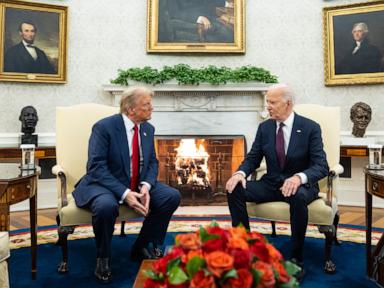
Washington is bracing for a legislative collision. As newly elected Democrats arrive on Capitol Hill for freshman orientation following the midterm elections, they are walking directly into an executive branch undergoing aggressive personnel restructuring—a dual dynamic that will dictate federal spending, oversight subpoenas, and regulatory policy for the next two years.
The surface-level cable news narrative reduces this moment to partisan theater. Cameras capture incoming lawmakers posing on the Capitol steps while pundits speculate over who got fired or reassigned inside the West Wing. That framing misses the structural reality of how power actually operates in the capital.
When an administration reshuffles its senior ranks immediately after an election, it is rarely an act of panic. It is an act of fortification.
The Anatomy of a Post-Election West Wing Reshuffle
Every modern presidency hits an inflection point after its first midterm cycle. By the two-year mark, the initial wave of campaign loyalists who staffed the West Wing is exhausted. More importantly, their skill sets—built for rallies, messaging, and rapid-response communications—are poorly suited for the trench warfare of a divided or newly combative Congress.
Watch the resumes of the people moving in, not the press releases about the people moving out.
A true White House shake-up in November signals a shift from legislative ambition to executive defense. When a president brings in seasoned procedural operators, former congressional committee counsels, and veteran crisis managers, the administration is preparing for two specific realities:
- Subpoena defense and oversight gridlock. Incoming opposition members do not arrive in Washington to pass sweeping bipartisan bills. They arrive with campaign promises to investigate executive agencies, cabinet secretaries, and regulatory rollbacks.
- Unilateral governance. When the legislative pipeline narrows, policy moves entirely to the federal register. Executive orders, agency rulemaking, and regulatory enforcement become the primary tools of the presidency, requiring lawyers who can survive judicial review rather than communicators who can win a news cycle.
The departing staffers usually take the public blame for midterm losses, giving the administration a clean rhetorical break. Meanwhile, the replacements quietly lock down the internal clearance processes, centralize control over cabinet agencies, and prepare legal shields before the new Congress is even sworn in.
What Newly Elected Democrats Actually Face on Arrival
For the incoming class of newly elected Democrats, the gap between campaign rhetoric and institutional reality is immediate and brutal. Freshman orientation in Washington is not a victory lap. It is a rapid-fire indoctrination into seniority rules, fundraising quotas, and caucus discipline.
Many of these newcomers won tough districts by running against the status quo in both parties. Once they step off the train at Union Station, however, they enter a rigid hierarchy where committee assignments determine their actual power.
The Committee Bottleneck
A member of Congress without a prime committee seat is essentially a commentator with a voting card. Incoming Democrats immediately begin lobbying leadership for spots on the panels that hold real leverage—Appropriations, Ways and Means, Energy and Commerce, or Judiciary.
Leadership uses those assignments as a leash. Freshman members who want influence over infrastructure dollars for their districts or a microphone during high-profile oversight hearings quickly learn that straying from caucus priorities carries a steep institutional price.
The Fundraising Treadmill
Within days of arriving in the capital, new lawmakers are handed call lists and escorted to off-site party headquarters to dial donors. The financial demands of defending marginal seats begin immediately, pulling attention away from policy drafting and forcing newcomers to rely heavily on established leadership PACs and ideological caucuses for survival.
Why the Timing Creates a Strategic Vacuum
Between election night in November and the swearing-in ceremony in January, Washington operates in a peculiar twilight zone. The outgoing Congress enters a lame-duck session, scrambling to pass must-pass funding bills and confirm pending judicial or executive nominees before the gavel changes hands.
Simultaneously, the White House shake-up creates temporary friction inside the executive branch. Outgoing officials lose their bureaucratic clout overnight. Career civil servants inside federal agencies—who have watched dozens of political appointees come and go—often slow-walk major decisions until the new West Wing leadership establishes clear lines of authority.
This two-month transition window is where major policy battles are won or lost before the public even realizes a fight has started.
- Midnight rulemaking: Outgoing agency heads rush to finalize regulations so they take legal effect before the new Congress can use the Congressional Review Act to overturn them.
- Lame-duck horse-trading: Veteran lawmakers cut last-minute deals on defense authorization and government funding, often attaching riders that bind the hands of the incoming freshman class before they ever cast a vote.
- Narrative framing: Both the restructured White House communications team and the incoming Democratic caucus spend November and December fighting to define the mandate of the election.
If the White House successfully frames incoming Democrats as obstructionists before January, the administration gains leverage in early budget standoffs. Conversely, if the new arrivals unify around a disciplined economic and oversight message during orientation, they can force the West Wing onto the defensive from day one.
The Overlooked Factor of Career Bureaucracy
Political coverage obsesses over elected officials and top White House aides, largely ignoring the permanent institutional machinery that sits between them. Yet the interaction between a newly reshuffled West Wing and incoming congressional investigators depends heavily on the career civil service and agency Inspectors General.
When a White House brings in hard-charging political enforcers to tighten control over the executive branch, friction with career agency staff almost always spikes. Those internal tensions frequently leak outward—directly to the newly staffed committees on Capitol Hill.
Incoming Democrats do not need to invent investigative leads out of thin air. When an administration undergoes an abrupt personnel overhaul, disgruntled former appointees and frustrated career officials often become the primary sources for congressional oversight staffers. Every firing or forced resignation in the West Wing creates a potential witness for a future committee hearing.
Historical Precedent and the Limits of Restructuring
Washington history offers a clear warning to administrations that treat staffing changes as a cure-all. Rearranging the org chart inside the West Wing cannot fix fundamental mathematical problems on Capitol Hill.
Consider a hypothetical example of how this plays out in practice. Suppose an administration replaces its chief of staff and communications director in November, bringing in seasoned legislative negotiators to break a stalemate over federal spending. Even with brilliant tacticians in the West Wing, if the incoming opposition caucus holds enough votes to block a clean continuing resolution—and its freshman members face primary threats back home if they compromise—no amount of staffing brilliance will prevent a shutdown showdown.
Personnel changes alter tactics, not political gravity.
Past administrations have repeatedly fallen into the trap of believing a fresh set of faces in the West Wing would reset their relationship with Congress. In reality, structural polarization and narrow legislative margins dictate the terms of engagement. A new chief of staff can streamline decision-making and stop self-inflicted messaging wounds, but they cannot change the electoral incentives of a freshman lawmaker representing a swing district.
How the Collision Shapes the Next Two Years
As the newly elected Democrats unpack their boxes in the Cannon and Longworth office buildings and the restructured West Wing settles into its new chain of command, the contours of the coming legislative session are already locking into place.
Expect fewer sweeping legislative packages and far more procedural brinkmanship. Debt ceiling deadlines, government funding expirations, and judicial confirmation battles will serve as the primary arenas of combat. Meanwhile, the real work of governance will happen out of sight—in obscure regulatory dockets, Inspector General reports, and closed-door depositions.
The cameras will stay trained on the fresh faces arriving at the Capitol and the departing aides walking out of the West Wing gates, while the people actually rewriting the rules of federal power quietly lock their office doors and get to work.