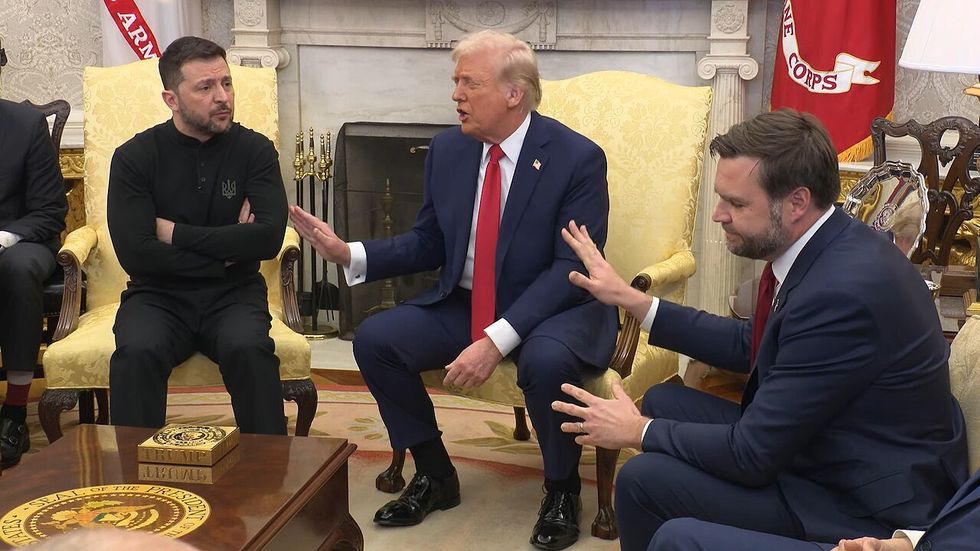
The threat of congressional investigations into President Donald Trump is no longer a distant Democratic talking point; it is taking shape inside a fractured Republican coalition reeling from November 2026 midterm losses and simmering disputes over loyalty and policy. After disappointing midterm results that rattled party operatives and sparked open rebellion against party leadership, fissures between the White House and restive GOP factions have widened into public defiance. When allies accuse a leader of betrayal, rhetoric quickly shifts from quiet grumbling to subpoena power, oversight demands, and institutional brinkmanship.
For years, Trump's hold on the Republican Party rested on a straightforward bargain: loyalty to the movement in exchange for populist policy wins, judicial appointments, and electoral muscle. That bargain looks strained in late 2026. A revolt does not materialize overnight in Washington. It builds through bruised egos, blown electoral forecasts, contested party leadership battles, and policy disagreements that force lawmakers to calculate their own political survival ahead of the next cycle.
How Electoral Setbacks Trigger GOP Rebellions
Midterm losses have a way of stripping away political immunity. When election night delivers harsh verdicts in key states and districts, the blame game starts before the ballots are even finished being counted. Party insiders begin questioning strategic decisions, campaign messaging, and White House interference in state and national party machinery.
Look at the mechanics of a party civil war. Loyalists demand more fealty and tighter discipline. Dissidents argue that doubling down on unpopular policies or handpicked loyalists only compounds the damage. At the Republican National Committee, post-election frustration has surfaced openly around party leadership and the January winter meeting fight in Arizona, where rebels are pushing for a real contest rather than a rubber stamp.
In modern American politics, a movement leader is invincible right up until the moment down-ballot candidates conclude that proximity to the top costs more votes than it wins.
That calculus changes everything on Capitol Hill. Even when a faction stops short of formal impeachment talk, the mere threat of investigations functions as leverage. Committee chairs, ranking members, and ambitious lawmakers know that subpoenas, document requests, and public hearings attract cameras and force the executive branch onto the defensive.
The Anatomy of a Political Betrayal
"Betrayal" is one of the most loaded words in politics because it means different things depending on which side of the room you occupy. To a populist base or a hardline lawmaker, a betrayal might mean walking back a pledge, cutting a deal with rivals, or sidelining allies who staked their careers on the agenda. To the White House, resistance from within the party looks like ingratitude or disloyalty at the exact moment unity is demanded.
Consider a hypothetical example of how this dynamic plays out in practice. Suppose a handful of senators from farm-heavy or trade-sensitive states break ranks over tariff or agricultural policy, stalling key administration priorities or judicial confirmations. If White House surrogates attack those lawmakers as traitors, those senators have little left to lose by cooperating with oversight inquiries or demanding executive branch records. Once bridges burn, institutional guardrails that previously held back intra-party probes begin to weaken.
There is also an overlooked factor in these clashes: institutional fatigue. Years of high-voltage confrontation, rapid-fire policy shifts, and aggressive use of federal agencies leave even sympathetic lawmakers weary of defending every move. Some Republicans want to protect their own committee turf and constitutional prerogatives rather than treat the legislative branch as a permanent extension of the White House press shop.
Why Oversight Threats Carry Real Weight Now
Not every investigation threat turns into a full-blown inquiry. Many die in committee rooms, get watered down behind closed doors, or fizzle out once tempers cool. Still, dismissing oversight warnings as mere noise misses how Washington power actually operates.
Subpoenas and Narrative Control
An investigation does not need to end in a criminal referral or an article of impeachment to hurt a presidency. Document demands slow down agencies, tie up senior aides, and create a steady drip of headlines that dictate daily coverage. When critics inside a president's own party echo concerns about executive overreach, policy reversals, or decision-making processes, outside opponents gain ready-made ammunition.
The Coalition Math Problem
governing requires votes, and thin majorities give small factions outsized leverage. Even a narrow slice of Republican defectors—paired with Democratic majorities or opposition lawmakers eager to press advantage—can reshape the oversight agenda for the incoming Congress.
| Factor | White House Lever | Rebel GOP Lever | Practical Impact |
|---|---|---|---|
| Base Appeal | High visibility, rallies, and social media reach | Local constituency pressure and district survival | Raises the cost of public breaks, but does not guarantee safe seats |
| Party Machinery | Influence over endorsements and leadership allies | Challenges in party elections and caucus pushback | Creates friction over strategy, messaging, and accountability |
| Congressional Power | Veto pen, executive orders, and bully pulpit | Committee oversight, hearings, and legislative holds | Slows confirmations, funding deals, and policy rollout |
| Legal & Institutional | Department of Justice posture and executive privilege | Subpoena authority and public records demands | Drives protracted battles over transparency and executive authority |
The Gray Areas Nobody Likes to Admit
Any honest assessment of a GOP revolt has to account for limits and uncertainties. Threats of investigation are frequently bargaining chips rather than settled commitments. Lawmakers often rattle sabers on television to extract concessions on spending, nominations, or regional priorities, then pull back once they get a piece of what they want.
Furthermore, unseating or breaking a dominant political figure inside a party is notoriously hard. Loyalty networks run deep, primary challenges remain a real fear for vulnerable incumbents, and many Republicans still view open division as electoral suicide. A revolt can look dramatic on cable news one week and stall out in caucus negotiations the next.
What remains unmistakable is the shift in posture. When members of the president's own party start talking openly about grievances, pushing back on leadership, and entertaining scrutiny rather than closing ranks, the political balance has already moved. Watch who signs onto oversight letters, who holds up nominations, and who refuses to defend the White House line in public—those votes and silences will tell the real story of whether this revolt is a passing squall or a lasting realignment.
Trump's 'betrayal' of MAGA allies puts him at risk of impeachment by Republicans
This video offers commentary on how alleged betrayals of key allies could spark Republican pushback and escalate threats against President Trump.