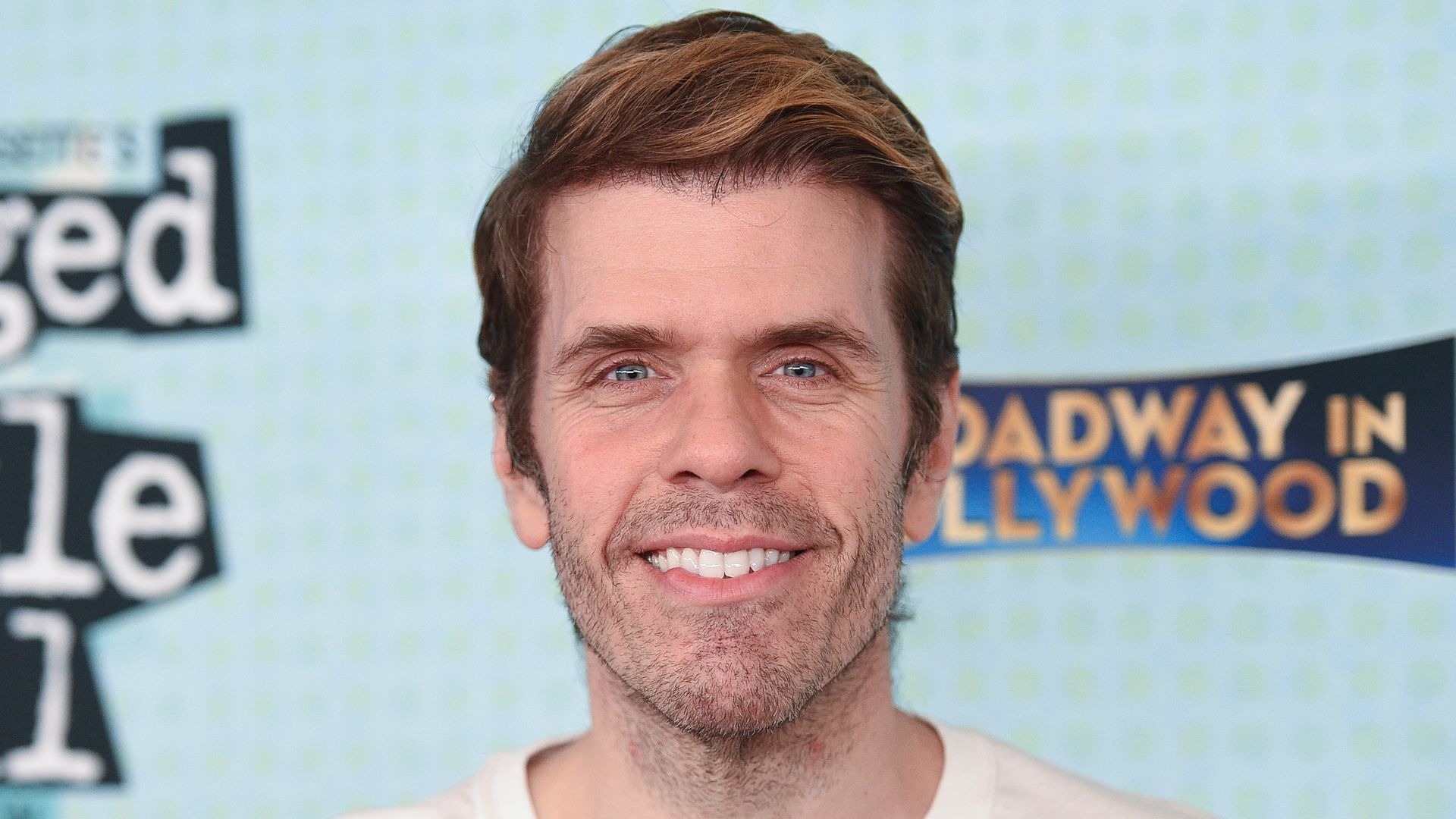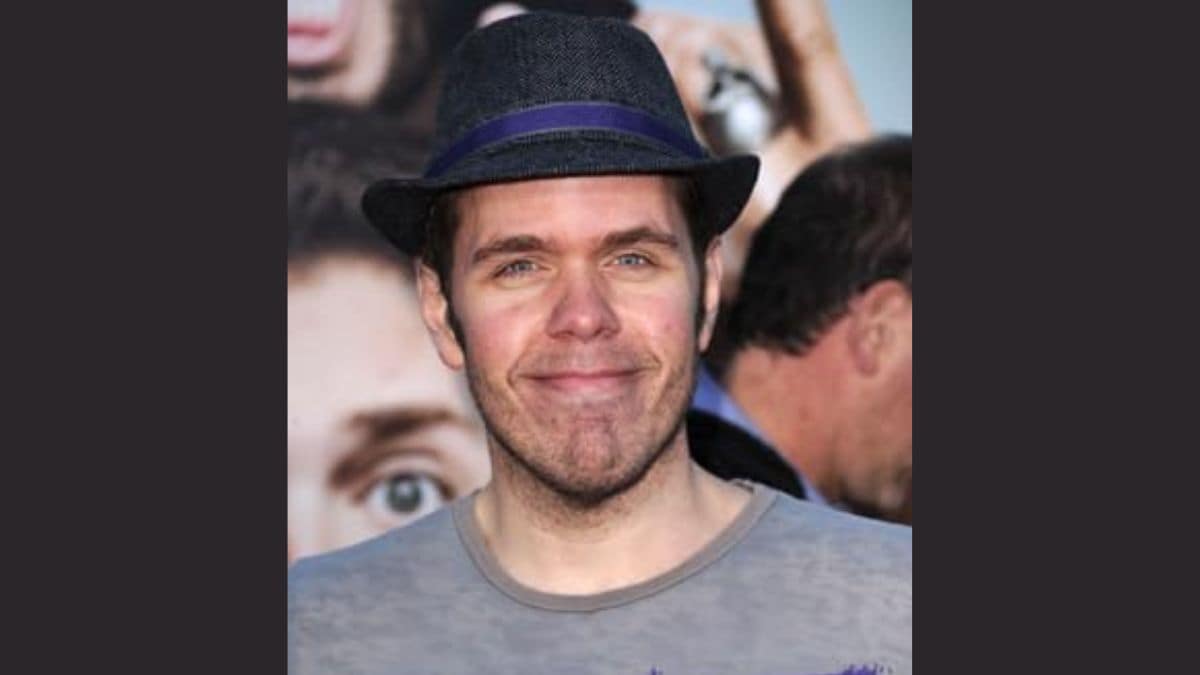
Celebrity blogger Perez Hilton was hospitalized following a deeply disturbing self-harm broadcast on TikTok, exposing the dark underside of an attention economy that rewards public self-destruction. Emergency responders rushed to his Miami residence after frantic viewers flooded emergency lines, watching the 48-year-old internet personality—whose real name is Mario Lavandeira Jr.—harm himself on camera. Law enforcement officials subsequently confirmed that deputies arrived at the scene, coordinated with family members, and utilized tactical de-escalation protocols before transporting him to a local hospital for urgent medical evaluation.
This catastrophic public breakdown did not happen in a vacuum. To understand how a pioneer of early internet gossip reached this precipice, we have to look past the immediate shock value of a viral tragedy and examine the grinding, unforgiving mechanics of legacy digital fame.
The Mechanics of a Slow Spiral
Long before short-form video algorithms dominated our screens, Hilton built an empire on cruelty. In the mid-2000s, his self-titled website thrived by mocking celebrities, drawing malicious cartoons over photographs, and ruthlessly outing stars. It was a business model fueled by schadenfreude. But internet culture evolved, and the digital landscape left behind the shock-jock gossip style that made him famous.
As revenue dried up and relevance faded, the pressure to remain visible intensified. Recent months brought a cascade of personal and financial stressors. A severe medical crisis earlier in the year—involving a perforated ulcer, extended hospitalization for sepsis, and subsequent deep vein thrombosis—racked up staggering medical bills. Friends and observers noted that the financial strain forced him into a relentless hustle mode, pushing merchandise and scrambling for algorithmic traction.
A cross-country relocation from Las Vegas to Miami with his children added emotional weight to an already unstable foundation. In recent video updates, Hilton candidly admitted to falling into heavy personal spirals, attempting to anchor himself through intensive gym routines and a sudden, vocal turn toward religious study. Yet, the architecture of modern social media demands constant performance. When your entire identity is tethered to public output, stopping is terrifying.
The Algorithm as an Enabler
Platforms like TikTok are engineered to capture attention at any cost. Engagement metrics reward emotional extremes, transforming personal mental health crises into high-performing content until human moderation or emergency intervention steps in.
When the broadcast began, thousands watched in real time. The architecture of live streaming creates a macabre theater where an individual in acute psychological distress can interact with an audience of strangers who are simultaneously horrified, morbidly curious, and helpless. By the time TikTok suspended the account, the damage to public safety and personal dignity was already absolute.
Law enforcement later explained their decision to "tactically disengage" outside the residence, citing standard crisis intervention techniques designed to prevent forced-entry escalation. While police protocols worked to secure a safe resolution, the broader digital ecosystem failed completely. There are no safety nets built into recommendation engines to flag self-harm before it achieves viral velocity.
The Price of Permanent Visibility
We are witnessing the burnout generation of internet pioneers. The people who taught the internet how to consume human drama for entertainment are now aging within the very systems they helped build.
The spectacle of a public figure unraveling on a vertical video feed forces an uncomfortable confrontation with our collective complicity. Every view, share, and morbid comment feeds the machine that keeps broken individuals performing for an invisible crowd. Behind the metrics, the hospital beds, and the police perimeters lies a simple, brutal truth: the quest for perpetual relevance eventually demands everything a person has left.