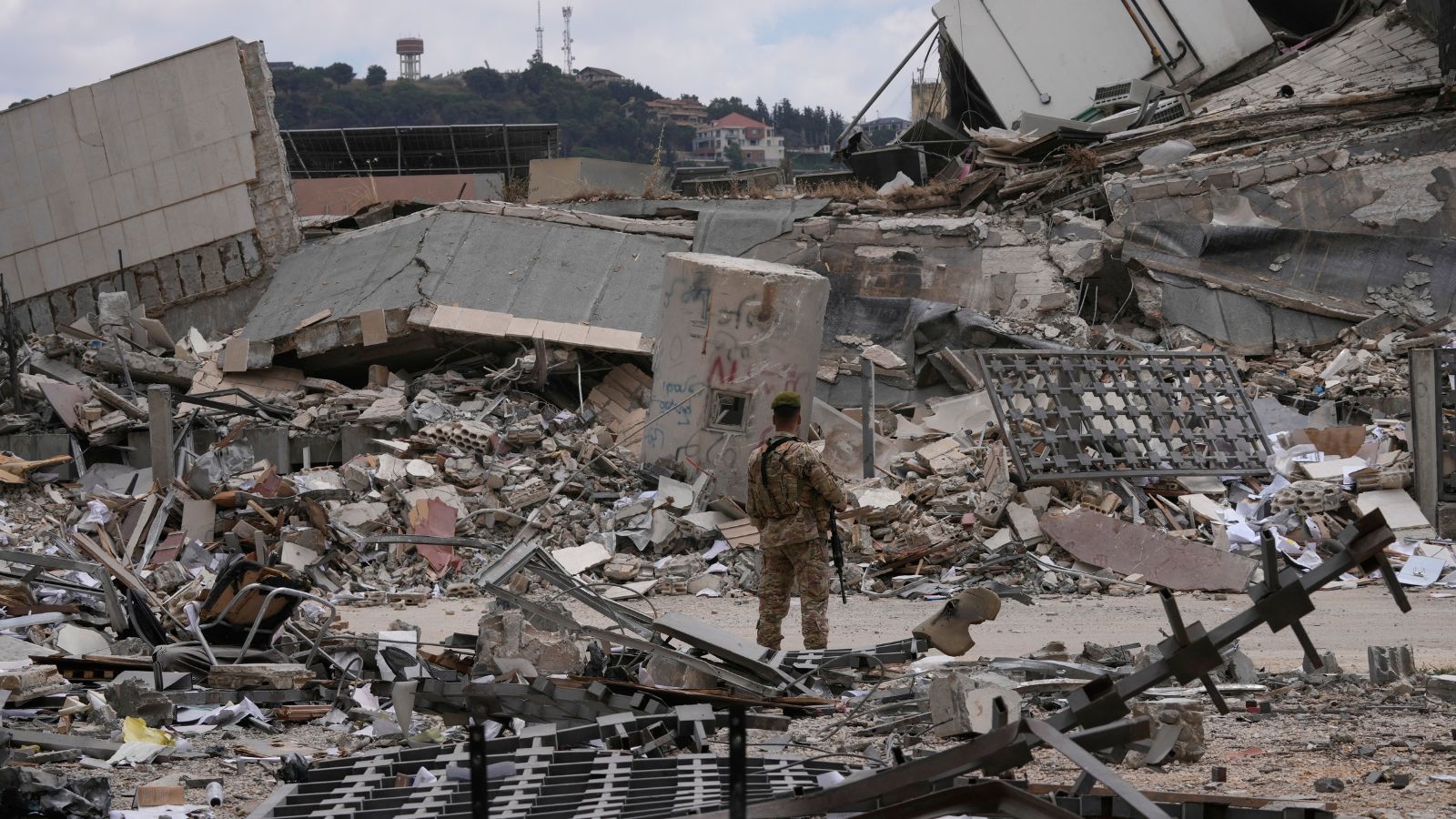
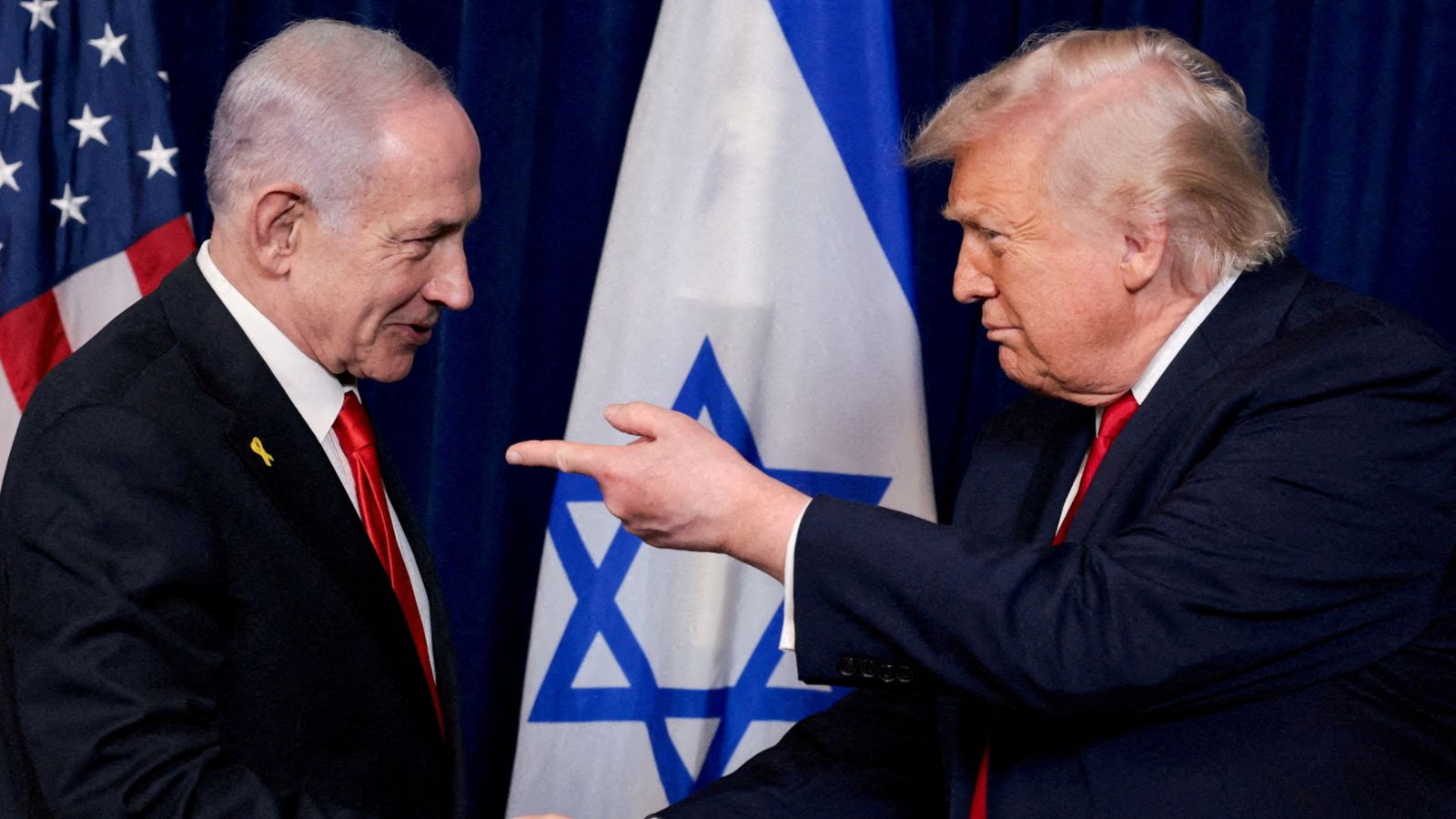
NATO Secretary-General Mark Rutte arrived at the White House on Wednesday with a singular, desperate mission: convince President Donald Trump not to dismantle the 77-year-old military alliance before next month’s Ankara summit. The public narrative frames this as a routine diplomatic check-in, a seasoned European statesman applying his famous charm to smooth over a few bumpy headlines. The reality is far more dangerous. The transatlantic alliance is facing an existential fracture over America's ongoing war with Iran, a conflict launched without European consultation that has left Washington furious at its allies and European capitals terrified of abandonment.
Rutte, widely labeled the Trump whisperer, faces an American administration that no longer views mutual defense as an absolute obligation. For decades, American presidents grumbled about European defense spending while quietly underwriting the continent's security. That era is over. The recent U.S. and Israeli actions against Iran on February 28 upended the geopolitical calculus, exposing a deep rift when several European allies denied Washington overflight rights and base access for Middle Eastern strikes. Trump viewed this refusal as a betrayal.
To understand the current emergency, one must look past the polite communiqués issued from Brussels. Last week, Defense Secretary Pete Hegseth stunned a meeting of NATO defense ministers by announcing a comprehensive six-month review of the U.S. military presence in Europe. Hegseth openly accused European nations of free-riding, explicitly linking the future of American troop deployments to whether those nations fall in line behind U.S. foreign policy objectives elsewhere.
The Transactional Reality of Modern Security
Washington has shifted from a grand strategy of collective deterrence to a crude system of transactional protection. Trump made his view explicit earlier this week, telling reporters that European allies expect American protection from Russia while refusing to assist in what he termed small potatoes operations in the Middle East. If Europe wants the American shield, Washington now demands total compliance with American sword-rattling.
This is not a theoretical debate. The Pentagon's review places thousands of American troops stationed in Germany, Poland, and the Baltic states on the chopping block. For frontline states bordering Russia, the withdrawal of a single American brigade is not a budget adjustment. It is an open invitation to aggression.
Estimated US Troop Levels in Europe Under Review
+--------------------+-----------------------+
| Country            | Approximate Personnel |
+--------------------+-----------------------+
| Germany            | 35,000                |
| Italy              | 12,000                |
| United Kingdom     | 10,000                |
| Poland             | 10,000                |
+--------------------+-----------------------+
European leaders are waking up to a reality they spent years trying to ignore. Security cannot be bought with flattery alone. While Rutte spent his Tuesday evening on Fox News praising Trump’s leadership and downplaying the denial of airspace as isolated incidents, behind closed doors, European diplomats are scrambling. They know the old playbook is failing.
The Ghost of The Hague and the Five Percent Demand
At last year’s summit in The Hague, European leaders thought they bought themselves time by caveating to American pressure. They agreed to dramatic increases in defense spending, with goals stretching up to five percent of GDP over the next decade. Trump, however, wants results immediately. He wants a coalition to help reopen the shuttered Strait of Hormuz, and he wants it now.
The friction is rooted in a fundamental disagreement over what NATO actually exists to do. European members view the alliance strictly through the lens of Article 5, the mutual defense clause designed to protect the North Atlantic area from territorial invasion. Washington, conversely, views its military commitments as a global network meant to support American power projection. When European capitals cited arcane legal frameworks to deny the U.S. the use of Ramstein Air Base for strikes in Iran, they were acting according to the letter of the North Atlantic Treaty. But Trump does not care about the letter of the treaty. He cares about loyalty.
The ongoing conflict in the Middle East has laid bare this structural flaw. European economies, already strained by energy disruptions caused by the closure of the Strait of Hormuz, are being told to pay more for their own defense while simultaneously being dragged into a secondary war they did not choose. It is an impossible political sell for leaders in Paris, Berlin, and Madrid, who face restive electorates and stagnant domestic growth.
Strategic Autonomy as an Empty Promise
For years, French President Emmanuel Macron and other continental leaders championed the idea of European strategic autonomy, a theoretical concept where Europe would develop its own independent military capabilities. The current crisis proves that autonomy was a myth. Europe remains utterly dependent on American logistics, intelligence, and nuclear deterrence.
Building an independent European defense infrastructure would take decades and trillions of euros. Europe does not have decades. It has weeks before the leaders gather in Turkey.
Consider the hypothetical example of a sudden crisis in the Suwalki Gap, the narrow strip of land connecting Poland to Lithuania. Without American satellite intelligence, heavy transport aircraft, and rapid-reinforcement capabilities, European forces would struggle to mount an effective defense within the first seventy-two hours of a conventional assault. The harsh truth is that Europe spent thirty years reaping a peace dividend, underfunding its militaries and treating defense spending as an optional line item. Now, the bill has come due all at once.
Flattery as a Defense Mechanism
Rutte’s strategy for managing the American president relies heavily on public adulation. It is a calculated, often embarrassing performance. From calling Trump paternal titles at previous summits to sending fawning text messages that Trump promptly posts to social media, the NATO Secretary-General has debased the traditional dignity of his office to keep America at the table.
This diplomatic theater has a shelf life. It works during moments of calm, but it shatters when confronted with real-world geopolitical shocks like the Iran conflict. Trump’s erratic behavior, which included a bizarre threat last year to annex Greenland from Denmark, suggests that no amount of personal flattery can permanently stabilize American foreign policy.
The defense ministers who sat through Hegseth’s lecture in Brussels came away with a distinct impression. The United States is actively looking for an excuse to downsize its commitments. The six-month review is not an intellectual exercise; it is the administrative preparation for a drawdown.
The Ankara Summit Cliff
When leaders arrive in Ankara this July, they will not be celebrating alliance unity. They will be participating in a high-stakes auction. Rutte is expected to present new, massive defense spending numbers from European capitals in an attempt to mollify the American delegation, but figures on a spreadsheet will not reopen the Strait of Hormuz.
The alliance is entering an era where its core premise is broken. The belief that an attack on one is an attack on all only functions if the adversary believes the United States will actually show up to fight. By publicly threatening to abandon allies who do not support American operations in the Middle East, Trump has already weakened that deterrence. The damage is done, regardless of what kind of joint statement Rutte manages to extract from the Oval Office this week.
Europe's leaders can no longer hide behind the soothing rhetoric of transatlantic solidarity. They are dealing with a Washington that views them not as historic partners, but as ungrateful dependents. If the Ankara summit ends in a public blowout, the global security architecture established after World War II will begin to unspool in real time, leaving a fragmented Europe to face its security threats entirely alone.