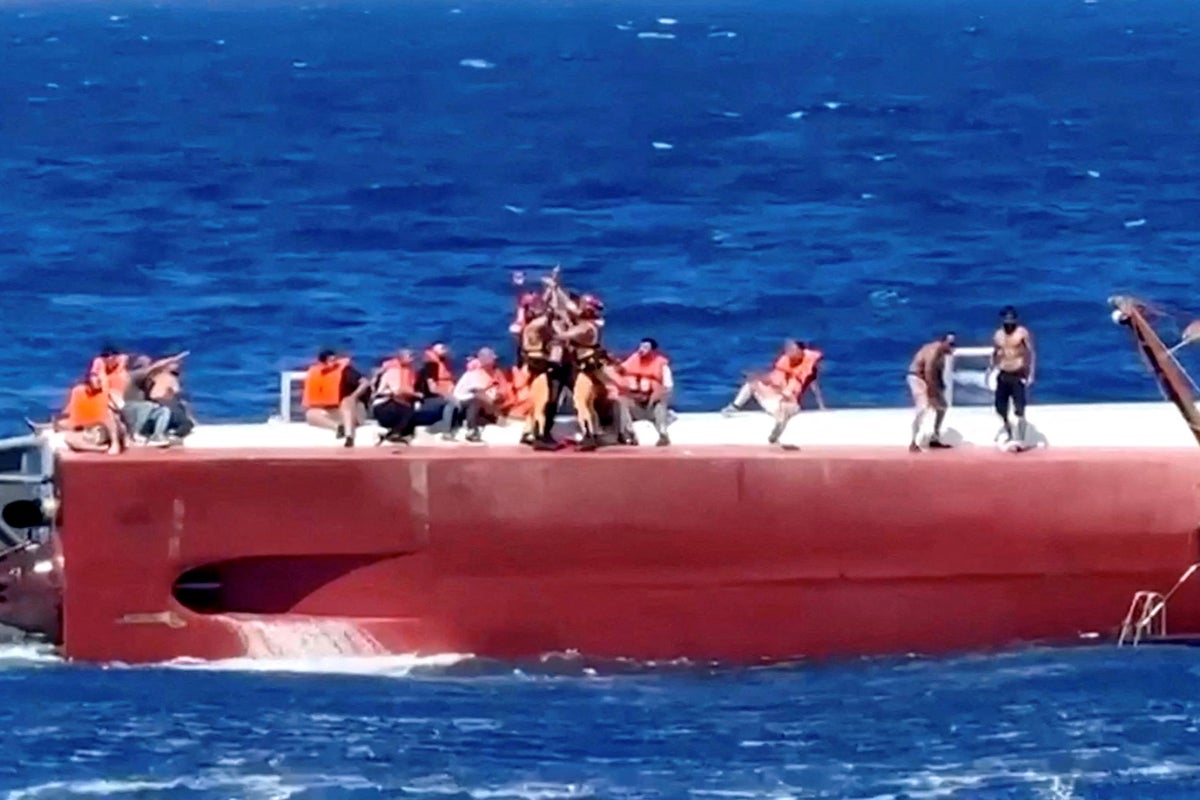
At least eight people are dead and several remain missing after the passenger ferry FILOJET capsized and sank off the northern coast of Cyprus, descending more than 1,600 feet to the Mediterranean seabed. The disaster, which unfolded shortly after departure from the port of Kyrenia bound for Taşucu in Turkey, has triggered immediate legal retaliation. Local authorities swiftly placed the captain and seven crew members into custody amid allegations of negligence and premature abandonment of the vessel. Yet, reducing this catastrophe to individual crew failure ignores systemic vulnerabilities in regional maritime transit routes that have persisted for decades.
The Anatomy of a Routine Crossing Turned Lethal
Maritime transit between Northern Cyprus and the Turkish mainland is treated by travelers as an ordinary bus ride across water. Thousands of passengers rely on these shuttle services weekly, moving across a heavily militarized and diplomatically isolated stretch of sea. On paper, regulations exist. In practice, enforcement across a breakaway territory recognized only by Ankara creates regulatory gray zones.
Survivors of the FILOJET disaster described a harrowing sequence of events that began almost immediately after clearing the harbor. Passengers recounted violent slamming motions, severe structural shaking, and an erratic ride as the twin-hulled catamaran battled residual swells. Within minutes, according to eyewitness testimony, structural integrity at the bow failed under the stress, allowing thousands of tons of water to compromise buoyancy.
Maritime safety experts point out that high-speed catamarans demand rigorous weight distribution and strict adherence to wave-height operational limits. When economic pressures push operators to maintain tight schedules despite deteriorating environmental factors, safety margins evaporate.
Accountability and the Limits of Custody
Detaining a ship captain and crew provides immediate political optics for a government facing intense public fury. Prime Minister Ünal Üstel announced that the judicial inquiry will probe every potential lapse. However, criminalizing crew behavior often serves as a convenient smokescreen for institutional oversight failures.
If a vessel was permitted to leave port while improperly loaded, or if maritime authorities ignored warnings regarding structural fatigue, blaming the individuals at the helm shifts responsibility away from corporate balance sheets and lax port inspections. Witnesses alleged that certain crew members prioritized their own survival over passenger evacuation protocols. If proven, that represents an ethical breach of the highest order. Even so, focusing exclusively on human error obscures the commercial pressures that incentivize cutting corners on vessel maintenance.
The Geopolitical Blind Spot in Regional Transit
Operating passenger lines from a de facto state introduces unique logistical hazards. Because the self-proclaimed Turkish Republic of Northern Cyprus lacks international recognition, global maritime bodies like the International Maritime Organization do not perform direct, routine safety audits on local domestic operators in the same manner they monitor internationally recognized flagged vessels.
This diplomatic isolation fosters an environment where oversight relies entirely on bilateral coordination with Turkey. When storms batter the eastern Mediterranean, as they did violently the day prior to the sinking, the pressure to keep commercial lifelines open between Kyrenia and southern Turkish ports remains immense. Communities on both sides depend entirely on these ferries for commerce, medical transit, and family visits.
Emergency response infrastructure also bore the strain of the crisis. While rescue coordination eventually deployed multiple coast guard vessels and helicopters from both local authorities and Turkey, the initial minutes of the disaster exposed the chaotic reality of maritime rescue operations in contested waters. Families waiting outside Kyrenia port gates found themselves starved of timely information, highlighting communication breakdowns between emergency command centers and desperate relatives.
As recovery teams continue scouring the deep waters off the northern coast, the fundamental question remains whether this tragedy will force a permanent overhaul of maritime compliance standards in the region or simply result in scapegoating the downstream actors while business resumes as usual.