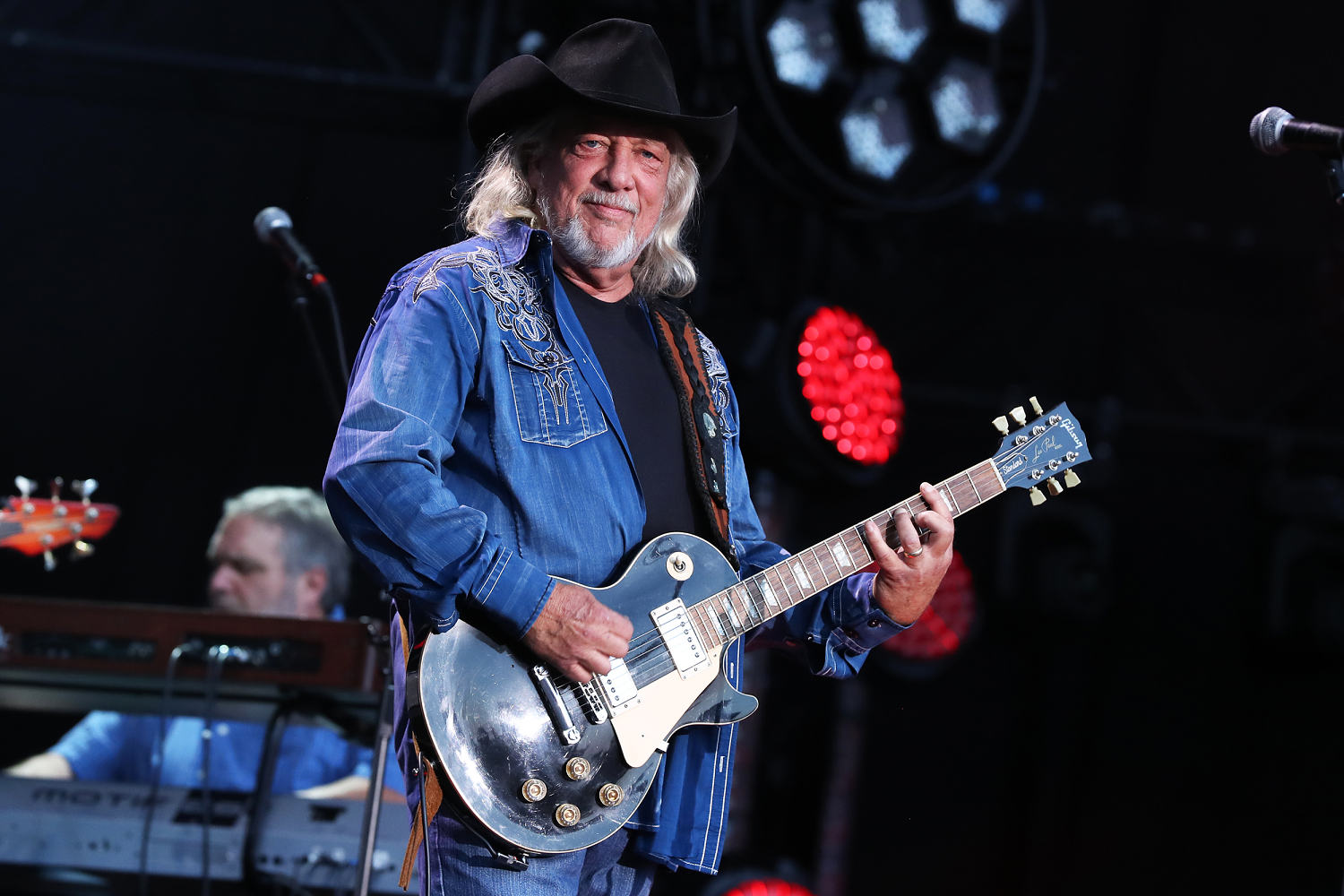
Country music lost a genuine original on October 21, 2026, when John Anderson died at age 71 in Smithville, Tennessee, leaving behind the unmistakable vocal grain that turned "Seminole Wind" and five chart-toppers into lasting staples. Most obituaries will stop at the tidy headline numbers: five number-one singles, a 1983 CMA Single of the Year trophy for "Swingin'," a 2024 induction into the Country Music Hall of Fame, and a second wave of commercial success in the early 1990s. That surface reading misses how difficult it actually was for a twangy Florida kid to survive four decades inside an industry built on short shelf lives and shifting radio formats.
Anderson's career mattered because he refused to sand down his edges when Nashville wanted polish, and he refused to disappear when radio moved on. He arrived in Tennessee after high school graduation in 1972, worked construction—including roofing on the Grand Ole Opry House—and played nightclubs while learning the mechanics of a town that rarely hands out second chances.
How a Backwoods Voice Resisted Two Eras of Nashville Groupthink
Anyone who has watched country radio for thirty-five years knows the pattern. When a style gets hot, executives scramble to clone the sound until every song on the dial shares the same tempo, drum loop, and vocal inflection.
Anderson broke that mold twice. In the late 1970s and early 1980s, pop-leaning country and lush studio arrangements crowded the airwaves. Anderson leaned into a nasal, southern-fried delivery shaped by George Jones and Merle Haggard, paired with sharp humor and honky-tonk grit on songs like "1959," "Chicken Truck," and "Swingin'". He did not sound like a committee meeting. He sounded like someone standing at the end of a bar with a story worth hearing.
Industry Reality Check: Traditionalist credibility buys respect among peers, not automatic airplay once programming trends turn elsewhere.
By the mid-to-late 1980s, Anderson experienced what happens to many artists whose signature sound is tied to a specific wave: chart momentum cooled, label shifts accumulated, and younger acts claimed the spotlight. Plenty of singers with five number-one records quietly fade into nostalgia circuit regulars after a slump like that.
Anderson clawed back into the top tier in the early 1990s with Seminole Wind and Solid Ground, scoring major hits with "Straight Tequila Night," "Seminole Wind," and "Money in the Bank". That comeback was no accident of timing alone. He had the vocal authority to carry both lighthearted barroom anthems and weightier material without sounding like a guest star in his own catalog.
Why Seminole Wind Outlived the Nineties Chart Cycle
Plenty of 1992 country singles sounded great on a cassette deck and vanished by the next spring. "Seminole Wind" took a different path, climbing to number two on the U.S. country chart and holding onto cultural weight decades later—even earning designation as Florida's official state anthem following Anderson's death.
What made the song stick wasn't novelty. It was tension.
Musically, the track pairs an urgent, driving pulse with eerie, reflective motifs that evoke Lake Okeechobee, Micanopy, the sawgrass, and the legacy of the Seminole people. Lyrically, it connects historical extraction—digging for silver and gold, draining wetlands—to a present-day reckoning with what gets lost when short-term profit runs unchecked.
Consider a hypothetical example of how a lesser singer might have handled those same lyrics. If an artist delivered that material with heavy-handed lecturing or operatic drama, listeners would tune out halfway through the first chorus. Anderson sang with steady conviction rather than finger-wagging, letting the imagery and rhythm do the heavy lifting.
Covers across generations reinforced that durability. From folk and rock-adjacent interpreters to younger country stars on his tribute project Something Borrowed, Something New, songwriters and performers kept returning to "Seminole Wind" because the melody and moral core held up outside country radio's narrowest lanes.
| Career Phase | Defining Work or Milestone | Industry Takeaway |
|---|---|---|
| 1970s–Early 1980s | "I've Got a Feelin'," "1959," "Swingin'" | Unvarnished traditionalism cut through slick studio trends |
| Early 1990s Resurgence | Seminole Wind, "Straight Tequila Night," "Money in the Bank" | Distinct vocal identity enabled a rare second-wave peak |
| 2010s–2020s | Years (2020), Nashville Songwriters & Country Music Hall of Fame | Late-career collaborators and peers treated him as a foundational stylist |
The Quiet Cost of Longevity Behind the Curtain
Glamorous retrospectives love a triumphant arc, yet long careers in music almost always involve physical wear, quiet setbacks, and unglamorous stretches far from awards shows.
Anderson spoke candidly in recent years about surviving severe illness—including near-total hearing loss around 2020—before returning to the stage and recording Years with producers David Ferguson and Dan Auerbach. For a singer whose livelihood depends on pitch, phrasing, and spatial awareness in a room, losing one's hearing is an existential threat. Coming back from that and stepping onto stages again spoke to sheer stubbornness rather than effortless luck.
Even his final days carried a poignant symmetry. He passed away on October 21, 2026, just three days after attending the Country Music Hall of Fame medallion ceremony in Nashville celebrating Tim McGraw, The Stanley Brothers, and frequent songwriting collaborator Paul Overstreet. No cause of death was publicly announced, and his family shared the loss in a statement emphasizing his role as a husband, father, grandfather, and family anchor.
There is a gray area worth acknowledging in how Nashville celebrates legends like Anderson. Institutions often honor traditional stylists most warmly after the highest-stakes commercial battles have passed—a pattern visible in how his Hall of Fame induction arrived in 2024, decades after his biggest chart peaks. Recognition is welcome, of course, yet it rarely corrects the years when radio programmers treated classic vocalists as afterthoughts.
What Younger Artists Miss When They Copy the Surface
Every few years, a new wave of country singers discovers John Anderson's phrasing and tries to bottle the twang. Most miss the point.
- Character beats imitation: You can copy a vowel shape or a rhythmic bounce, but audiences spot borrowed mannerisms fast if the underlying point of view isn't lived-in.
- Range isn't just vocal gymnastics: Anderson showed range by moving effortlessly between witty storytelling, dance-floor hooks, and sobering reflection without losing his voice's center of gravity.
- Catalog outlasts formats: Trends in country streaming and radio rotate constantly, while songs with real place, craft, and emotional honesty keep finding new listeners years later.
Listen closely to "Seminole Wind" or "Swingin'" again—not for nostalgia's sake, but to hear what happens when a singer trusts a great song enough to let his own unmistakable voice carry every line.
John Anderson singing Seminole Wind live shows Anderson's live phrasing and delivery on one of his signature songs in a stripped-down broadcast setting.