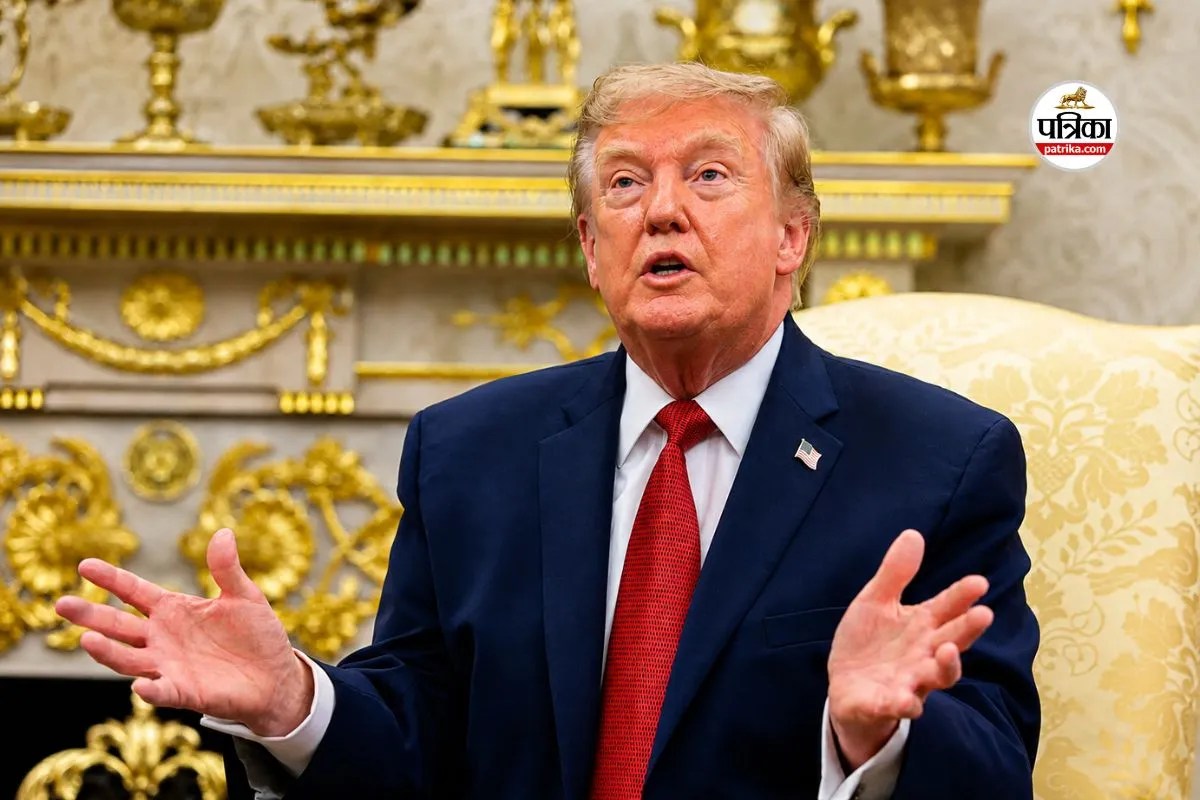
The Iranian rial has broken past the threshold of two million to a single US dollar, dragging a nation of nearly ninety million people into an unprecedented monetary spiral. While headlines in Washington focus on presidential declarations and broad threats of absolute commercial isolation, the reality on the ground inside Tehran, Isfahan, and Tabriz is an unrelenting daily erosion of human survival. Inflation metrics place point-to-point food cost increases well into triple digits, turning basic staples into luxury items for a population whose wages remain frozen far behind the cost of living. This structural freefall is no longer merely a byproduct of diplomatic friction. It is the calculated target of an intensified western economic campaign designed to squeeze the Islamic Republic until its state machinery completely breaks.
Decades of heavy sanctions established the baseline for Iran’s vulnerability, but the compounding shocks of recent regional military escalations have accelerated the descent. Oil shipments, which traditionally anchored the country's foreign exchange earnings, have cratered due to strict maritime blockades and strict enforcement pipelines. Central bank officials in Tehran continue to reject labels of hyperinflation in official broadcasts, yet ordinary citizens navigating local markets witness empty shelves and prices rewriting themselves by the hour. When a month's minimum wage covers only a fraction of basic household expenses, the social contract between the state and its working class disintegrates entirely.
The strategy emanating from the White House aims to exploit this exact structural weakness. Rather than relying solely on direct military engagements, western policy has pivoted toward what architects of the financial embargo term an economic offensive. Secondary penalties target any international entity, front company, or financial institution attempting to keep a lifeline open for Iranian trade. Secondary powers like China, which historically absorbed the lion's share of Iranian crude exports, find themselves caught in a high-stakes web of compliance pressure. The objective is simple. Cut off the remaining arterial routes of cash flow, force domestic liquidity into terminal expansion, and let internal pressure achieve what external force could not fully secure.
Yet historical precedent in the region suggests that economic suffering rarely translates into predictable political outcomes. Hardline factions within the Iranian security apparatus have responded to external threats by tightening internal controls, deploying heavy security infrastructure to urban centers, and suppressing dissent with uncompromising force. Protests fueled by economic desperation are met with rapid crackdowns, while state media channels frame the financial crisis entirely as an act of foreign aggression designed to subjugate the nation.
At the same time, regional neighbors watch the confrontation with growing anxiety. Gulf states, acutely aware that an economically cornered Tehran retains asymmetric capabilities to disrupt critical maritime chokepoints like the Strait of Hormuz, fear the spillover effects of a total state collapse. The calculus in regional capitals differs sharply from the optimism expressed by western policymakers. A collapsing economy does not automatically yield a compliant government; instead, it risks turning a volatile state into an unpredictable actor with little left to lose.
As currency values plummet further and the margin for ordinary survival narrows to the vanishing point, the standoff enters a more dangerous phase. Washington remains in no rush to resume formal diplomatic channels, betting that absolute financial deprivation will force Tehran to capitulate on regional proxies, missile development, and nuclear enrichment. Meanwhile, inside Iran, families calculate their daily survival against an exchange rate that devalues their labor before the sun sets, trapped between a rigid domestic authority and an external strategy built on their collective exhaustion


