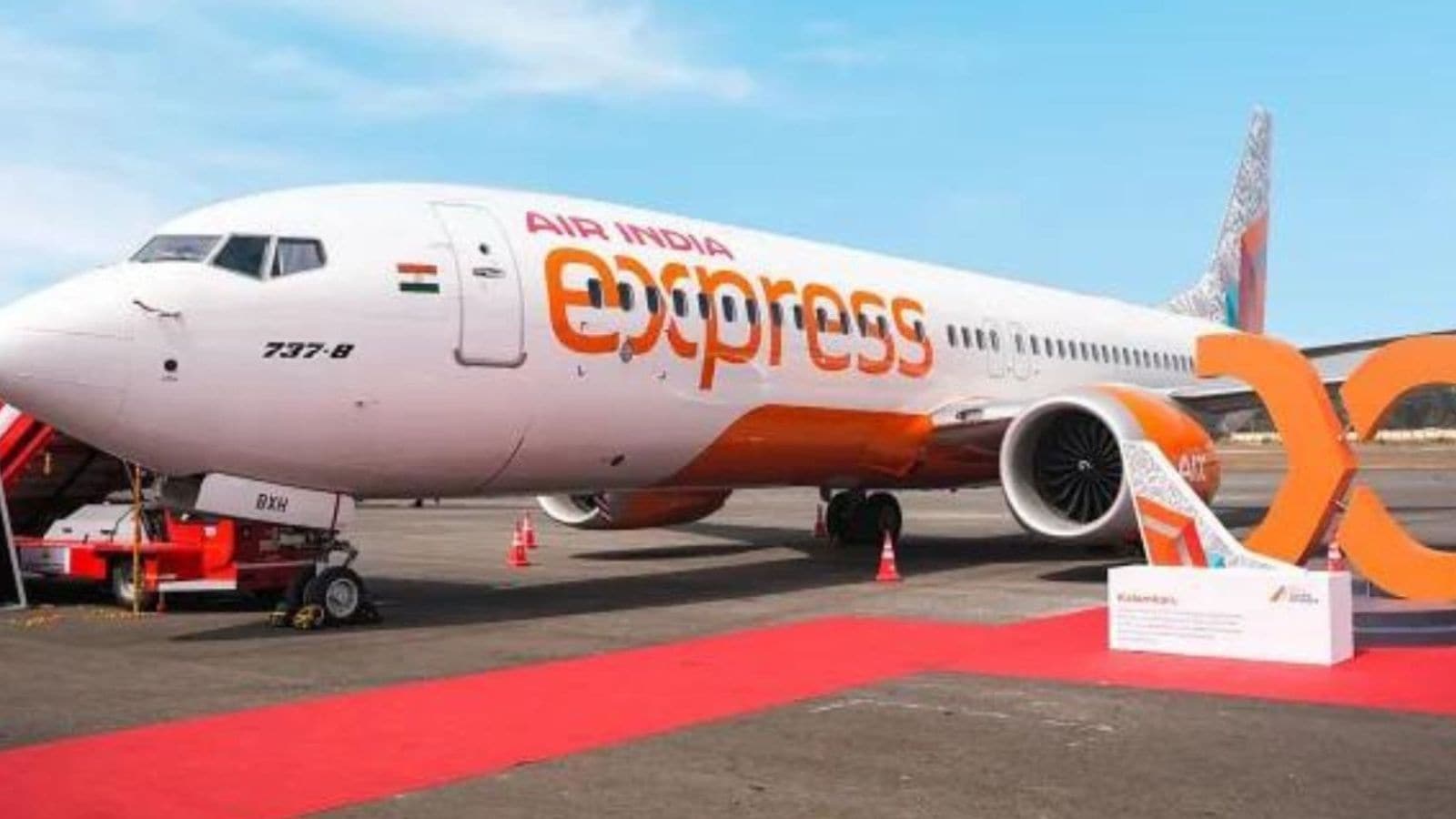
Air India and IndiGo have issued urgent travel alerts for April 4 as the conflict in Iran enters its 36th day, forcing flyers to the United Arab Emirates and Qatar to brace for severe delays and flight cancellations. Air India, alongside its subsidiary Air India Express, announced it will operate 42 scheduled and non-scheduled flights to and from the region, heavily dependent on regulatory green lights and fluid airport slot availability. IndiGo issued a parallel advisory confirming only select operations and warning passengers to verify their flight status before leaving for the airport. For the millions of corporate travelers and diaspora moving between India and the Gulf, getting to the airport has suddenly become the easiest part of the journey. The real challenge is whether the aircraft will take off at all.
What the public reads in sanitized corporate travel advisories is only a fraction of the story. Beneath the surface of these alerts lies a massive, highly complex logistical nightmare that is actively redrawing the maps of global aviation.
The Myth of Business as Usual
Airlines hate to use the word "crisis" in customer communications. They prefer terms like "phased restoration" or "scheduled operations subject to conditions." It projects a sense of control. But speak to any veteran flight dispatcher or network planner behind closed doors, and they will tell you that operating in the Middle East right now is an exercise in controlled chaos.
The core premise of modern commercial aviation relies on predictability. You have a departure slot, a rigid flight plan, and a calculated fuel load. The war has shattered that predictability.
When a major airspace corridor shuts down, airlines do not just take a minor detour. They must calculate weight restrictions because carrying more fuel to bypass conflict zones means leaving cargo or passengers behind. They must negotiate new corridors with neighboring countries that are suddenly flooded with traffic. A flight that previously took three hours can quickly stretch into a five-hour endurance test for both the crew and the airline's profit margins.
The Massive Logistics Squeeze
Take a look at the actual mechanics of what happens when airlines like Air India and IndiGo attempt to run these limited schedules.
The primary hurdle is crew duty time limitations. Safety regulators strictly dictate how many hours a pilot and cabin crew can work in a single stretch. Under normal circumstances, a quick turn from Mumbai to Dubai and back fits perfectly within a standard duty period. But when aircraft are forced to hold in the air, wait for hours on the tarmac for clearance, or take massive physical detours around contested skies, crews legally "time out."
A grounded crew in a foreign station creates a domino effect. There are not enough reserve pilots sitting in hotel rooms in Doha or Abu Dhabi to cover for every timed-out crew. When one flight is delayed by four hours, three subsequent flights the next day might be canceled simply because the pilots have not had their legally mandated rest.
Furthermore, the physical infrastructure of the Gulf hubs is under immense strain. Airports like Dubai International and Doha's Hamad International are designed as massive, high-efficiency transit machines. They rely on waves of aircraft arriving and departing in perfect harmony. When those waves clash due to unpredictable airspace closures, ground handling crews, fueling networks, and gate allocations get pushed to the breaking point.
The Geopolitical Chessboard in the Skies
While airlines issue standard warnings about checking flight statuses, a much larger battle is being fought at 35,000 feet. The conflict has essentially severed some of the most lucrative air corridors in the world.
For decades, the physical geography of the Middle East served as the ultimate bridge between East and West. European and American carriers have long looked on with a mix of awe and frustration as Gulf megacarriers turned the region into the center of the aviation universe. Now, that geographic advantage has become a massive liability.
Western airlines are already attempting to capitalize on this vulnerability. Legacy carriers in Europe are aggressively adding capacity to direct routes connecting Asia and North America, attempting to claw back the market share they lost to the Gulf hubs over the last twenty years. They are betting that corporate travelers will pay a premium for a direct flight that avoids the region entirely, rather than risking a stranded connection in a high-tension zone.
The Indian carriers find themselves in a unique, highly uncomfortable position. They cannot simply abandon the Gulf market. The economic and cultural ties between India and the Gulf states are massive. Millions of blue-collar workers, white-collar executives, and families rely on these specific city pairs.
So, the airlines push forward. They operate ad-hoc repatriation flights and file daily, heavily modified flight plans. It is a grueling, expensive game of survival.
The Hard Reality for the Flyer
If you are holding a ticket to Dubai, Doha, or any major Gulf hub, the advice to "check your flight status" is valid, but it does not go far enough. You need to understand the structural reality of the airline you are flying.
Budget carriers operate on razor-thin turnaround margins. Their aircraft are scheduled to fly multiple sectors a day with very little buffer time. If you are flying a low-cost carrier, a disruption early in the day is highly likely to cancel your evening flight. Full-service legacy carriers have slightly more operational fat to chew on, but even they are reaching their limits.
Do not expect ticket prices to remain stable either. Even though regulators are monitoring sudden airfare spikes, the pure economic cost of burning more fuel and paying crew overtime will eventually be passed down to the traveler. The era of the ultra-cheap, highly convenient Gulf transit is, for the foreseeable future, on ice.
Airlines are doing everything they can to keep the metal moving, but they are fighting against physics, international law, and active military operations. The real story isn't that flights are being disrupted. The real story is that, against all operational logic, flights are still taking off at all.
Would you like me to look up the specific cancellation policies or waiver guidelines currently being offered by Air India and IndiGo for these affected routes?