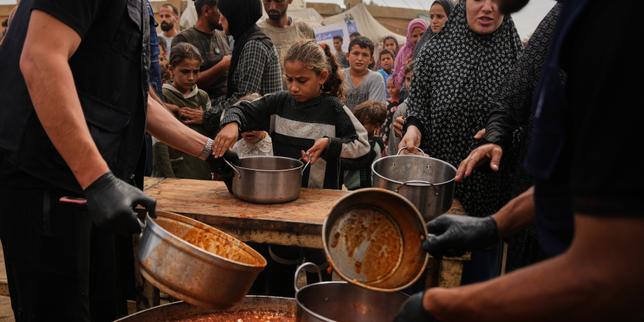
Funding shortfalls at the World Food Programme have forced a steep contraction in food aid across Gaza, dropping monthly assistance from roughly 1.6 million people to 1.1 million starting in October 2026. Half a million people lost direct support overnight, ration boxes were cut in half, smaller sacks of wheat flour replaced larger ones, and hot meal output fell from 250,000 a day to 150,000—often delivered only every other day in harder-to-reach zones.
Anyone who has covered humanitarian logistics for twenty years knows a grim truth. Headlines routinely blame "aid cuts" as if a checkbook simply snapped shut in Geneva or Rome. In reality, a collapse of this magnitude is never just an accounting error. It is the collision of donor fatigue after a nominal ceasefire, sweeping shifts in foreign assistance budgets—including the dismantling of major bilateral channels like USAID—and an economy so hollowed out that food parcels have become a substitute for wages, markets, and local harvests. Meanwhile, you can explore other events here: Why Telling Valencia Residents to Stay Home Isn't Enough When Floods Hit.
Roughly two-thirds of Gaza's population, around 1.4 million people out of roughly 2.1 million residents, still face acute food insecurity. Another 200,000 sit in emergency conditions one step away from famine. When relief agencies ration calories right as winter sets in, the gap between what people need to survive and what international donors are willing to finance widens into a direct threat to life.
Why Money Dried Up After the Headlines Faded
Emergencies run on attention cycles. When famine was formally declared in the summer of 2025 and television screens filled with desperate queues, governments opened emergency coffers. Once an October 2025 ceasefire took hold and massive aid shipments eased the worst acute starvation, diplomatic urgency cooled. To explore the full picture, we recommend the detailed article by NBC News.
Humanitarian budgets rarely work that way in reverse. A ceasefire does not rebuild a collapsed economy in a few months. UN reporting shows Gaza's gross domestic product in 2025 fell 84 percent below its 2023 level, while unemployment sits above 80 percent. Families without paychecks cannot buy bread, vegetables, or protein even when goods trickle into local stalls.
Aid agencies are trying to run a long-term survival lifeline on short-term emergency goodwill that has already moved on to other crises.
At the same time, major donor capitals have faced tighter domestic budgets and political realignments over foreign aid. The World Food Programme has reported receiving less than half the funding for its Palestine operations in 2026 compared with prior years, leaving a $450 million shortfall to sustain critical operations in Gaza and the West Bank from October 2026 through March 2027. That is not a minor trim around the edges. That is a structural deficit that forces triage among people who are already hanging by a thread.
Inside the Ration Arithmetic
Numbers in press releases sound abstract until you translate them into a cooking pot. Dropping from two food parcels to one, shrinking a sack of wheat flour, and trimming cash stipends for 75,000 families changes daily survival math for every household.
Smaller Portions, Longer Gaps
A single food parcel stretches fewer days, forcing parents to ration staples or skip meals so younger children get something to eat. When hot meals drop from 250,000 a day to 150,000—and shift to every other day for families living near Israeli military control lines or hard-to-reach pockets—displaced people without cooking fuel or intact stoves lose a predictable daily anchor.
Cash assistance faces its own squeeze. Even when stipends arrive, volatile prices and scarce supplies limit how far a shrunken allowance goes. A family of seven relying on modest cash and staples has almost no cushion when prices spike or a distribution cycle slips.
What Still Holds Together
Not every lifeline has snapped completely. The World Food Programme has prioritized keeping bakeries running that supply roughly one-third of Gaza's bread needs, alongside targeted nutrition support for 300,000 women and children and school snacks for 200,000 children.
Those remaining programs matter enormously. Only about one in five children in Gaza consumes a sufficiently diverse diet, and UNICEF data shows roughly one in eight children suffers from chronic malnutrition or stunting. Protecting nutrition for pregnant mothers, infants, and school-age children is one of the few defenses against permanent developmental harm. Yet keeping those narrow programs alive while cutting half a million people from broader support shows how severe the cash crunch has become.
| Assistance Channel | What Changed | Why It Hurts on the Ground |
|---|---|---|
| Monthly Reach | Cut from roughly 1.6 million people to 1.1 million starting October 2026 | Half a million vulnerable people lose direct monthly food and cash backing |
| Food Parcels & Flour | Halved from two parcels to one; smaller wheat flour sacks | Households run out of core staples faster between distributions |
| Hot Meals | Reduced from 250,000 to 150,000 daily; every other day in harder-to-reach areas | Families without fuel or kitchens face days with fewer cooked meals |
| Cash Assistance | Value reduced across 75,000 families | Less purchasing power in fragile markets where unemployment exceeds 80 percent |
The Trap of Perpetual Handouts
Ask any seasoned aid worker what happens when emergency food drops become a semi-permanent fixture for years rather than weeks, and you will hear warnings about dependency. Yet calling dependency a choice by Gazan families gets the cause backward.
Before the war, Gaza produced much of its own fruits and vegetables, supported by greenhouses, wells, and irrigation networks, while coastal waters supplied vital protein. Much of that farmland sits under military control or lies ruined, greenhouses and irrigation systems have been destroyed, and maritime restrictions block fishing boats from coastal waters. You cannot farm soil you cannot reach or irrigate, and you cannot catch fish from shore when boats cannot go out.
Here is the counter-intuitive reality that makes the funding crisis doubly dangerous. Food aid alone cannot fix an economy where 80 percent of adults are out of work and reconstruction needs over ten years are estimated at $71.4 billion. At the same time, abruptly cutting food aid while local food production and jobs remain blocked does not create self-reliance. It creates hunger.
Consider a hypothetical example of a displaced household in a coastal tent camp. If a family of six loses half its ration support and has no earned income, it cannot suddenly open a workshop or plant a field. Instead, adults cut their own intake to stretch flour for children, trade scarce items just to buy firewood or repair torn tarps against winter wind and rain, and grow more vulnerable to illness when sanitation and clean water are already scarce.
Winter Weather and Ripple Effects Beyond Gaza
Timing makes every logistical mistake harsher. Cutting food rations and shelter support as winter rains and cold winds arrive turns marginal living conditions into acute exposure. Families living in worn tents or damaged concrete shells face dampness, respiratory illnesses, and higher energy costs just to stay warm.
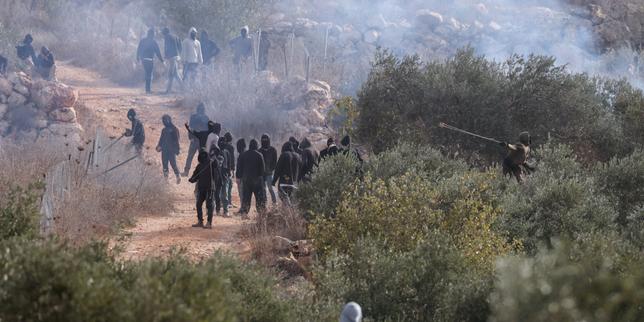
The strain is not isolated to Gaza either. In the occupied West Bank, the World Food Programme cut beneficiaries in half—from 400,000 to 200,000—in September 2026 amid tightening funds, even as food insecurity there has climbed and clashes, land clearing, and olive harvest disruptions have battered rural livelihoods. Across both territories, shrinking aid budgets collide with fragile local markets and rising desperation.
What Has to Change Before Hunger Surges Again
Throwing money into a bottomless pit without economic recovery is unsustainable, as humanitarian leaders themselves have acknowledged. Equally reckless is starving a pipeline during a fragile truce and acting surprised when acute malnutrition rebounds.
A realistic response requires two tracks moving together rather than one being abandoned for the other:
- Bridge the immediate funding gap: Donors that stepped up during peak crisis coverage need multi-month commitments to cover basic rations, bakeries, and child nutrition through winter so emergency conditions do not slide back into famine.
- Unlock local food and economic activity: Allowing essential repair materials, easing restrictions on remaining farmland and fishing access where security arrangements permit, and supporting local markets are the only ways to shrink aid dependency over time.
Until those two tracks connect, every budget cut in a distant capital will be paid for in smaller sacks of flour, colder tents, and empty plates across Gaza.