Israel has formally communicated serious security objections to the White House regarding the newly announced framework for Hamas disarmament, threatening to stall the fragile multilateral peace architecture.
Behind closed doors in Tel Aviv and Washington, intelligence chiefs and diplomatic envoys are grappling with a profound structural contradiction. The United States-backed transition plan relies on phased sequencing, where Israel withdraws its forces incrementally as militant factions surrender their heavy weaponry and dismantle tunnel networks.
Israeli officials argue that this sequencing creates an unacceptable security vacuum. Prime Minister Benjamin Netanyahu’s administration insists that the Israel Defense Forces will maintain control over strategic corridors until physical, verifiable demilitarization occurs. Nothing short of total structural disarmament satisfies Jerusalem's baseline requirements.
The Verification Trap
At the heart of the diplomatic gridlock lies a fundamental disagreement over verification mechanics and timelines. Washington's twenty-point framework envisions an international stabilization force working alongside a newly formed Palestinian technocratic administration. This body is designed to absorb local policing duties and oversee civic administration.
However, intelligence assessments shared with international mediators highlight deep skepticism regarding who actually holds the keys to the armories.
- Local policing units transitioning under the technocratic committee do not automatically include core militant cadres.
- Heavy weaponry, advanced rocketry, and underground subterranean infrastructure are designated for decommissioning in later phases.
- Timelines stretching across hundreds of days allow ample room for strategic regrouping.
Israel's intelligence apparatus maintains that Hamas views disarmament as a tactical pause rather than an ideological surrender. Experience from previous conflicts demonstrates that underground manufacturing capabilities can be masked behind civilian infrastructure fronts.
Regional Friction Points
Complicating matters further are deep disagreements over external oversight. Diplomatic sources indicate that Israeli negotiators have raised sharp objections regarding the inclusion of specific regional actors in the verification and monitoring architecture.
Trust remains scarce. While Washington credits regional powers like Turkey and Qatar with helping coax militant leadership toward accepting the framework in principle, Israeli security strategists view certain mediators as politically aligned with Hamas.
Allowing states with sympathetic ties to militant networks a role in verifying compliance is treated in Jerusalem as an operational hazard.
The Ground Reality
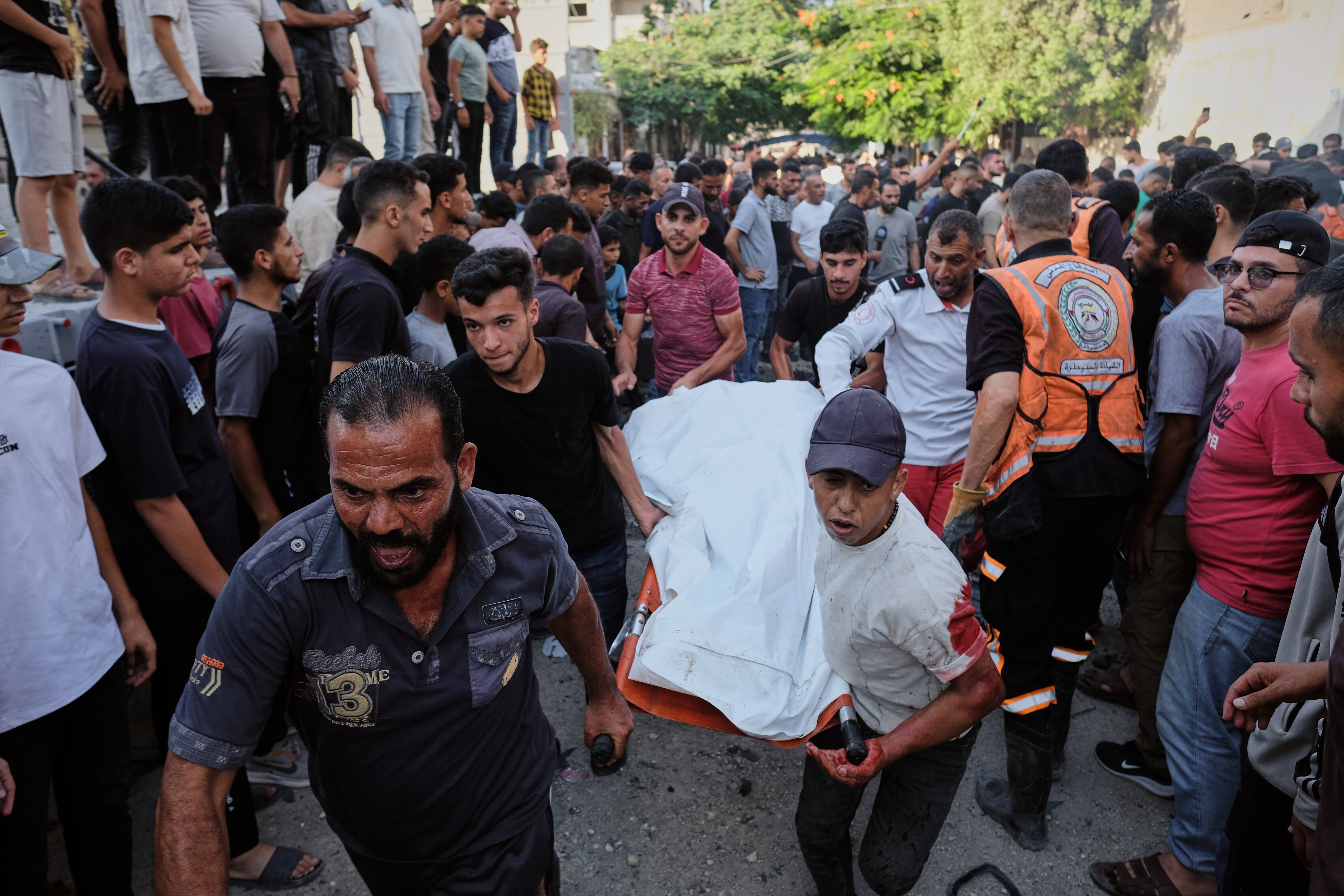
While diplomats debate schedules in air-conditioned conference rooms, the ground reality in the Gaza Strip remains volatile. Israeli military operations continue in designated sectors, with recent strikes underscoring the brittle nature of the nine-month-old ceasefire.
More than sixty percent of the territory remains under direct military deployment, while millions of displaced civilians inhabit devastated urban zones and makeshift tent encampments.
The friction between political announcements in Western capitals and operational directives on the ground exposes the central flaw of the current blueprint. A deal built on mutual suspicion cannot survive without airtight enforcement mechanisms that satisfy both Israeli security anxieties and Palestinian demands for sovereignty and withdrawal.
Until the sequencing bottleneck is resolved, the path toward permanent stabilization remains blocked by the heavy shadow of October 7 and the unyielding calculus of military survival.