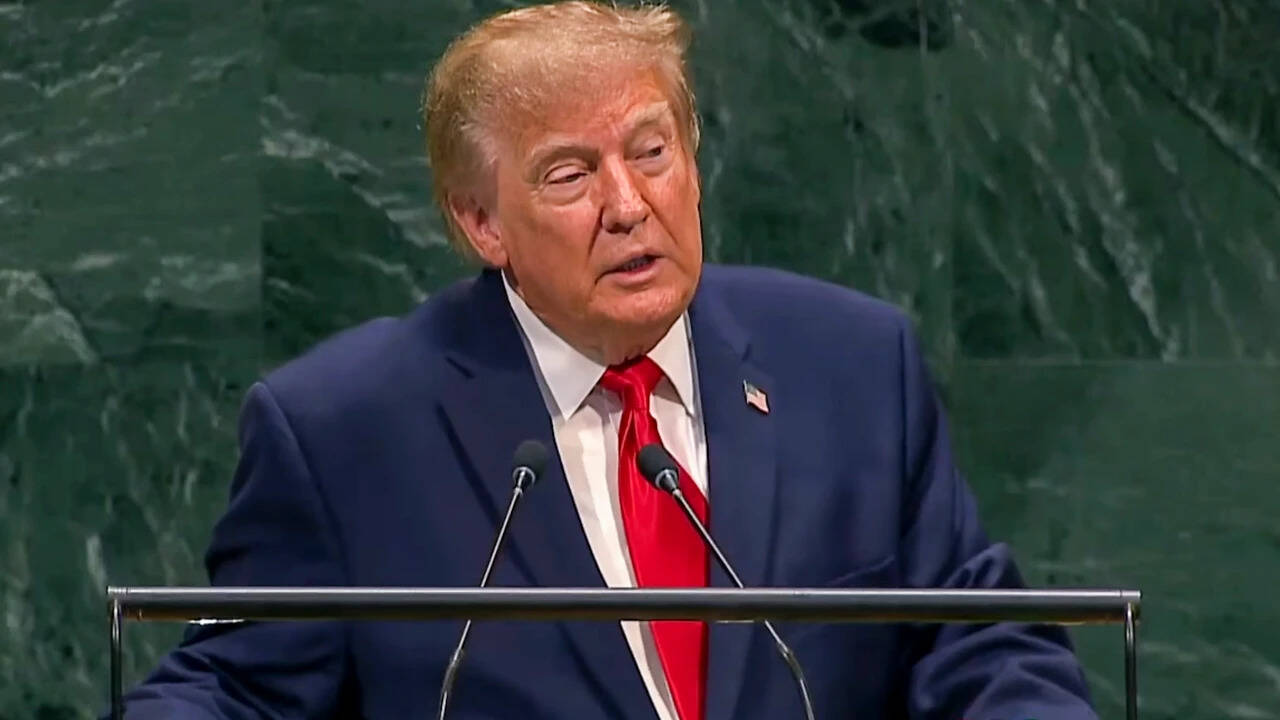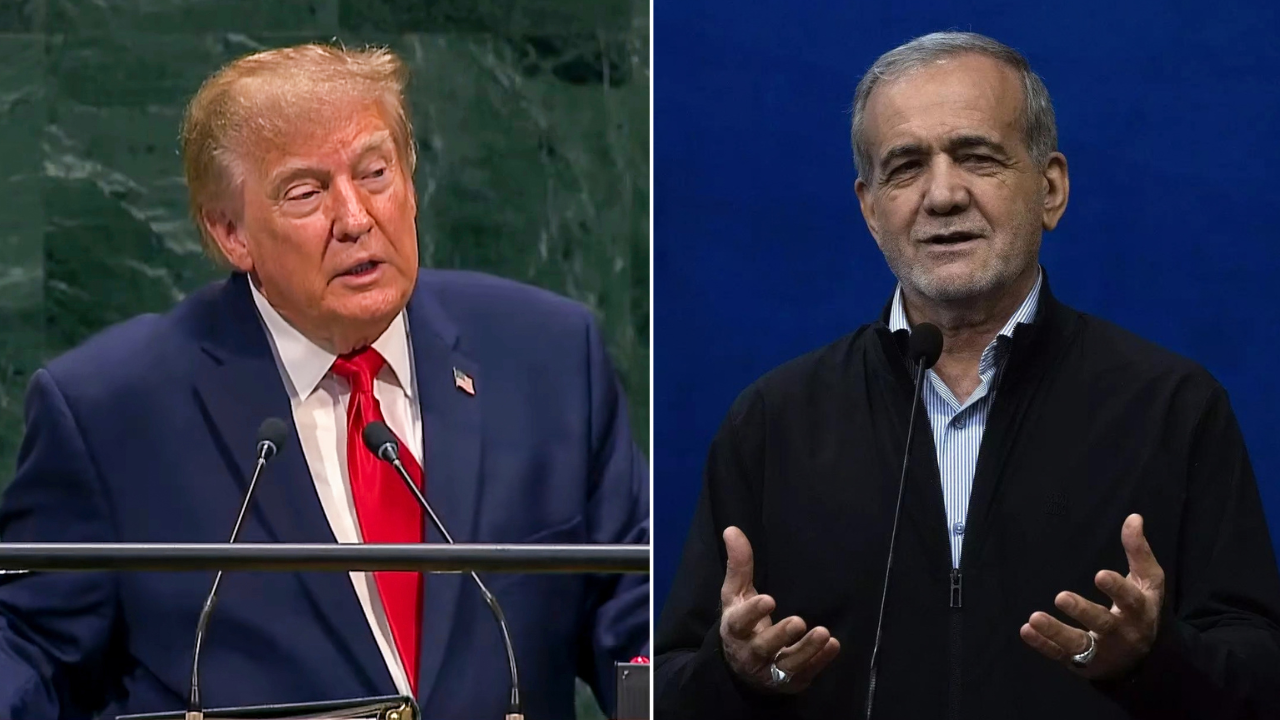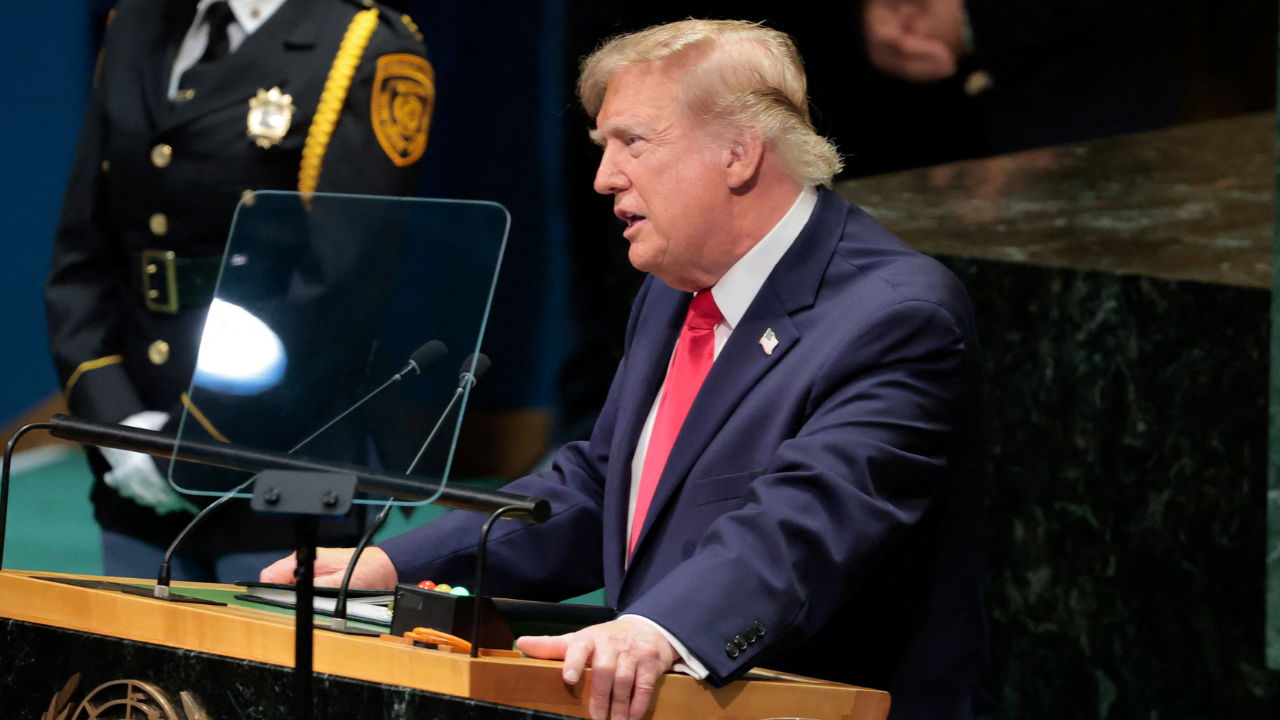
International diplomacy rarely features language as stark as the choice laid out at the United Nations podium. When Donald Trump addressed the 81st session of the United Nations General Assembly, he didn't lean into diplomatic euphemisms or vague policy hints. He framed the ongoing confrontation with Tehran as a binary choice between total agreement or total destruction. For political watchers, foreign policy analysts, and anyone tracking global markets, this moment crystallizes a high-stakes standoff that has defined months of geopolitical friction.
The Rhetoric of Maximum Pressure
The phrase "deal or annihilation" wasn't chosen by accident. Trump has long favored high-stakes leverage, treating international relations like high-stakes negotiation. During his address, he defended his decision to confront Iran directly, positioning military force not as a first resort of a reckless administration, but as a necessary correction to years of stalled diplomacy. For a deeper dive into similar topics, we suggest: this related article.
"While others have talked, I have acted," Trump told the assembly.
This posture creates an immense dilemma for Tehran. The Iranian leadership faces severe economic pressure, ongoing security disruptions across crucial shipping lanes like the Strait of Hormuz, and a U.S. strategy designed to enforce complete economic isolation. Yet, yielding too quickly to open threats risks domestic political fallout for the regime, creating a dangerous loop of posturing and escalation. For broader background on the matter, comprehensive reporting can be read at BBC News.
The Electoral Timeline and Diplomatic Backchannels
Behind the fierce public rhetoric, the timeline of this conflict remains deeply tied to domestic political calculations. Trump openly speculated during and after his UNGA appearances that a breakthrough might materialize right after the electoral cycle. Tehran, from the perspective of Washington, was allegedly waiting to see how political momentum shifted.
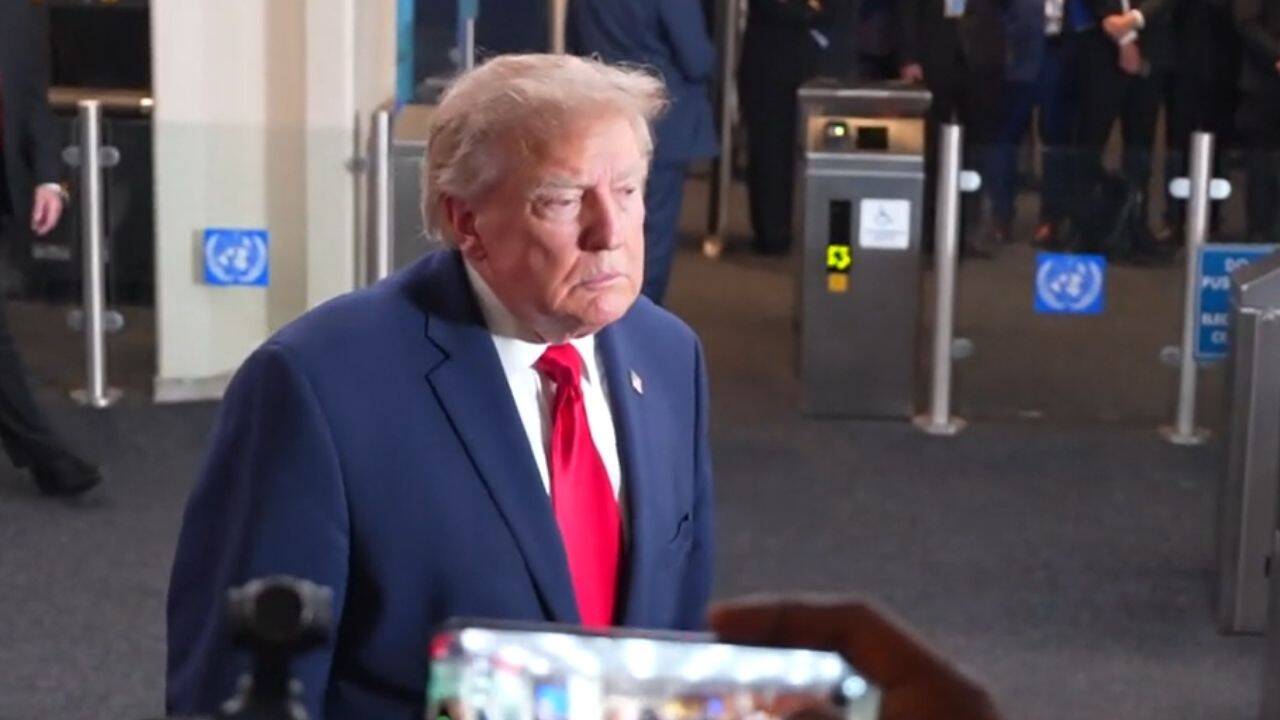
At the same time, actual diplomacy was happening away from the cameras. On the sidelines of the General Assembly, backchannel communications involving figures like U.S. special envoy Steve Witkoff took place through intermediaries. While public statements remained defiant, these clandestine touchpoints suggest that both sides understand the unsustainably high cost of a protracted conflict.
Weighing the Real Costs
The confrontation carries heavy economic and human tolls that go far beyond standard political rhetoric. Disruptions in the Middle East directly impact global energy infrastructure, shipping routes, and market stability. Allies in Europe and the Gulf find themselves caught in the middle, balancing their security dependencies on Washington against the immediate regional fallout of prolonged hostilities.
Critics argue that framing foreign policy around absolute outcomes leaves very little room for de-escalation if talks collapse. Supporters counter that conventional diplomatic norms failed to curb Iran's regional ambitions or nuclear trajectory, making dramatic pressure the only language that commands attention.
The reality on the ground remains volatile. Whether this latest round of threats forces Tehran to the negotiating table or hardens its resistance depends entirely on how both administrations manage the next misstep. Watch the backchannel communications and regional shipping security metrics closely over the coming weeks, because that is where this standoff will actually be won or lost.
Trump warns Iran at UN General Assembly of 'annihilation' if no deal is reached
This video provides footage and reporting on Donald Trump's speech at the United Nations General Assembly, highlighting his ultimatum to Iran regarding a deal or annihilation.