Over the past ten months, an estimated five hundred civilians have lost their lives in escalating border clashes between Afghanistan and Pakistan, a silent crisis born from shifting geopolitical fault lines and broken security promises. This ongoing friction is not a series of isolated skirmishes, but rather the explosive symptom of a deep ideological and territorial fracture that has widened dramatically since the Taliban takeover of Kabul in 2021. For decades, the porous Durand Line acted as a contested scar separating two nations bound by history yet divided by mistrust. Today, it has transformed into an active combat zone where non-combatants pay the ultimate price for diplomatic failures.
The Anatomy of a Deteriorating Border
To understand why bodies are piling up along the frontier, one must look past the immediate gunfire and examine the structural collapse of bilateral counter-terrorism cooperation. Islamabad long believed that a friendly administration in Kabul would secure its western flank, neutralizing groups like the Tehrik-i-Taliban Pakistan. That calculus proved disastrously wrong. Instead of reining in cross-border militancy, the current Afghan leadership has fostered an environment where armed factions operate with relative impunity, prompting Pakistan to adopt an aggressive posture of kinetic deterrence.
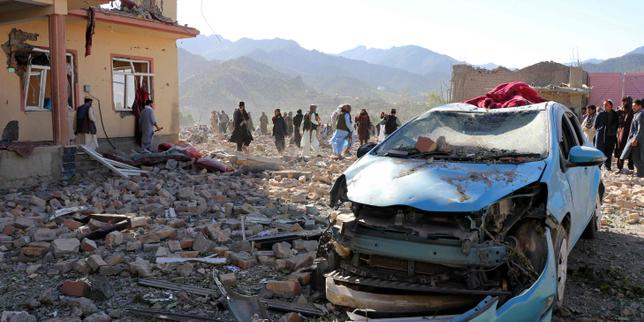
Airstrikes inside Afghan territory, artillery exchanges across high-altitude passes, and sudden border closures have become routine. Commerce halts. Families are split. Villages nestled in the rugged mountain valleys absorb the collateral damage of a war neither government officially declares.
- Geographic Vulnerability: The mountainous terrain makes traditional border fencing and monitoring nearly impossible, leaving isolated communities directly in the line of fire.
- Intelligence Failures: Complete breakdowns in communication mean neither side warns civilian populations before military operations commence.
- Economic Strangulation: Frequent closures of major trade crossings like Torkham and Chaman starve local markets of basic necessities, fueling desperation.
The Broken Promises of Counter-Terrorism
Diplomacy has failed to bridge the chasm. High-level delegations have met in regional capitals, trading accusations over who harbors which militant faction. Pakistan demands that Kabul crack down on anti-state elements using Afghan soil as a launching pad. Kabul counters by accusing Pakistan of violating its national sovereignty through unauthorized aerial bombardments and heavy-handed border management.
This diplomatic gridlock paralyzes any meaningful protection for civilians caught in the middle. Humanitarian agencies struggle to access remote frontier districts where infrastructure is virtually non-existent and medical facilities are overwhelmed by trauma cases. Shelling destroys homes, schools, and agricultural land, uprooting generations of families who have farmed these valleys for centuries.
Beyond the Rhetoric
The human cost extends far beyond the raw casualty statistics. Refugees displaced by the cross-fire face brutal winters without adequate shelter or food security. Young men in border towns face a grim binary choice: join armed factions for protection and survival, or flee toward urban centers already buckling under economic strain.
Neither capital shows genuine appetite for compromise. Islamabad views its security measures as an existential defense against escalating domestic terrorism. Kabul views any concession to foreign pressure as an intolerable erosion of its sovereignty. Meanwhile, the frontier burns.
There are no quick diplomatic fixes or easy ceasefire agreements on the horizon when fundamental existential fears drive both governments. The five hundred dead are not merely collateral numbers in a regional power struggle. They are the predictable casualties of an unyielding stalemate, and until both sides abandon their zero-sum games, the body count along the Durand Line will continue to climb.