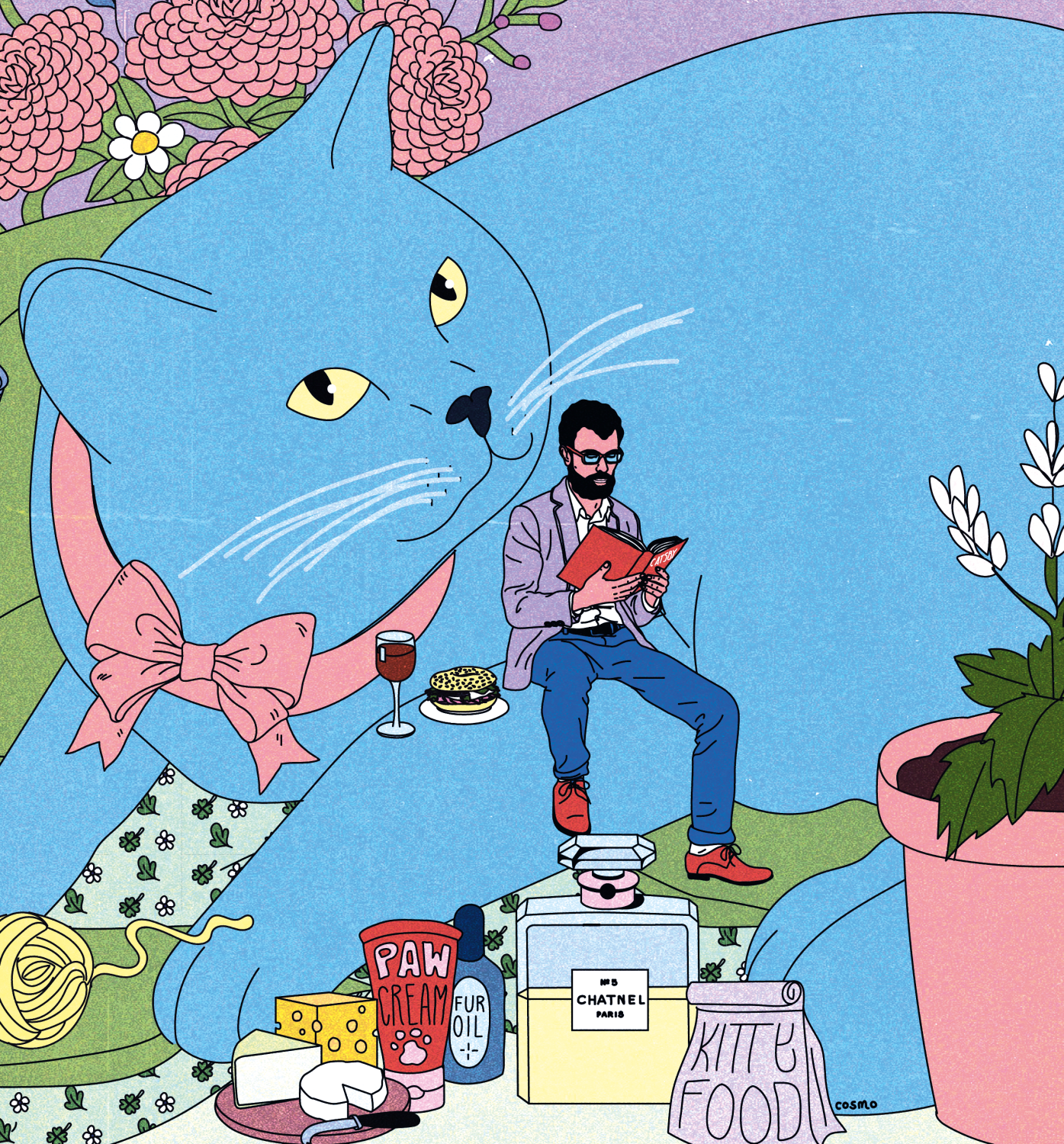
The cultural architecture of modern dating is undergoing a quiet structural shift, and it has four paws, sharp claws, and a notoriously independent streak. For generations, the archetype of the domestic pet owner cleaved cleanly along gendered lines. Women owned cats; men owned dogs. Men with felines were historically burdened with outdated cultural anxieties, whispered about in the shadows of outdated internet forums as eccentric anomalies or social outliers. Today, that old paradigm has fractured entirely. Millions of men proudly broadcast their feline co-habitants across social media platforms, turning the phrase "cat daddy" from a niche punchline into a powerful digital identifier.
Yet beneath the viral videos and the performative adoration lies a deeper psychological tension. Why are modern men embracing cat ownership with such fervor, and what does this sudden cultural pivot reveal about the anxieties of contemporary romance?
To understand the current phenomenon, one must look past the algorithmic gloss of short-form video feeds and examine the mechanics of modern loneliness. Sociological data confirms that younger demographics, particularly Gen Z and Millennials, view male cat ownership not as a strange quirk, but as a primary emotional green flag. In a dating market exhausted by emotional detachment and performative toughness, caring for a creature that refuses to offer unconditional obedience signals something vital. It signals safety. It signals an acute capacity for patience.
Dogs offer immediate, uncritical validation. A dog will love you back the second you walk through the door, regardless of your mood, your flaws, or your boundaries. Cats demand a different kind of labor. They require you to decode subtle physical cues, respect spatial boundaries, and earn trust over time. When a man posts a video of himself calmly respecting a cat's desire for solitude, he is performing an unspoken masterclass in emotional intelligence. He is proving to prospective partners that he understands how to coexist with an autonomous entity rather than dominating it.
This shift has not happened in a vacuum. For decades, traditional masculinity required a constant projection of physical dominance and emotional stoicism. Pets were often chosen as accessories to reinforce that image. Guard dogs and high-energy hunting breeds acted as canine extensions of their owners' perceived toughness. Cats, by contrast, were long coded as feminine, delicate, and fundamentally incompatible with the rugged individualist mythos of traditional manhood.
Men who bucked this trend were forced into defensive postures. They apologized for their pets or hid their litter boxes when dates came over. The modern cat dad has discarded that shame entirely. Platforms like TikTok have normalized the juxtaposition of bearded, tattooed men cooing softly over tiny kittens. This hyper-visible tenderness has dismantled the rigid boundaries that once governed how men are allowed to express caregiving impulses.
The transition is changing relationship dynamics on a fundamental level. Dating app metrics show a noticeable uptick in engagement for profiles featuring felines, reversing decades-old superstitions about the perils of being a single man with a cat. Single women navigating a landscape of inconsistent communication and commitment phobia increasingly read male cat ownership as an indicator of domestic stability. If a man can clean a litter box daily and manage a creature that throws up hairballs on the antique rug without losing his temper, he might just possess the long-term endurance required for a sustainable partnership.
Yet, romantic optimization is only part of the equation. The modern obsession with cat culture points to a deeper societal exhaustion. People are working longer hours, living in smaller urban spaces, and finding themselves increasingly isolated from community structures. Dogs demand extensive outdoor socialization, walks in all weather conditions, and constant logistical management. Cats offer a parallel form of companionship that fits neatly into the high-density, low-leisure reality of modern professional life. They provide warmth without requiring a lifestyle overhaul.
For many men, the relationship serves as a low-stakes training ground for emotional expression. Men are socialized from early childhood to suppress vulnerability, making direct emotional processing feel terrifying. Directing that care toward a silent animal provides a safe container for affection. You can cry into a cat's fur, talk to it about your day, and let your guard completely down without fearing social judgment or rejection. The cat absorbs the emotional overflow of a stressful existence without asking awkward questions.
Of course, internet culture has a way of commercializing and flattening authentic behavior into a caricature. The aesthetic of the polished, hyper-styled influencer posing with an expensive purebred cat can easily turn genuine companionship into a calculated prop. When every single element of private life is curated for public consumption, even domestic tranquility risks becoming a brand. The line between finding genuine comfort in an animal and performing sensitivity for an audience begins to blur.
True intimacy with an animal is messy, unglamorous, and entirely divorced from the curated aesthetic of a viral post. It involves midnight vet runs, shredded furniture, and expensive dietary management. The men who sustain long-term relationships with their pets without treating them merely as content machines are discovering a quieter, more durable form of fulfillment. They are learning that tenderness does not dilute strength; it anchors it.
The cultural elevation of the domestic feline companion is not a fleeting internet fad. It represents a generational realignment of what men value in themselves and what partners value in return. As the old guardrails of gender expression continue to dissolve, the willingness to share your living space with an independent creature has become a quiet test of character. It strips away the armor, exposes the softer underbelly of modern manhood, and asks a simple question about whether you can love something that doesn't need to be conquered.