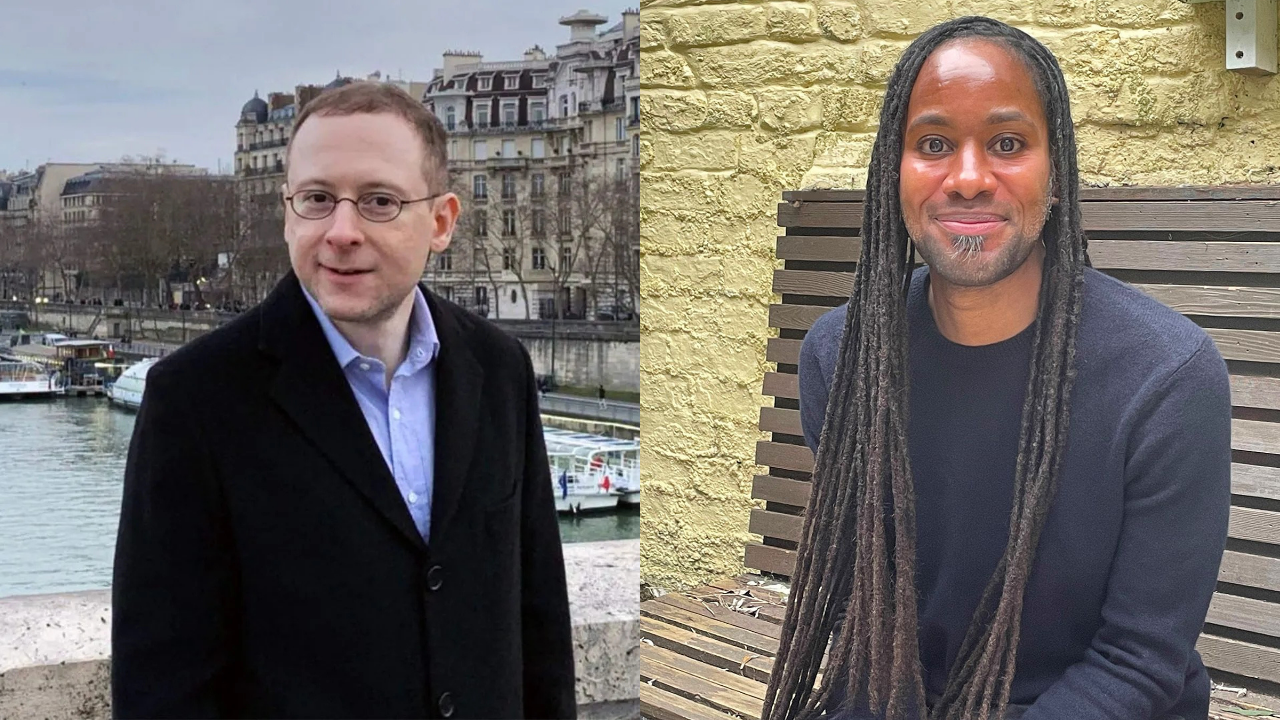
Former Cambridge researcher Nathan Cofnas recently declared that he feared for his life following a massive Trafalgar Square gathering honoring the late professor Jason Arday, exposing a deep fracture within British higher education. The public clash follows months of intensifying fallout over institutional credentials, academic freedom, and ideological warfare inside elite universities. When thousands assembled in London to protest what organizers called a racist witch hunt against Arday, the fault lines of British intellectual life widened into open hostility.
The sequence of events began when Cofnas publicly scrutinized the doctoral work of Arday, Cambridge's high-profile professor of sociology who passed away shortly after resigning. Cofnas utilized text-matching software to identify significant similarities between Arday's 2015 doctoral thesis and an earlier 2009 dissertation. What started as an isolated inquiry quickly cascaded into national headlines, dragging elite academic vetting processes into public view. Media outlets subsequently expanded their inquiries, scrutinizing biographies, honorary appointments, and fundraising claims associated with Arday's career.
The Anatomy of Institutional Panic
Universities pride themselves on rigorous self-correction. Yet, when external actors use automated text analysis to bypass internal peer review, administrations find themselves structurally unequipped to respond. Higher education institutions operate on slow bureaucratic timelines designed to protect institutional reputation rather than address rapid digital exposés.
Consider a hypothetical scenario where an independent researcher uncovers systemic citation anomalies in a senior administrator's legacy publication. The traditional academic response involves confidential committees, months of procedural delays, and guarded statements. In the modern information ecosystem, that timeline collapses. Findings go public within minutes via social media platforms, forcing universities into reactive crisis management.
Cambridge leadership initially defended its appointments, only to reverse course and launch an independent review of hiring practices as public pressure mounted. This whiplash exposes a fundamental institutional vulnerability. When administrative survival supersedes commitment to transparent standards, trust erodes from both the left and the right. Critics who favor aggressive institutional diversity policies view the scrutiny as an organized campaign to delegitimize minority scholars. Conversely, critics of current administrative frameworks argue that standards are being selectively relaxed to accommodate political priorities.
The Shrinking Boundaries of Free Inquiry
The collision between political ideology and academic employment has transformed British campuses into legal and cultural battlegrounds. Cofnas himself litigated his dismissal from Emmanuel College, securing a judicial acknowledgment that anti-woke perspectives can constitute protected philosophical beliefs under equality legislation, even as the court ultimately ruled in favor of the college's disciplinary discretion.
This legal reality highlights an uncomfortable truth. Expressing unpopular views on campus is technically permissible under specific statutory definitions, yet practical penalties remain severe. When students organize massive rallies and threaten targeted academics, universities face immense pressure to appease the crowd. Safety concerns stop being hypothetical. Security protocols for controversial speakers now rival those of visiting heads of state, fundamentally altering the daily reality of scholarly life.
The Cost of Compliance Cultures
Academia increasingly selects for bureaucratic conformity. Scholars quickly learn which research paths attract funding and which ones invite career destruction. When administrative bodies prioritize ideological alignment over empirical friction, intellectual stagnation follows. The public spectacle in London and the subsequent polarization across British institutions demonstrate that these tensions cannot be resolved through closed-door committee meetings or defensive public relations campaigns.
The underlying rot extends far beyond a single thesis or an individual resignation. It points to a broken credentialing apparatus where universities have abandoned rigorous oversight in favor of prestige metrics and public relations victories. Until governing bodies restore internal accountability and decouple institutional self-preservation from political trends, public trust in higher education will continue its sharp, irreversible decline.
The Man Who Exposed Jason Arday: Cancelled at Cambridge | Nathan Cofnas
This video provides an in-depth discussion with Nathan Cofnas regarding his controversial departure from Cambridge and the wider implications for academic freedom.
http://googleusercontent.com/youtube_content/1