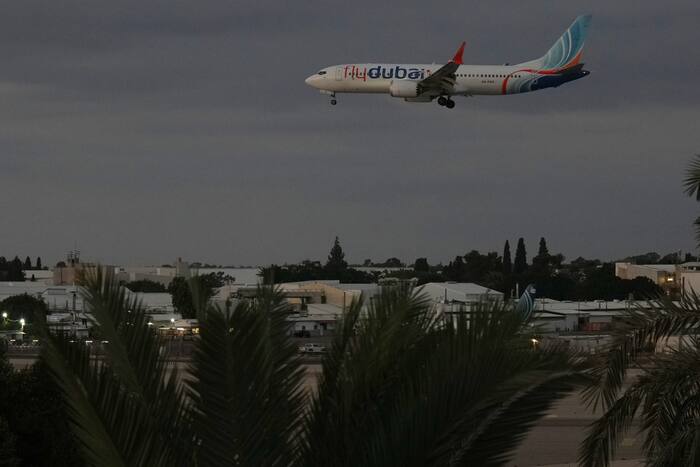
An airport terminal is built for momentum. Every digital board, security checkpoint, and baggage carousel is engineered to propel human traffic forward. Then a flight gets diverted.
Suddenly, the momentum stops.
When the Israel Airports Authority recently established a dedicated waiting and information zone at Ben Gurion Airport for families awaiting passengers on a diverted flydubai flight, it exposed a recurring vulnerability in global aviation. Headlines reported the operational measure as a straightforward act of hospitality. It was not. It was an emergency intervention triggered by an information vacuum, highlighting how fragile the bridge between anxious relatives and opaque airline operations remains.
Consider what happens the moment a plane changes its destination mid-air. Transponders blink. Flight tracking apps lag behind reality. Families waiting at the arrivals terminal watch a scheduled landing shift from "On Time" to "Delayed," then to "Diverted," and finally into a void of gray uncertainty. In that precise window of silence, stress metastasizes into panic. Ground staff are left scrambling to manage crowds without a standardized playbook for emotional triage.
The Anatomy of an Unexpected Diversion
Diversions are rarely simple. Weather systems, geopolitical friction, mechanical anomalies, or airspace restrictions force commercial aircraft down far from their intended runways. Yet the operational fallout is rarely shared equally between the carrier and the ground authorities hosting the affected airport.
When a budget carrier like flydubai experiences a mid-route disruption that forces a diversion, the structural weight of crisis communication often falls back onto local authorities. Flydubai operates on tight turnaround schedules and decentralized regional hubs. When flights are rerouted into a facility as high-security and high-volume as Ben Gurion, the administrative gears do not always mesh instantly.
Communication protocols break down because they are built for routine operations, not asynchronous chaos. An airline dispatch center focuses on fuel burn, crew duty hours, and clearance permits. Meanwhile, thousands of miles away, a spouse or parent is staring at a blank arrivals monitor, wondering if their loved one is safe. The gap between these two realities is vast.
Behind the Velvet Ropes of Airport Crisis Management
Setting up a physical holding area is the easy part. Any terminal has vacant conference rooms, VIP lounges, or cordoned-off zones that can be repurposed with folding chairs, bottled water, and a makeshift media desk.
The true test lies in staffing those rooms with people who possess accurate, real-time intelligence. Too often, information zones become holding pens where families receive recycled speculation pulled from public flight-tracking websites. When airport authorities scramble to set up these spaces, they are essentially acknowledging that real-time tracking transparency between airlines, air traffic control, and ground services is severely fractured.
A secure holding area should function as an intelligence hub, not an emotional waiting room. Families do not just need coffee and quiet corners. They need verifiable updates on crew status, re-routing plans, fuel status, and expected ground times. Without this structured transparency, the physical space risks turning into an echo chamber of collective anxiety.
The Information Vacuum That Drives Families to Despair
Information is a currency during aviation emergencies, and it is usually severely devalued.
When a flight is diverted, airlines often rely on automated SMS notifications or broad app updates that fail to account for the unique stress of international travel. For families waiting at Ben Gurion, the lack of a centralized, authoritative voice breeds suspicion. Rumors fill the silence. Social media amplifies unverified reports from unconfirmed sources on board the aircraft.
The decision by airport authorities to intervene with a physical information center points to a deeper systemic failure in passenger relations. If modern booking engines, mobile applications, and airline portals functioned with total transparency, families would possess the same situational awareness as the dispatcher on duty. Instead, passengers and their relatives remain walled off behind corporate liability barriers until an incident forces officials to physically open a door and offer a direct line of sight.
Operational Friction and the Burden on Ground Crews
Ground personnel at major international hubs bear the brunt of corporate opacity. They are the ones standing at the gates, absorbing the frustration of passengers and relatives alike, despite having zero control over the flight path of the aircraft.
When an ad-hoc family assistance area is stood up, it requires drawing security personnel, customer service representatives, and medical liaisons away from their standard duties. This reallocation creates secondary bottlenecks across the terminal. Security queues lengthen. Baggage handling slows down. The entire ecosystem of the airport absorbs a shockwave caused by a single diverted aircraft.
This dynamic reveals how thinly stretched airport resources truly are. The Israel Airports Authority managed to contain the immediate operational fallout at Ben Gurion, but relying on reactive, makeshift solutions is not a sustainable strategy for an industry facing increasingly volatile geopolitical and meteorological conditions.
Rethinking How Aviation Hubs Handle the Unknown
Aviation safety is traditionally measured in mechanical checklists, redundant systems, and pilot training hours. Passenger communication and family support remain secondary considerations, treated as customer service issues rather than core safety components.
That mindset must change.
If airlines and airport authorities continue to treat flight diversions as rare anomalies rather than predictable operational crises, families will continue to endure unnecessary psychological distress. Setting up a waiting area after a flight has already diverted is a necessary bandage, but it is an admission that the system reacted rather than prepared.
True modernization requires automated, synchronized communication channels where family members can log into secure portals tied directly to the flight manifest, receiving verified updates simultaneously with ground operations. It requires treating the emotional welfare of those on the ground with the same analytical rigor applied to fuel calculations in the air.
Until that integration occurs, airports will continue to rely on folding chairs, bottled water, and makeshift rooms to manage the human cost of aviation's unpredictable skies.