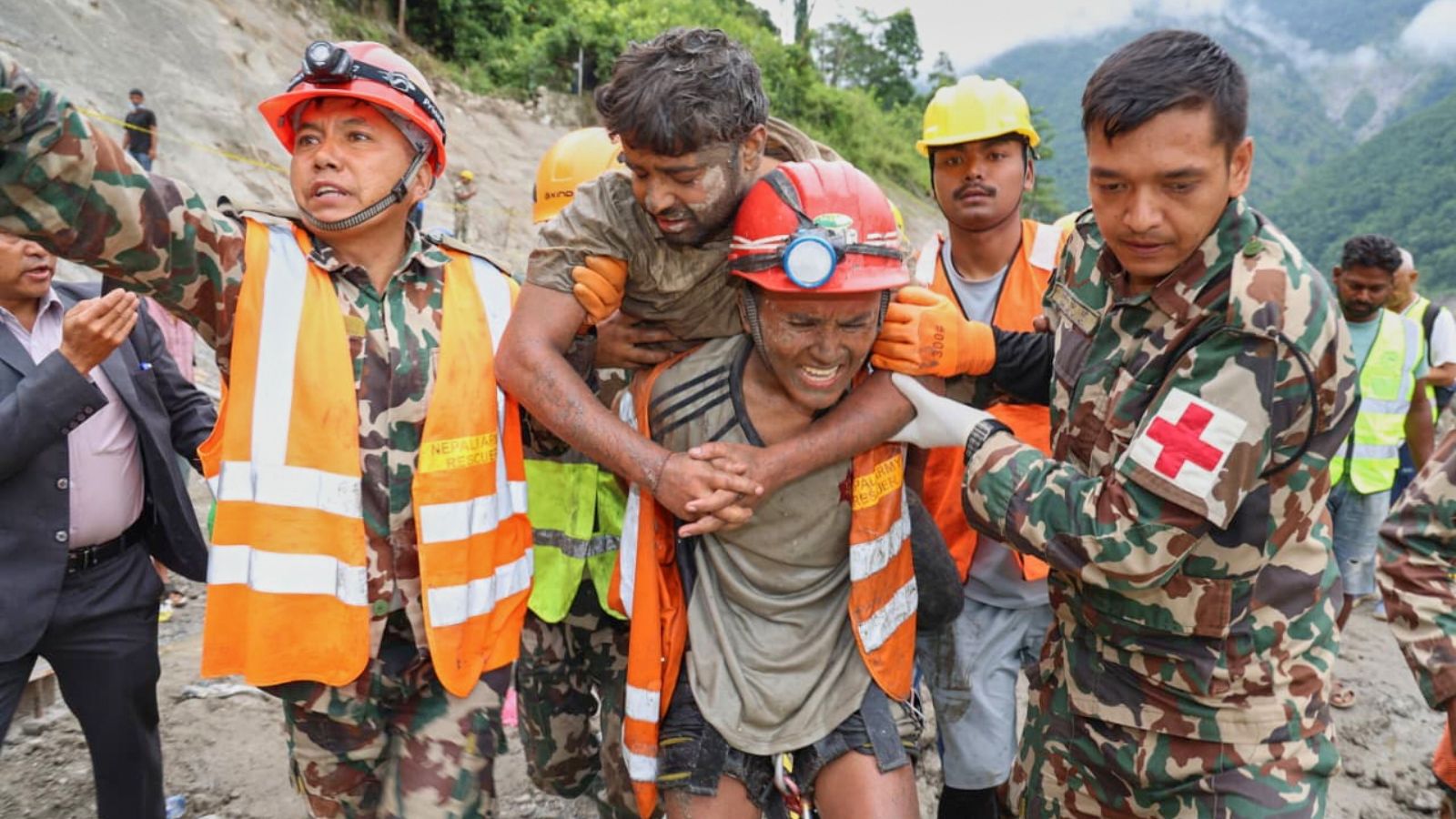
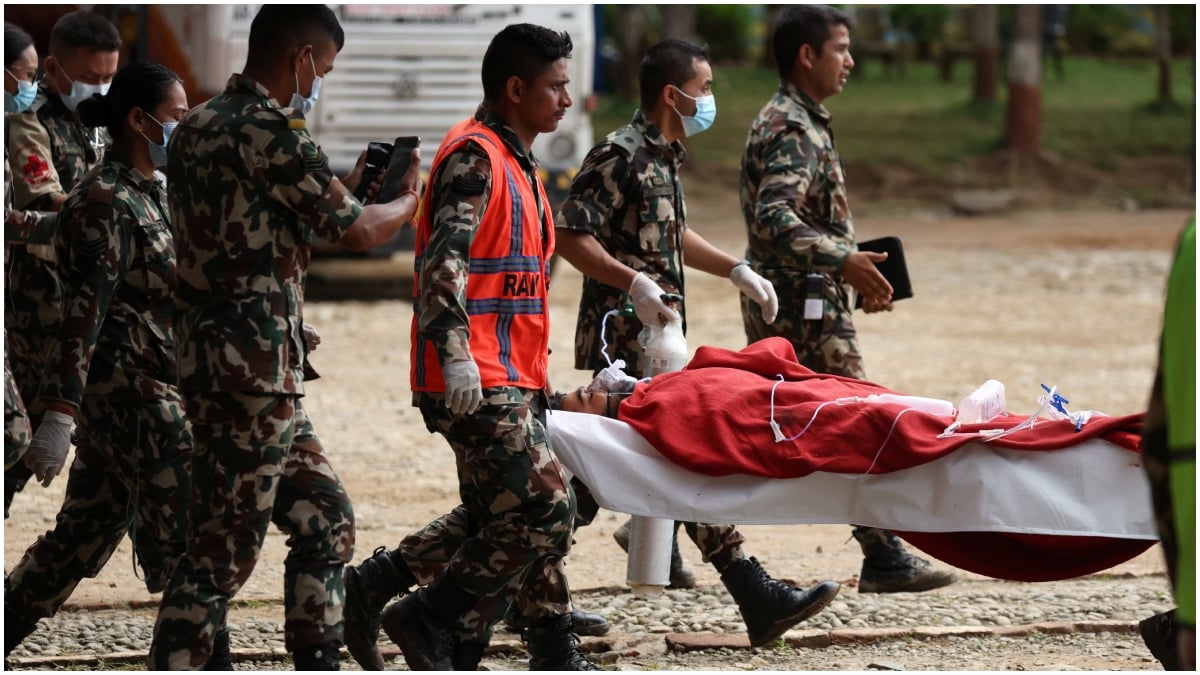
The Balochistan Liberation Army has claimed responsibility for two coordinated operations that reportedly left twenty-five Pakistani military personnel dead, exposing an expanding security vacuum in Pakistan's largest and most resource-rich province. The primary assault struck a military convoy at Ziarat Cross, destroying multiple transport vehicles, while a secondary remote-detonation blast executed by the group's Special Tactical Operations Squad targeted a security vehicle in the Surab district. These developments signal an alarming evolution in insurgent capabilities, moving beyond traditional hit-and-run tactics into sophisticated, high-casualty ambushes that challenge the writ of the state.
The Anatomy of an Escalating Insurgency
For decades, the security apparatus in Islamabad has treated the nationalist unrest in Balochistan through a strictly kinetic lens. Heavy troop deployments, enforced disappearances, and sweeping cordon-and-search operations formed the core of the state's response. Yet, the recent spike in casualties indicates that conventional counter-insurgency playbooks are failing. Meanwhile, you can find related developments here: Operation Economic Outcast and the European Union Strategy Against Iran.
Insurgents are no longer scattered bands of tribal fighters armed with obsolete weaponry. The deployment of specialized units like the Special Tactical Operations Squad, combined with precision timing and remote-detonation technology, points toward professionalization and better tactical intelligence. When a military convoy can be ambushed with such lethality at Ziarat Cross, it demonstrates that the movement of security forces across the rugged terrain is heavily monitored and increasingly vulnerable.
Economic Stakes and the Geopolitical Blind Spot
The violence in Balochistan is not happening in a vacuum. The province is the linchpin of the multi-billion-dollar China-Pakistan Economic Corridor, housing the deep-water port of Gwadar, which serves as the crown jewel of Beijing's trade connectivity ambitions. Every tactical victory claimed by separatist factions directly threatens foreign infrastructure investments and rattles international commercial confidence. To understand the full picture, we recommend the detailed analysis by TIME.
Beijing has repeatedly expressed private frustration over the security architecture protecting its projects. Islamabad finds itself caught in an impossible balancing act: attempting to project an image of stability to foreign partners while fighting a grinding, multi-front war against increasingly adaptive local militias.
Why Conventional Deterrence Is Failing
Military dominance requires more than firepower; it requires intelligence superiority and local trust. Decades of alienation, driven by resource extraction that has largely bypassed the local population, have created a fertile recruitment ground for groups like the Balochistan Liberation Army. When local grievances remain unaddressed, kinetic crackdowns often backfire, driving civilian populations closer to the narrative of armed resistance.
The release of media trailers and operational footage by the insurgents serves an intentional psychological purpose. Information warfare is waged in parallel with physical combat, designed to demoralize incoming troops and signal control over disputed territory. Until the state alters its fundamental framework from coercion to political accommodation, the cycle of ambushes and retaliatory sweeps will continue to drain national resources without securing the region.
Security planners in Rawalpindi face a narrow window to reassess their strategic posture. The cost of maintaining control through brute force is rising by the day, measured in blood, treasure, and international reputational damage.