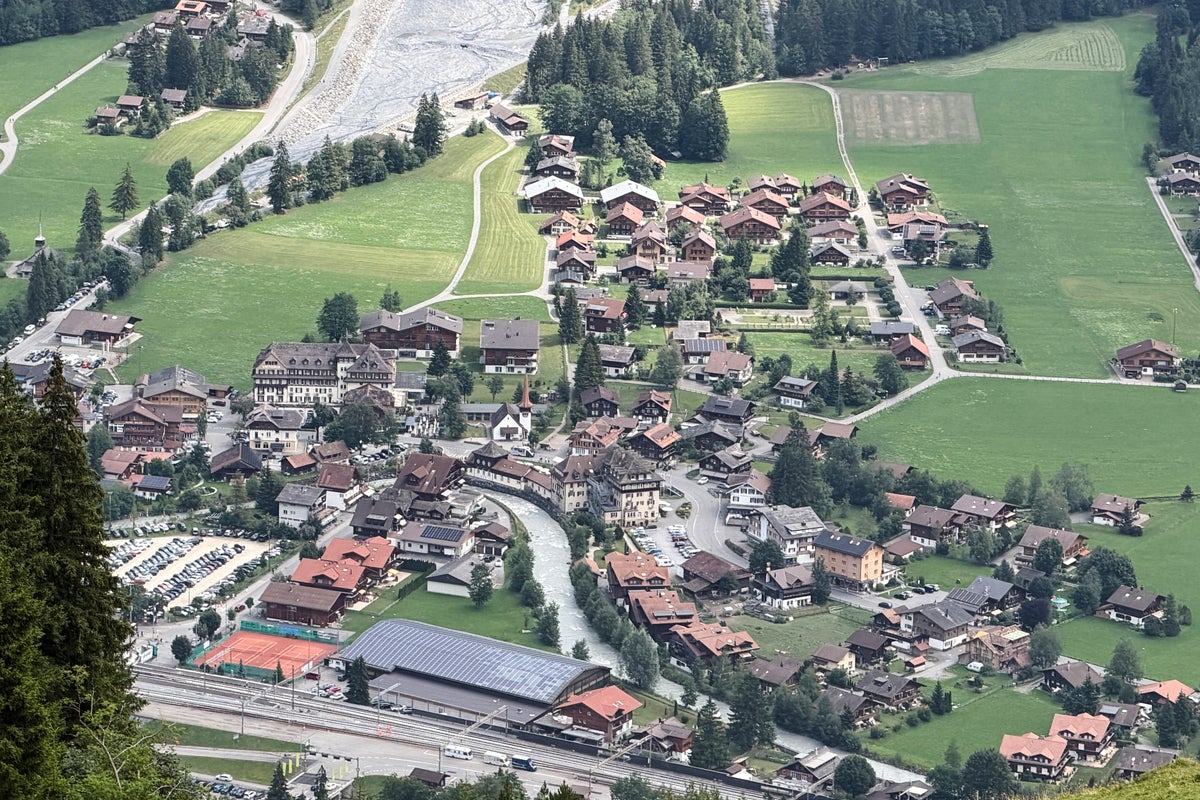
The postcard aesthetic of the Swiss Alps hides a terrifying geological reality. Beneath the pristine snowfields, green pastures, and picturesque chalets, the very foundation of the mountains is unravelling. When communities like Blatten were largely erased by catastrophic debris flows and glacial collapses, the rest of the world gasped at the suddenness of the destruction. Yet veteran alpine researchers and local civil protection officers felt no surprise. They have watched high-altitude permafrost thaw for decades, turning ancient rock formations into ticking time bombs.
Take Kandersteg, a historic tourist hub nestled in the Bernese Oberland. It sits directly in the path of the Spitze Stei cliffside, an unstable rock mass threatening to break loose with a magnitude that dwarfs previous disasters. While tourists sip coffee and hikers lace up their boots, high-tech radar arrays, drones, and remote sensors track every millimeter of rock movement above. The danger is neither theoretical nor distant. It is an active, monitored emergency where the mathematics of climate shift collide with human heritage. If you enjoyed this post, you should check out: this related article.
Permafrost acts as the subterranean cement of high-altitude ecosystems. For millennia, ice locked within fractured rock faces and moraines provided structural integrity, binding loose shale, limestone, and granite into stable peaks. As global temperatures rise at rates roughly twice the global average across the Alpine arc, that natural cement is melting away. Water from seasonal rains and glacial melt infiltrates microscopic fissures, expanding as it freezes or lubricating underlying fault planes when liquid. The result is a profound mechanical failure of the mountain slopes.
When a massive rockfall or glacial tongue gives way, the physics involved defy everyday intuition. It is not merely a pile of rocks tumbling down a hill. Millions of cubic meters of fragmented material transform into high-speed debris avalanches. These mixtures of ice, mud, and boulders flow down narrow valleys with the destructive force of a freight train, surging up opposite slopes and burying infrastructure beneath tens of meters of rubble. Traditional engineering defenses, such as concrete check dams and deflection walls, are often engineered for smaller-scale events. They can easily be overwhelmed when an entire mountainside fails simultaneously. For another angle on this event, see the latest coverage from TIME.
Living with this constant threat creates a distinct psychological dichotomy among mountain dwellers. Generational ties to ancestral lands run deep. Families who have farmed or guided visitors through these valleys for centuries view relocation as a cultural defeat. To an outsider, remaining in the shadow of a collapsing cliffside seems irrational. To a local mountaineer, the risk is simply part of the contract one signs with the high peaks. Authorities maintain meticulous evacuation protocols, automatic warning sirens, and continuous surveillance networks to buy precious time when the slopes begin to move.
Yet monitoring does not equal prevention. Sensors can measure acceleration, and models can simulate run-out zones, but they cannot stop gravity. As more alpine settlements face mounting geological instability, regional governments confront agonizing financial and ethical choices. Fortifying every threatened valley is economically impossible, and abandoning historic communities strips the mountains of the people who manage and protect the natural environment. The slow unraveling of the Swiss Alps serves as an early warning for mountainous regions worldwide. The romanticized landscape of the high peaks is shifting under our feet, demanding a complete reevaluation of how humanity coexists with a warming planet.
Kandersteg and the threat of Alpine landslides
This video provides an on-the-ground look at how vulnerable Swiss communities and local authorities monitor and prepare for imminent mountain collapses.
http://googleusercontent.com/youtube_content/1