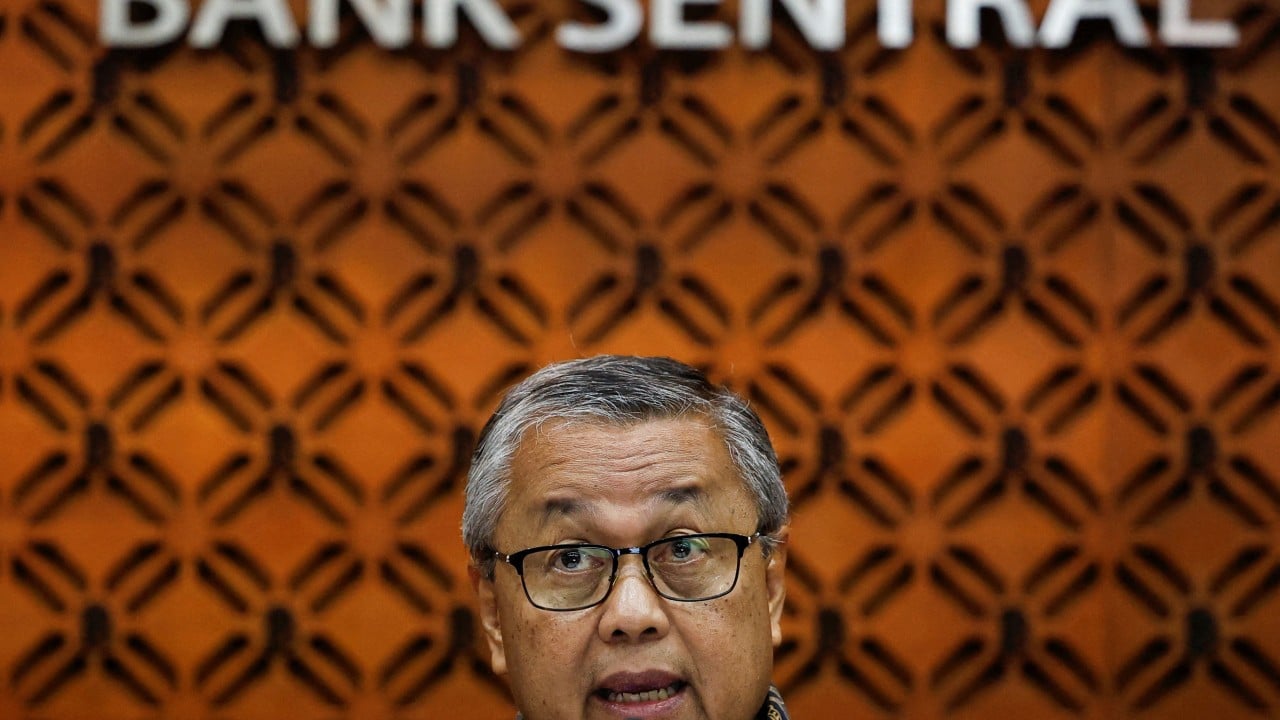
Bank Indonesia is facing a very loud wake-up call. When top officials step down or shift roles during a high-stakes economic transition, markets notice right away. You aren't just looking at a simple personnel change here. You're watching a direct collision between fighting inflation with high interest rates and keeping the national growth engine running.
Central banking looks clean on paper. You raise rates to cool down inflation. You lower them to speed up lending and economic output. Reality is messy. Right now, Bank Indonesia is trapped between a weak rupiah and a government demanding aggressive GDP targets.
The Core Dilemma Inside Jakarta Towers
Let's cut through the official press releases. Indonesia wants to hit ambitious economic expansion numbers near five percent or higher. To hit that target, businesses need cheap credit. They need banks handing out loans for infrastructure, retail, and manufacturing.
High interest rates ruin that party.
When the central bank keeps borrowing costs elevated to defend the local currency against a dominant US dollar, local businesses bleed. Expansion slows down. Factories put hiring on hold.
Senior departures at an institution like Bank Indonesia during these exact policy battles usually mean one thing. Disagreements behind closed doors have reached a boiling point. Do you protect the currency and financial stability, or do you bow to political pressure to juice growth? You can't easily do both at the same time.
Why the Currency Trap Matters More Than Ever
Global capital flows don't care about domestic political wishes. When foreign investors see high yields in the United States, they pull money out of emerging markets like Indonesia.
If Bank Indonesia drops interest rates too early to chase growth targets, capital flees faster. The rupiah drops. Imported goods get more expensive. Inflation spikes.
That is the nightmare scenario for any central banker.
I've watched emerging market policymakers try to thread this needle for years. They always think they can find a middle ground. They try gentle moral suasion with commercial banks. They try targeted liquidity injections. None of it replaces hard math. If your currency is bleeding value, you have to defend it. That defense hurts growth.
The Cost of Missing the Growth Target
Politicians hate low growth numbers. Lower GDP growth means fewer jobs for a massive young population entering the workforce. It means lower tax revenues for state budgets.
So, political pressure on central banks to ease monetary policy becomes relentless.
When a prominent central banker exits under these conditions, it signals that resisting that pressure is taking a heavy toll. Independence gets tested. If the market smells a loss of central bank autonomy, bond yields jump and currency depreciation accelerates.
What Investors and Businesses Should Do Now
If you're operating in this environment, don't wait for policymakers to rescue you.
You need to price currency risk into your supply chains right now. Hedging isn't optional anymore. If you rely heavily on imported raw materials, a weak rupiah combined with stubborn monetary policy will squeeze your margins.
Keep your debt short-term and flexible. Fixed long-term borrowing can become an anchor if interest rates stay higher for longer than the government wants.
Watch the actual liquidity data coming out of commercial banks, not just the benchmark rate announcements. That tells you the true story of how tight credit conditions really are on the ground.
Indonesia has navigated turbulent global waters before. The country has strong underlying commodity exports and a large domestic consumer base. But monetary policy errors compound quickly. The current leadership transition isn't just administrative housekeeping. It is a referendum on how much pain policymakers are willing to accept today to keep the long-term economy stable tomorrow.