Big trade deals usually die a slow death by a thousand committee meetings. For over a decade, that looked like the exact fate awaiting the economic partnership between New Delhi and Jerusalem. Talk, pause, repeat. But the gridlock just broke, and the timeline shifted completely.
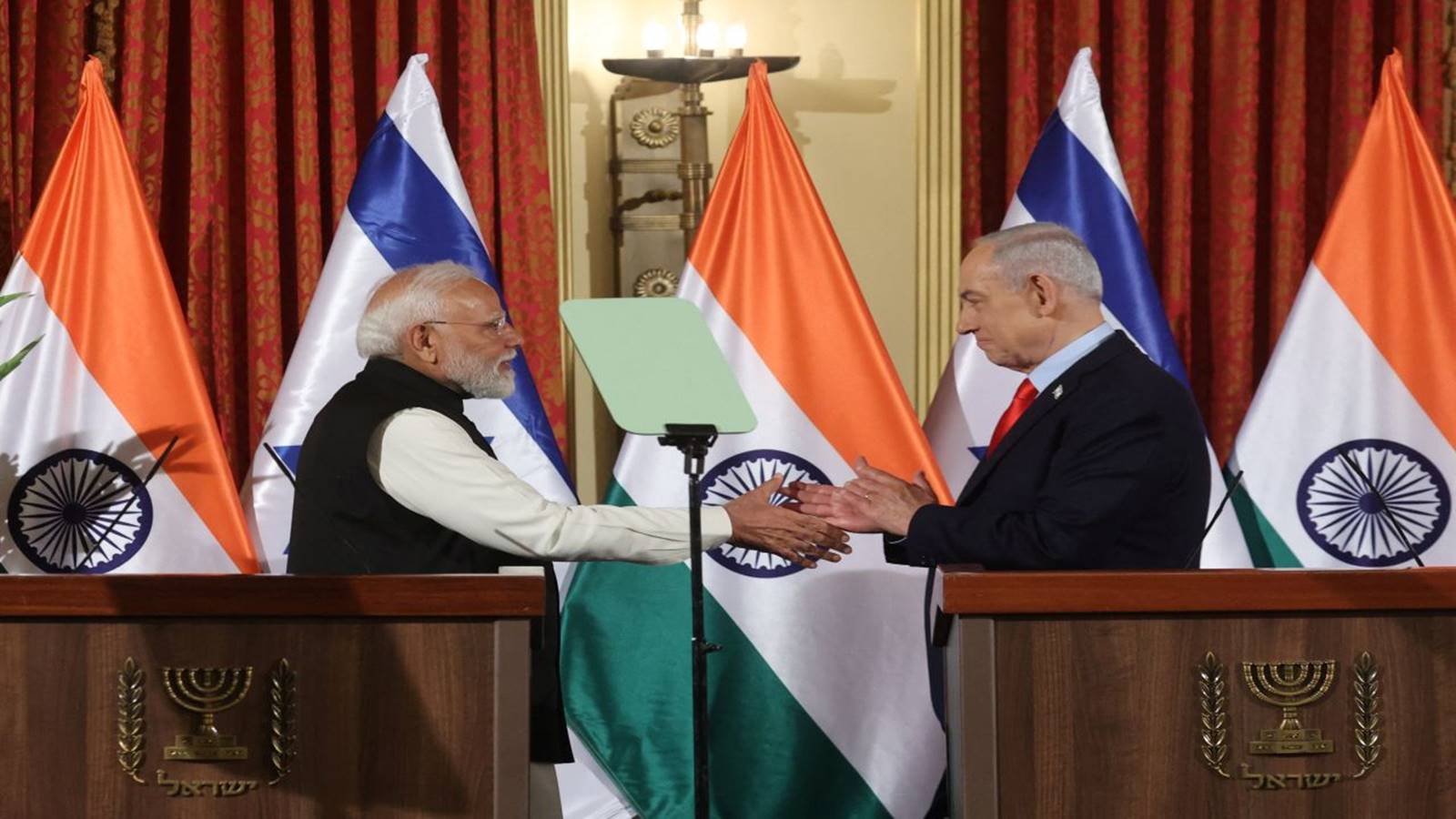
In February 2026, official negotiators wrapped up an intensive four-day marathon in New Delhi to hammer out the first formal round of the India-Israel Free Trade Agreement (FTA). This wasn't just another casual chat. It directly coincided with a state visit by Indian Prime Minister Narendra Modi to Israel, where he and Benjamin Netanyahu upgraded their alliance to a "Special Strategic Partnership for Peace, Innovation & Prosperity".
If you think this is just standard diplomatic theater, you're missing the bigger economic shift. The two nations are moving at a speed we haven't seen before. Just months ago, they signed a Bilateral Investment Agreement (BIA). On July 4, 2026, that pact officially came into force. It provides a concrete legal safety net for corporate capital before the broader tariff cuts even drop.
The next round of in-person FTA talks is locked in for Israel, and the momentum isn't slowing down. Here is what is actually driving this sudden urgency, who stands to win, and why the global trade map is shifting under our feet.
The Reality Behind the $3.6 Billion Blueprint
To understand why this trade deal is suddenly on the fast track, you have to look at the numbers. Total merchandise trade between India and Israel sat at roughly $3.62 billion for the 2024-2025 fiscal year. Honestly, that's remarkably low for two countries that are obsessed with each other's geopolitical value.
Worse, trade numbers actually shrank recently. Geopolitical disruptions and chaotic shipping routes cut bilateral commerce down from a high of over $10 billion a couple of years ago.
The current trade basket is dangerously narrow. It relies heavily on diamonds, chemicals, and heavy machinery. Government officials realize this vulnerability. The trade pact isn't designed to just tweak existing tariffs on raw materials. It's built to construct an entire economic corridor for high-tech manufacturing, services, and digital trade.
Businesses hate unpredictability. Long-term supply chains can't survive on shifting political whims. By cementing rules on customs procedures, intellectual property, and product standards, this pact aims to give small and medium enterprises (MSMEs) the confidence to sign five-year and ten-year contracts instead of hunting for short-term spot deals.
Moving Beyond Diamonds and Defense
For decades, the economic relationship between these two nations was built on a very simple structure. India bought military hardware and diamonds; Israel supplied them. While defense procurement will always remain a massive anchor, it operates under tight government oversight. It doesn't stimulate broad commercial market growth.
This trade deal changes the dynamic by focusing on specific high-margin commercial sectors.
Deep Tech and Semiconductor Assets
Israel excels at early-stage innovation, foundational software architecture, and specialized silicon design. India possesses an unmatched scale of engineering talent, digital public infrastructure, and massive domestic market demand. The trade framework focuses heavily on artificial intelligence, cybersecurity, and quantum computing. By dropping barriers to technical talent and capital, Indian tech hubs like Bengaluru can integrate directly with Tel Aviv's tech ecosystem.
Agricultural Hardening
Climate volatility isn't a future threat; it's messing with crop yields right now. India has over 35 fully functional Indo-Israeli Centers of Excellence focusing on high-yield agriculture and advanced irrigation. The trade deal lowers barriers for commercializing proprietary Israeli drip-irrigation tech, drone-based crop monitoring, and water desalinization systems across rural India.
High-Tech Pharmaceuticals
The consolidation is already happening in plain sight. Indian pharma giant Sun Pharmaceuticals recently wrapped up a complete merger with Israel's Taro Pharmaceutical Industries. India excels at manufacturing high-quality generic medication at a massive scale. Israel brings advanced medical device engineering and biotechnology research. Lowering trade barriers means faster, cheaper pipelines from laboratory concepts to global pharmacy shelves.
The Geopolitical Chessboard
You can't separate this economic push from the reality of global trade routes. Both nations are core pillars of the I2U2 Group, a strategic partnership alongside the United States and the United Arab Emirates.
With supply chains fracturing globally, reliance on single-country manufacturing hubs looks more foolish by the day. This agreement creates a highly reliable alternative economic corridor.
India gets a secure window into Mediterranean logistics and European market access. Israel gains a massive manufacturing base and a direct highway into the fastest-growing consumer market in Asia.
What This Means for Businesses Right Now
If you're running a business in tech, manufacturing, or agriculture, don't wait for the final signatures to start planning. The policy direction is clear, and the implementation of the Bilateral Investment Agreement provides immediate legal protection for cross-border investments.
Evaluate your current supply chain vulnerabilities. Look at how removing import duties on specialized components, electronics, and precision machinery changes your margin calculations.
Keep a close eye on the upcoming virtual inter-sessional meetings and the next face-to-face negotiating round in Israel. The technical teams are currently hammering out rules of origin and specific customs facilitation procedures. The companies that position themselves now to tap into this corridor will hold a massive head start the moment the final signatures hit the paper. Divide your focus between regulatory shifts and practical partnerships. Build relationships with suppliers and technical partners across both borders today while the regulatory framework is actively falling into place.