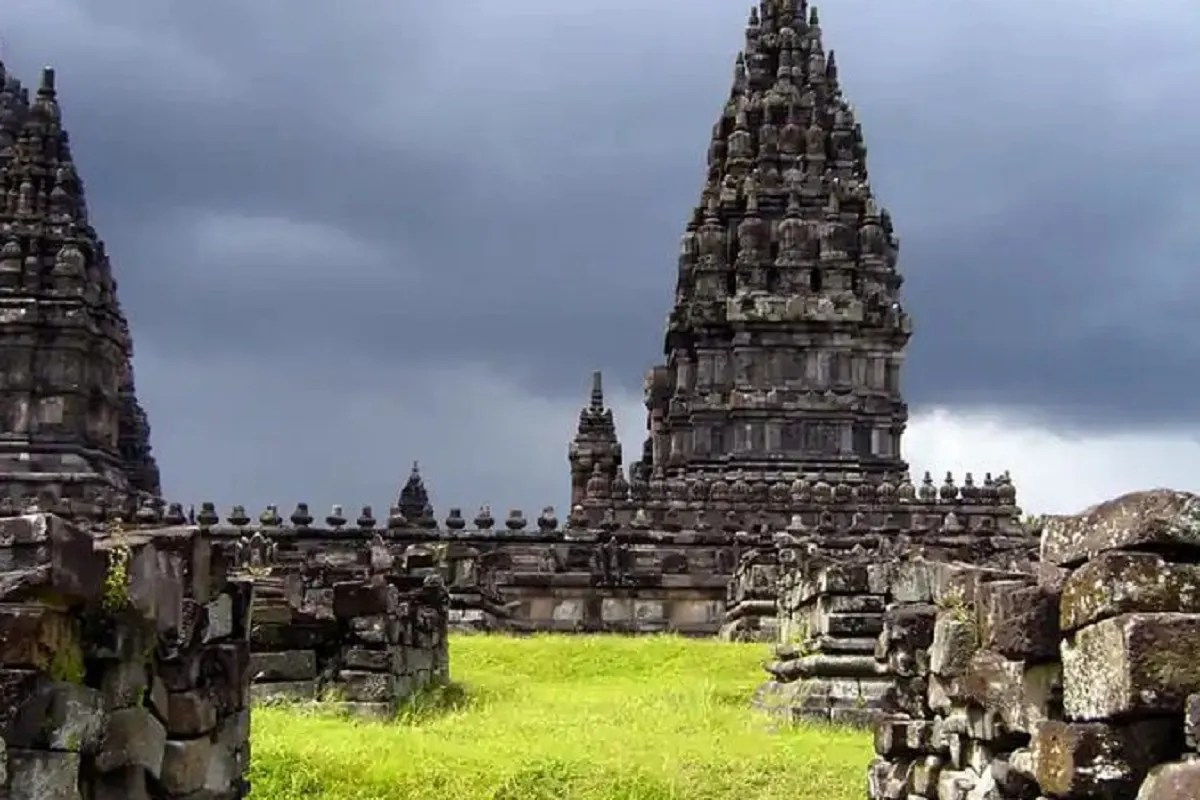
When Prime Minister Narendra Modi traveled to Indonesia, the spotlight naturally fell on trade deals and maritime security. But the real story happened away from the diplomatic tables. It unfolded at the Prambanan temple complex, a stunning ninth-century Hindu site in Central Java. This visit highlighted a deep historical connection that goes way beyond modern politics. Most people look at these ancient stone structures and see mere tourist spots. They miss the decades of quiet, painstaking work where Indian expertise helped bring this shared heritage back from ruins.
Civilizational ties aren't just empty words for speeches. They exist in carved stone, shared epics, and architectural DNA. The Prambanan temple complex stands as a massive monument to this reality.
The Shared History Behind the Prambanan Temple
Prambanan is the largest Hindu temple site in Indonesia and one of the biggest in Southeast Asia. Built during the Sanjaya dynasty, it stands as a towering tribute to Shiva, Vishnu, and Brahma. If you walk through the complex, the walls tell the story of the Ramayana through intricate reliefs. It feels instantly familiar to anyone who knows Indian culture, yet it has a distinct Javanese style.
Earthquakes, volcanic eruptions, and shifting political powers abandoned the site centuries ago. By the time archaeologists took serious notice, many of these towering structures were nothing more than piles of rubble scattered across the tropical plains.
Rebuilding a collapsed stone mountain isn't like fixing a modern brick building. You can't just slap pieces together. It requires an understanding of ancient construction techniques, architectural treatises, and structural engineering. This is exactly where the historical connection between India and Indonesia turned into practical collaboration.
How Indian Experts Helped Save Javanese Heritage
The restoration of Prambanan wasn't an overnight achievement. It took generations of effort. The Archaeological Survey of India played a crucial role in sharing technical knowledge and conservation methodologies with Indonesian authorities.
Indian experts brought decades of experience from restoring major sites across India. They understood how to handle ancient stone preservation, combat tropical weather damage, and interpret iconographic layouts. This shared expertise allowed teams to solve complex architectural puzzles. They figured out exactly where scattered stones belonged in the massive temple walls.
This partnership used an architectural restoration method called anastylosis. This means using as many of the original fallen stones as humanly possible to reconstruct the ruined monument. New materials are used only when absolutely necessary for structural safety.
Teams painstakingly cataloged, cleaned, and fitted thousands of heavy volcanic stones back together. This effort restored the Prambanan temple complex to its towering glory. The project proved that cultural conservation can unite nations across oceans.
Why Cultural Diplomacy Drives Modern Alliances
Geopolitics often focuses heavily on naval pacts, trade deficits, and technology transfers. Those things matter. But true, long-term trust between nations grows from shared identity and mutual respect for history.
When leaders connect over shared epics like the Ramayana or common architectural traditions, it sets a solid foundation for modern strategic partnerships. It transforms foreign policy from cold transactional deals into a deeper relationship built on mutual understanding.
Indonesia and India share a maritime border and critical security interests in the Indo-Pacific region. Remembering their deep cultural connection helps both nations navigate modern geopolitical pressures together. The restored spires of Prambanan serve as a permanent reminder that India and Indonesia have been connected for over a thousand years.
The Lessons We Must Take from Prambanan
Preserving these ancient sites requires continuous effort. The work at Prambanan offers a clear blueprint for how nations can collaborate on heritage conservation worldwide.
First, cultural preservation must prioritize local communities. Prambanan isn't just a museum piece; it remains a living symbol of cultural pride for the people of Java and a major economic driver through tourism.
Second, open technical exchange is vital. The methods perfected during the Prambanan restoration continue to guide conservation projects at other historical sites across Southeast Asia.
To truly understand this shared heritage, you need to look beyond the basic tourist brochures. Plan a visit to explore these structural links firsthand. Study the Ramayana reliefs on the temple walls, support international heritage conservation funds, or read up on the ongoing joint archaeological research between Indian and Indonesian institutions.