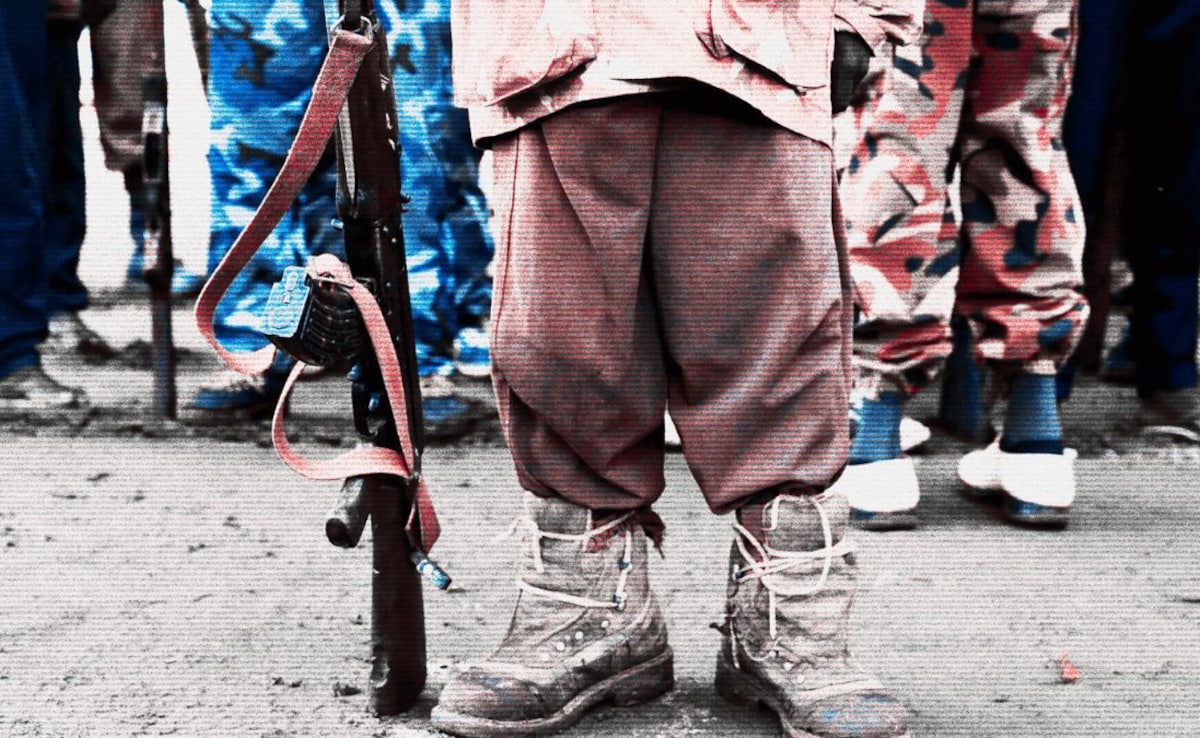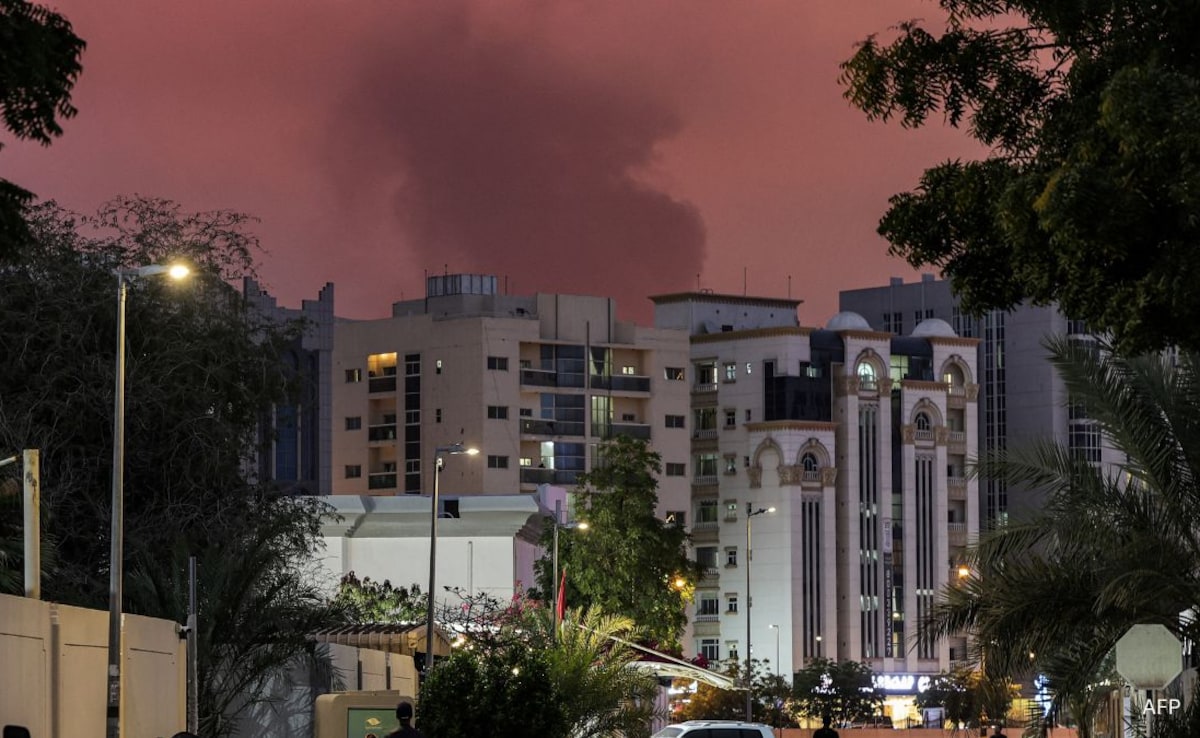
The explosions over Isfahan and the drone swarms targeting Tel Aviv aren't just nightly news segments for someone sitting in New Delhi. They’re a direct threat to the kitchen budget of every Indian household. For decades, India has played a delicate balancing act in the Middle East, trying to stay friends with everyone while sucking up as much crude oil as possible. That era of comfortable neutrality is dying. If the shadow war between Israel and Iran turns into a full-scale regional conflagration, India's current energy strategy will look less like a plan and more like a suicide note.
We've seen this movie before. Every time a missile flies in the Persian Gulf, oil markets freak out. Brent crude jumps. The rupee slides. Inflation spikes. But this time feels different because the geopolitical floor is shifting. We aren't just looking at a temporary price hike. We’re looking at the potential closure of the Strait of Hormuz, a narrow chokepoint through which nearly 20% of the world’s oil passes. For India, which imports over 80% of its crude, that’s not a headache. It's an existential crisis.
The Hormuz Trap is Real
Let’s talk about geography because it’s the one thing diplomacy can't fix. Iran sits right on the edge of the Strait of Hormuz. If Tehran feels backed into a corner by Israeli strikes or increased Western sanctions, they have one massive lever: shutting down that waterway.
About 40% of India’s crude oil imports come from the Persian Gulf. Think about those tankers. They have to pass through that tiny strip of water. If that path gets blocked or even becomes too dangerous for insurance companies to cover, India's supply chain snaps. You can’t just "pivot" to another supplier overnight when you’re dealing with millions of barrels a day. The infrastructure, the refinery specifications, and the long-term contracts don’t work like a retail shopping app.
India has spent years building Strategic Petroleum Reserves (SPRs). These are massive underground salt caverns filled with oil for a rainy day. But here’s the reality check: we only have enough stored to last about nine or ten days. Combine that with the stock held by oil marketing companies, and you might get to 65 or 70 days. That sounds like a lot until you realize a real war in the Middle East could drag on for years. We’re leaning on a very thin reed.
Russia Was a Band-Aid Not a Cure
After the invasion of Ukraine, India got "lucky" in a cynical sense. Russian Urals crude became cheap because the West stopped buying it. We swooped in. At one point, Russia accounted for nearly 40% of our imports. It felt like we’d solved the problem. We weren't as dependent on the volatile Middle East anymore, right?
Wrong.
The Russian oil trade is getting harder to maintain. Sanctions are tightening on the "shadow fleet" of tankers Russia uses. G7 price cap enforcement is becoming more aggressive. More importantly, the Red Sea—the very route those Russian tankers take to reach Indian ports—is a literal combat zone thanks to Houthi rebels.
So, to avoid the Middle East conflict, we’re relying on oil that has to sail right past another Middle East conflict. It’s a loop of vulnerability. If we think Russia is a permanent shield against Middle East volatility, we’re kidding ourselves. Logistics matter as much as the price per barrel.
Why Domestic Production is Failing Us
You’d think the solution is simple: drill more at home. But India’s domestic oil production has been stagnant or declining for years. Despite various government schemes like HELP (Hydrocarbon Exploration and Licensing Policy), big global players like ExxonMobil or Shell aren't exactly rushing to drill in Indian basins.
The geology is tough. The bureaucracy is tougher. We’re an old oil province. Most of our easy-to-reach oil is gone. What’s left is deepwater or ultra-deepwater, which requires massive investment and high-end tech that we still struggle to deploy at scale. Relying on ONGC to find a "new Mumbai High" is a gamble we’re currently losing.
Instead of wishing for oil that isn't there, we need to focus on the demand side. Every internal combustion engine (ICE) vehicle sold today is a 15-year commitment to importing oil. That’s why the shift to electric vehicles (EVs) isn't just about "being green" or meeting Paris Agreement goals. It’s about national security. Every electric scooter on the road in Bengaluru is one less liter of oil we have to beg for from a region that’s currently on fire.
The Gas Bridge is Collapsing
Natural gas was supposed to be the "transition fuel." It’s cleaner than coal and easier to handle than oil. India wants to increase the share of natural gas in its energy mix from about 6% to 15% by 2030. It’s a noble goal, but look at where that gas comes from.
A huge chunk of our Liquefied Natural Gas (LNG) comes from Qatar. If the Israel-Iran situation boils over, Qatar is right in the thick of it. LNG prices are even more sensitive to regional stability than oil. We saw what happened to European gas prices when the Nord Stream pipeline went dark. India can't afford that kind of price volatility. Our fertilizer industry depends on gas. Our power plants depend on gas. If the price of LNG triples because of a skirmish in the Gulf, the price of bread in India goes up because the cost of farming goes up.
Diversification is the Only Defense
We need to stop talking about diversification and actually do it. That means looking West—past the Middle East. Guyana is the new oil superstar. Brazil has massive pre-salt reserves. We need to be locking in long-term equity stakes in these regions, even if the shipping costs are higher. A higher shipping bill is better than a zero-supply reality.
Also, we need to stop treating our Strategic Petroleum Reserves like a secret government project and start treating them like a national priority. We need more caverns. We need them now. We should be inviting private players to fill and manage these reserves.
But the real "rethinking" of energy security has to be radical. It's about green hydrogen. It's about nuclear power. It’s about making sure that by 2035, the "Middle East Factor" is a footnote in our economic planning, not the headline.
We’ve spent seventy years reacting to crises in the Levant and the Gulf. We buy when prices are high, we scramble when supply is cut, and we pray for peace so our economy can grow. Hope isn't a strategy. The Israel-Iran war—whether it stays cold or goes hot—is a final warning.
Stop buying more ICE buses for public transport. Mandate solar rooftops on every new commercial building. Speed up the nuclear reactor commissions in Kudankulam and beyond. Every megawatt of power we produce from the sun, wind, or atoms is a shield against a missile fired thousands of miles away.
Start by checking the numbers yourself. Look at your local petrol pump price next time there’s a headline about a drone strike in Isfahan. That’s the cost of our hesitation. We don't need more "observations" or "concerns" from the Ministry of External Affairs. We need an energy policy that treats every imported drop of oil as a liability. Build the refineries for biofuels, scale the battery swaps for two-wheelers, and finish the gas pipeline projects that aren't tied to the Persian Gulf. The window for a slow transition just slammed shut.