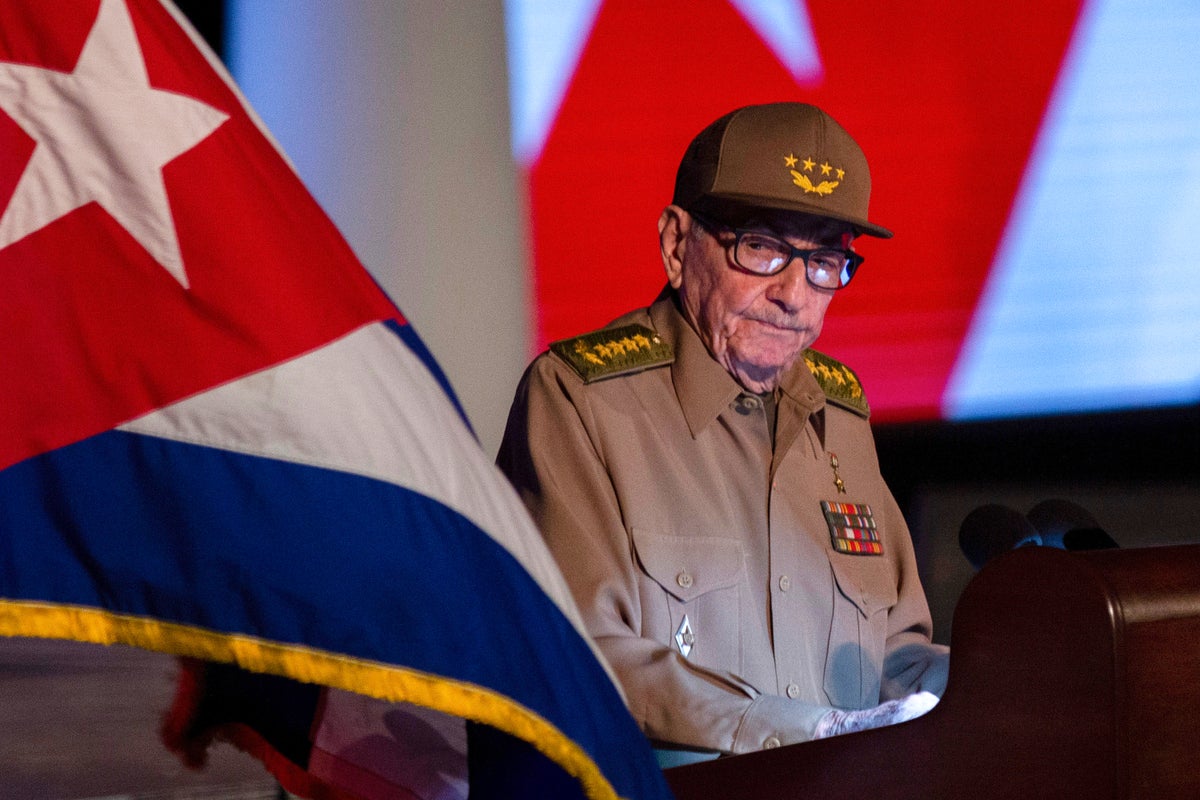
Washington is playing hardball with Havana, and the latest move is about as aggressive as it gets. The Justice Department is laying the groundwork to seek a criminal indictment against 94-year-old Raúl Castro. If you think this is just a symbolic jab at a retired dictator, you're missing the bigger picture.
This isn't just about old grudges. It's the setup for a massive geopolitical squeeze. Recently making waves lately: The Architecture of Trust.
The news broke after federal law enforcement sources confirmed that prosecutors want to charge the former Cuban president over his role in a 30-year-old international tragedy. Specifically, the infamous 1996 shootdown of civilian planes operated by the Miami-based exile group Brothers to the Rescue. Castro was Cuba’s defense minister back then, and the order to fire came directly under his watch.
But why dig up a three-decade-old case right now? Because the White House is running a high-stakes playbook on the Caribbean island, and they're using every legal, economic, and military lever available. More details on this are covered by The Washington Post.
The 1996 Shootdown and the Legal Trap
To understand why this legal threat works, you have to look at what happened on February 24, 1996. Two unarmed Cessna planes, flown by Cuban-American pilots volunteering for Brothers to the Rescue, were blasted out of the sky by Russian-made Cuban MiG-29 fighter jets. Four men died. Havana claimed the planes violated Cuban airspace. The US and the International Civil Aviation Organization countered that the hit occurred over international waters.
http://googleusercontent.com/image_content/193
For decades, successive US administrations sat on the evidence. President Bill Clinton’s team initially considered criminal charges but blinked, fearing a massive military escalation or the compromise of sensitive intelligence assets. Instead, Washington passed the Helms-Burton Act, which permanently locked the trade embargo into law.
Now, the federal government is dustubg off the files. The US Attorney’s Office for the Southern District of Florida recently set up a specialized task force targeting top Cuban leadership. This isn't a slow-moving bureaucratic review. It’s an active pursuit of a grand jury indictment.
Legally, Castro has zero protection under US law if an indictment lands. While he handed the formal presidency to Miguel Díaz-Canel in 2019 and retired from the Communist Party leadership in 2021, he remains the undisputed shadow boss of the island. An indictment turns a Cold War icon into an official international fugitive.
The Venezuela Playbook Comes to Havana
Havana is terrified right now because they've already seen how this story ends. In January, a stunning US military operation inside Venezuela successfully captured President Nicolás Maduro. He was flown straight to New York to face heavy federal drug trafficking charges.
Before Maduro’s ouster, Venezuela was Cuba’s economic lifeline, sending cheap oil to keep the island's lights on. With Maduro gone, the US immediately turned its full attention to Cuba.
The current economic blockade is brutal. Washington is slapping massive tariffs on any nation or shipping company that dares to export oil to the island. The results are devastating:
- Grid Collapse: Continuous, rolling blackouts that shut down entire cities for days.
- Economic Paralysis: Near-total stagnation of commercial activity.
- Food Deserts: Rapidly worsening food shortages as refrigeration fails and supply chains dry up.
With the economy in freefall, the White House is offering a blunt choice: give up control or get pushed out. The President openly floated the idea of a "friendly takeover," promising massive American investment if the communist government kicks out foreign adversaries like Russia and China and opens up its economy. If they don't? Well, the threat of direct military action is openly sitting on the table.
What Happened in the Secret Havana Meetings
While the public hears tough rhetoric, the real action is happening behind closed doors. CIA Director John Ratcliffe recently led a high-level delegation straight to Havana.
He didn't just meet with figurehead politicians. He sat down with Raúl Guillermo Rodríguez Castro—better known as "Raulito"—who happens to be Raúl Castro’s grandson and chief of his personal security detail. Raulito is the gatekeeper to the old guard and has previously held back-channel talks with US officials, including Secretary of State Marco Rubio.
Ratcliffe’s message from the White House was simple: the US is ready to talk about lifting economic sanctions, but only if Cuba makes immediate, fundamental structural changes. The administration is demanding that the island stop serving as a safe haven for hostile foreign intelligence and military operations.
The impending indictment functions as the ultimate leverage in these negotiations. It’s a gun on the table. The message to Raulito and the younger generation of Cuban officials is clear: cut a deal to transition power, or watch your family legacy get dismantled by federal marshals.
The Real Logistics of Regime Change
Can the US actually pull off a rerun of the Venezuela operation 90 miles off the coast of Florida?
Many career military planners in the Pentagon are highly skeptical. Latin America experts, including former National Security Council staffers, point out that Cuba isn't Venezuela. The Cuban military apparatus is deeply entrenched, hyper-paranoid, and spent 60 years preparing for an American invasion. There is no clean, obvious opposition party ready to take the reins tomorrow morning.
A lot of regional analysts argue that an indictment is mostly about domestic politics. It plays incredibly well with the powerful, staunchly anti-communist Cuban-American voting bloc in South Florida.
But dismissing this as mere electioneering ignores how fast things are shifting on the ground. The current administration has proven it's willing to take massive geopolitical risks that previous presidents avoided. By winding down conflicts elsewhere, the White House has cleared its calendar to focus entirely on its own backyard.
Your Strategic Outlook
If you're tracking regional stability, international shipping, or Latin American investments, you need to prepare for a volatile landscape. The situation is moving fast, and old assumptions about Cuba's permanence no longer apply.
Keep a close eye on these specific indicators over the coming weeks:
- The Miami Grand Jury: Watch for the formal announcement of the indictment out of the Southern District of Florida. Once the grand jury votes, the diplomatic bridge is effectively burned.
- Fuel Shipping Trackers: Monitor maritime data for international tankers attempting to run the US economic blockade. Escalating naval interdictions mean shipping insurance rates in the Caribbean will spike.
- Raulito’s Movements: Any sudden, unannounced travel by Raúl Castro’s grandson to neutral third countries will signal whether a back-channel exit strategy is being negotiated.
The days of predictable, stagnant US-Cuba relations are officially over. Washington is betting that a combination of near-total economic strangulation and direct legal threats will break the regime's resolve. Whether it leads to a negotiated transition or an unpredictable flashpoint, the status quo is dead. Now is the time to adjust your risk assessments accordingly.