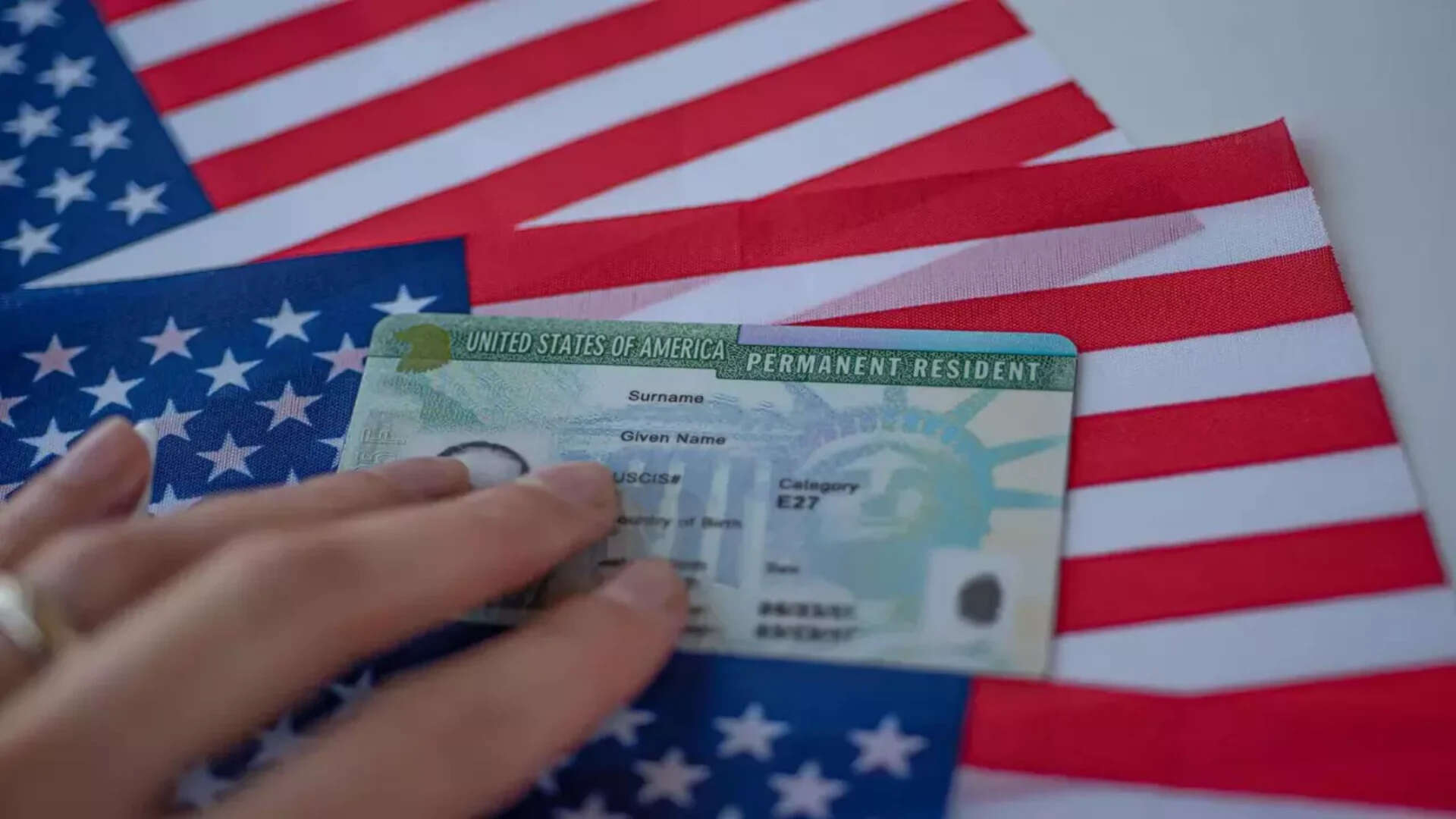
The Department of Labor is preparing a sweeping overhaul of the 20-year-old Program Electronic Review Management regulatory framework, introducing stricter documentation standards and more aggressive scrutiny of domestic recruitment and corporate layoffs. This regulatory shift arrives as the employment-based green card pipeline faces unprecedented structural strain. For two decades, the labor certification process has relied on rules written in a different economic era. The upcoming rewrite aims to modernize how the government protects domestic labor, but it will fundamentally rewrite the compliance rules for corporate America while failing to resolve the core crisis of the immigration system.
Behind the regulatory push is an administrative desire to clamp down on perceived visa system manipulation. The administration has already reorganized the H-1B visa lottery and proposed steep increases to prevailing wage floors. Now, the permanent residency system is next. For companies seeking to retain high-skilled foreign workers, the administrative burden is about to become significantly heavier.
The Paperwork Ghost of 2004
The current rules governing how an employer proves that no qualified American worker is available for a position were codified in 2004. Think about that timeframe. Smartphones did not exist. The corporate recruitment world depended on print media and local employment offices. Yet, twenty-two years later, the law still mandates that a company place two consecutive Sunday advertisements in a newspaper of general circulation to sponsor a software engineer or data analyst.
This antiquated approach has long been an open secret among corporate lawyers and human resource managers. Everyone complies with the ritual because the law requires it, not because it yields viable candidates. The Department of Labor knows this. The agency intends to update these recruitment mechanisms to reflect modern digital job boards and modern corporate talent acquisition practices.
The policy shift will also bring much harsher rules regarding corporate layoffs. Under existing protocols, an employer that has laid off workers in a specific metropolitan area within six months of filing a labor certification must notify and consider all potentially qualified laid-off U.S. workers. The new proposal aims to expand these safeguards, increasing the documentation requirements to prove that an employer did not bypass available local talent during a corporate restructuring. For a technology sector that has experienced years of rolling workforce reductions, this shift introduces a massive compliance minefield.
The 500 Day Administrative Wall
While federal officials frame the upcoming regulatory update as a technological leap forward, the reality on the ground is defined by bureaucratic stagnation. Bureaucracy moves at its own agonizing speed. By mid-2026, the average processing time for an initial analyst review of a labor certification application has ballooned to roughly 512 calendar days.
PERM Processing Pipeline (Mid-2026 Average)
Stage 1: Prevailing Wage Determination -> 3 to 6 Months
Stage 2: Mandatory Recruitment Window  -> 2 to 3 Months
Stage 3: DOL Analyst Adjudication     -> 16 to 17 Months
Stage 4: Audit Review (If Selected)    -> Additional 6+ Months
This timeline creates a logistical nightmare for corporate immigration departments. Consider a hypothetical foreign engineer on an H-1B visa that expires after six years. If the employer does not initiate the prevailing wage request and subsequent recruitment early enough, the employee will run out of status before the labor certification is even reviewed. Companies are now forced to plan backwards from a visa holder's maximum stay, calculating multiple years of buffer space just to account for government delays.
If an application triggers a government audit, the timeline stretches even further. As of mid-2026, the Department of Labor is only reviewing audits from late 2025. This means that a minor technical error or an unconvincing recruitment report can add more than half a year of dead time to a professional's green card path. The proposed rules will likely increase the number of audits, as reviewers adjust to new, untested compliance metrics.
The Under the Radar Wage Squeeze
The procedural overhaul is not happening in a vacuum. On March 27, 2026, the Department of Labor published a separate proposed rule designed to aggressively elevate the prevailing wage minimums for both H-1B and permanent residency sponsorship. The proposed changes would increase entry-level Level I wage floors by more than 30 percent, while Level II, III, and IV tiers would see jumps exceeding 20 percent.
This creates a dual-pronged squeeze on employers. On one side, the administrative testing process will become more intrusive and complex. On the other side, the mandatory entry-level salary required to keep that foreign employee will rise sharply. The government explicitly states that this is to prevent foreign workers from undercutting domestic wages. The practical result, however, will fall heavily on startups, mid-sized engineering firms, and regional hospitals that cannot afford to arbitrarily raise entry-level tech and medical salaries by a third overnight.
Corporate compliance teams will likely look for alternative ways to bypass these wage tables. Private wage surveys and collective bargaining data remain legally permissible, but the Department of Labor has signaled that its examiners will subject non-governmental data to much more intense validation checks. The era of using private surveys as an easy workaround is coming to an end.
The Flaw That No Regulation Can Touch
The fundamental issue with the upcoming regulatory overhaul is that it addresses the wrong end of the problem. Administrative rules can alter how a company recruits or how an examiner grades an application, but they cannot fix the statutory immigration caps set by Congress. The system is choked by math, not just outdated forms.
Even if an employer completes the arduous labor certification process and secures an approval, the foreign national is immediately funneled into the multi-decade backlog of the Visa Bulletin. For workers from high-volume countries like India and China, the wait for an available green card number can span decades. No amount of administrative streamlining or enhanced modern testing at the labor certification stage changes the fact that the supply of visas is entirely mismatched with the needs of the modern economy.
By adding layers of scrutiny and stricter documentation requirements to the front end of the process, the new regulations will likely slow down filings rather than protect American workers. It creates the illusion of systemic reform while leaving the structural gridlock completely untouched. Corporate legal teams are already advising clients to expect longer initialization periods and higher compliance costs as they prepare for the formal publication of the text.
Employers have very little leverage in this scenario. They must either absorb the higher wages and administrative friction or abandon the international talent pipeline altogether. For highly skilled foreign workers, the message from the bureaucracy remains unchanged: get ready to wait longer.