The heavy brass lever sits on the Resolute Desk, or so we are led to believe. We imagine it connected to a vast, subterranean machinery that controls the price of a gallon of regular unleaded in suburban Ohio or the cost of heating a triple-decker apartment in Boston. In this collective national myth, the President of the United States simply needs to grip that handle and pull.
But the lever is a ghost. You might also find this similar article interesting: Why Trump is Right About Tech Power Bills but Wrong About Why.
If you walk into a diner in a Pennsylvania fracking town, you’ll meet people like "Jim." This is a hypothetical man, but he is built from the very real DNA of the American energy worker. Jim wears a frayed cap and carries the scent of diesel and cold wind. He voted for a change in management because he was told the "war on energy" would end on Day One. He expects his utility bills to drop like a stone and his paycheck to swell. He believes in the lever.
The reality is that the American President, regardless of their bravado or their pen-stroke power, is less like a ship’s captain and more like a man trying to steer a glacier with a toothpick. As highlighted in recent reports by The Wall Street Journal, the implications are significant.
The Ghost in the Global Machine
To understand why the new administration finds itself in a corner, you have to look past the White House fence. You have to look at the global pool. Imagine every barrel of oil produced on Earth as a single drop in a massive, interconnected Olympic swimming pool.
The United States might be dumping buckets in faster than anyone else, but the drain is controlled by a dozen hands in Riyadh, Moscow, and Tehran. When an analyst says there are "very few options" to lower prices in the short term, they aren't being pessimistic. They are reading the plumbing.
Oil is a global fungible commodity. This means a barrel pumped in the Permian Basin is tethered by an invisible, unbreakable chain to the price of a barrel pumped in the Siberian tundra. Even if we "drill, baby, drill" until the bit snaps, the immediate impact on the price you pay at the pump is negligible. Why? Because the market has already "priced in" the expectation of more supply, and more importantly, because private companies—not the government—decide when to turn the taps.
Capital is a coward.
Wall Street remembers 2020. They remember when the price of oil briefly went negative, and companies folded like lawn chairs. Today, the CEOs of Exxon and Chevron aren't looking for a pat on the back from the Oval Office; they are looking for dividends for their shareholders. They have promised "capital discipline." In plain English, that means they aren't going to flood the market and crash their own profits just to help a politician keep a campaign promise. They aren't in the business of charity. They are in the business of survival.
The Strategic Reserve Is a Spent Magazine
There was once a safety net. The Strategic Petroleum Reserve (SPR) was the ultimate "break glass in case of emergency" tool. But that glass has been broken so many times in the last four years that there are barely any shards left to sweep up.
Consider the SPR as a home’s emergency savings account. If the car breaks down, you take out five hundred dollars. If the roof leaks, you take out a thousand. But if you keep using that savings account to pay for daily groceries just to keep the mood in the house light, eventually, the account hits zero.
The previous administration utilized the SPR to blunt the spikes caused by the war in Ukraine. It worked, temporarily. But it left the cupboard bare. The new administration cannot simply "release more oil" to lower prices because there isn't enough excess to move the needle. To refill it now, while prices are volatile, would actually drive prices up.
It is a mathematical trap.
The Regulatory Snail and the Infrastructure Gap
Even if the President signs an executive order today allowing a thousand new wells on federal land, Jim in Pennsylvania won't see a difference for years.
Energy isn't a light switch. It is a marathon.
First, you have the permits. Then the environmental surveys. Then the lawsuits from NGOs that can tie up a project for a decade. But even if you cleared all that away with a magical wand, you hit the most physical of bottlenecks: the pipes.
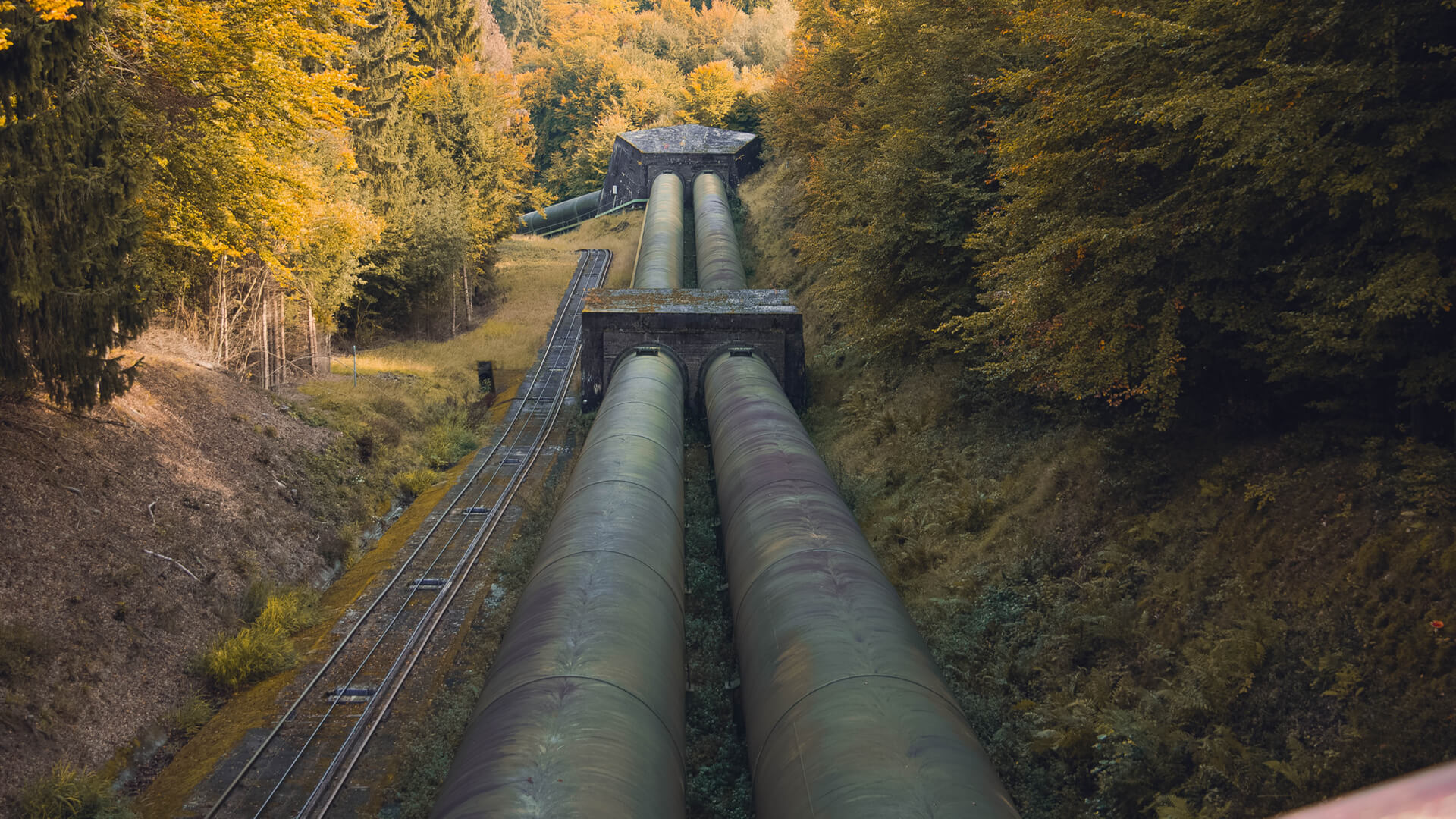
We can pull all the carbon out of the ground we want, but if we don't have the pipelines to move it to the refineries, or the refineries to turn that crude into the clear liquid that makes your SUV roar, it stays stuck. We haven't built a major new refinery in the United States since the mid-1970s. We are trying to run a 2026 economy on 1974 plumbing.
The administration can shout at the clouds, but they cannot conjure a refinery out of thin air in six months. It takes billions of dollars and half a generation to build one.
The Geopolitical Wildcard
Then, there is the chaos of the world.
The President can control the Department of the Interior, but he cannot control a drone strike in the Red Sea. He cannot control a decision by OPEC+ to cut production by two million barrels a day just to spite Western interests.
Energy prices are a fever dream of psychology and fear. If a tanker is harassed in the Strait of Hormuz, the price of gas in Kansas City goes up before the sun sets. It doesn't matter how much we are drilling at home. The fear of a "supply shock" is a contagion that no domestic policy can vaccinate against.
This is the hard truth that politicians hate to admit: The American consumer is a hostage to global stability.
The Invisible Stakes of the Transition
We are also living in a period of "energy schizophrenia."
Half the country is screaming for more oil; the other half is demanding a transition to green energy. This creates a massive uncertainty that freezes investment. If you are an energy mogul, do you spend $10 billion on a new offshore platform that won't turn a profit for twenty years, when half the political establishment is promising to make your product illegal by 2040?
You don't. You sit on your hands. You buy back your stock. You wait.
This hesitation is the silent killer of low energy prices. We are caught between two worlds—one not yet dead, and the other struggling to be born. In the gap between them, the cost of living festers.
The Human Cost of the Learning Curve
Back to Jim.
He sits at his kitchen table, looking at a heating bill that has doubled in three years. He doesn't care about "fungible commodities" or "capital discipline." He cares about the fact that he was promised a reprieve and the reprieve hasn't arrived.
The danger for any administration is the gap between the rhetoric of the "lever" and the reality of the "glacier." When a leader claims they can fix a global, systemic problem with a signature, they set a timer on their own credibility.
The short-term options are virtually non-existent. There is no secret valve. There is no hidden stash. There is only the slow, grinding work of building infrastructure, stabilizing foreign relations, and praying that no one starts a new war in a country that ends in "-stan" or sits on a coastline.
The myth of the lever is comforting. It suggests that someone is in charge, that the chaos has a pilot. But as the new administration is discovering, the cockpit is empty, and the plane is flying on an autopilot programmed by market forces that don't vote, don't sleep, and certainly don't care about the promises made on a campaign trail.
The fire is burning, and for now, all we can do is watch the gauges.
Would you like me to analyze the specific economic data regarding current US refinery capacity and its impact on regional gasoline prices?