The Bureaucratic Trap
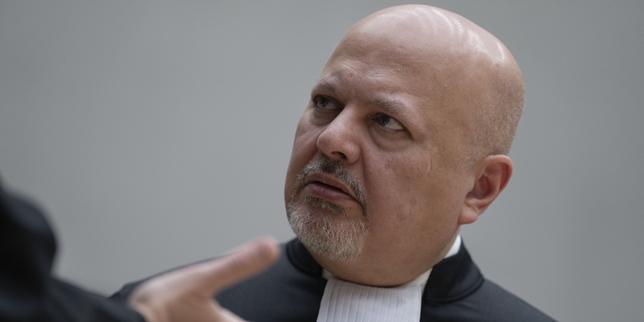
Mainstream reporting treats the suspension of the International Criminal Court’s chief prosecutor as a tragic, isolated breach of professional ethics. Headlines frame the story as a simple narrative of individual misconduct, abuse of authority, and institutional damage control.
They are missing the systemic issue entirely.
This isn’t just a story about one prosecutor overstepping boundaries with an assistant. It’s a textbook case of institutional drift—a phenomenon where hyper-specialized bodies expand their discretionary authority until internal governance mechanisms inevitably break down. When an international body operates with minimal geopolitical oversight and maximum symbolic moral authority, internal overreach is not an anomaly. It is an inevitable feature of the architecture.
The Illusion of Pure Independence
The mainstream consensus insists that the primary threat to international justice is political interference from sovereign states. Preserve the independence of the court, the argument goes, and justice will prevail.
That logic is fundamentally flawed.
Unchecked independence inside international institutions routinely breeds internal fiefdoms. When external political checks are removed under the banner of neutrality, you don't get pure, unbiased justice. You get unchecked internal administrative power.
Consider the operational reality of high-profile international tribunals:
- Minimal External Auditing: Standard employment disputes or power dynamics that would trigger immediate HR interventions in private firms are routinely buried under diplomatic immunity frameworks.
- Asymmetrical Hierarchy: In a tribunal setting, a chief prosecutor holds absolute discretion over careers, high-stakes indictments, and resource allocation.
- Moral Shielding: The elevated mission of "prosecuting global atrocities" creates an environment where internal critique is viewed as treason against the cause.
When an office is shielded by moral immunity, standard administrative accountability is the first casualty.
Dismantling the Consensus
Misconception 1: "Strict internal protocols will prevent future abuses."
Regulations do not stop power concentration. You can draft endless conduct codes, but if the prosecutor’s office retains absolute discretionary power over staff and cases without external judicial review of administrative actions, the same dynamics will reemerge.
Misconception 2: "Member states must protect the tribunal's reputation at all costs."
Covering up or quietly handling administrative overreach to preserve the "legitimacy" of international law destroys that legitimacy faster than any public scandal. Transparency isn't a threat to international tribunals; institutional opacity is.
Rebuilding Institutional Checks
If member states actually want to fix the system rather than perpetually manage public relations disasters, they must stop focusing on individual actors and start redesigning the governance framework.
- Establish Independent Administrative Oversight: Internal human resources in diplomatic bodies are inherently conflicted. Administrative grievances must be handled by an independent external body with stripping powers.
- Cap Discretionary Authority: No single official should hold unreviewable control over both prosecutorial strategy and internal administrative decisions.
- Strip Moral Immunity from Administrative Management: Prosecuting international crimes does not exempt leadership from basic labor standards and organizational ethics.
The debate currently facing member states isn't about saving face or protecting a prosecutor. It is about deciding whether international institutions answer to the law, or remain a law unto themselves.


