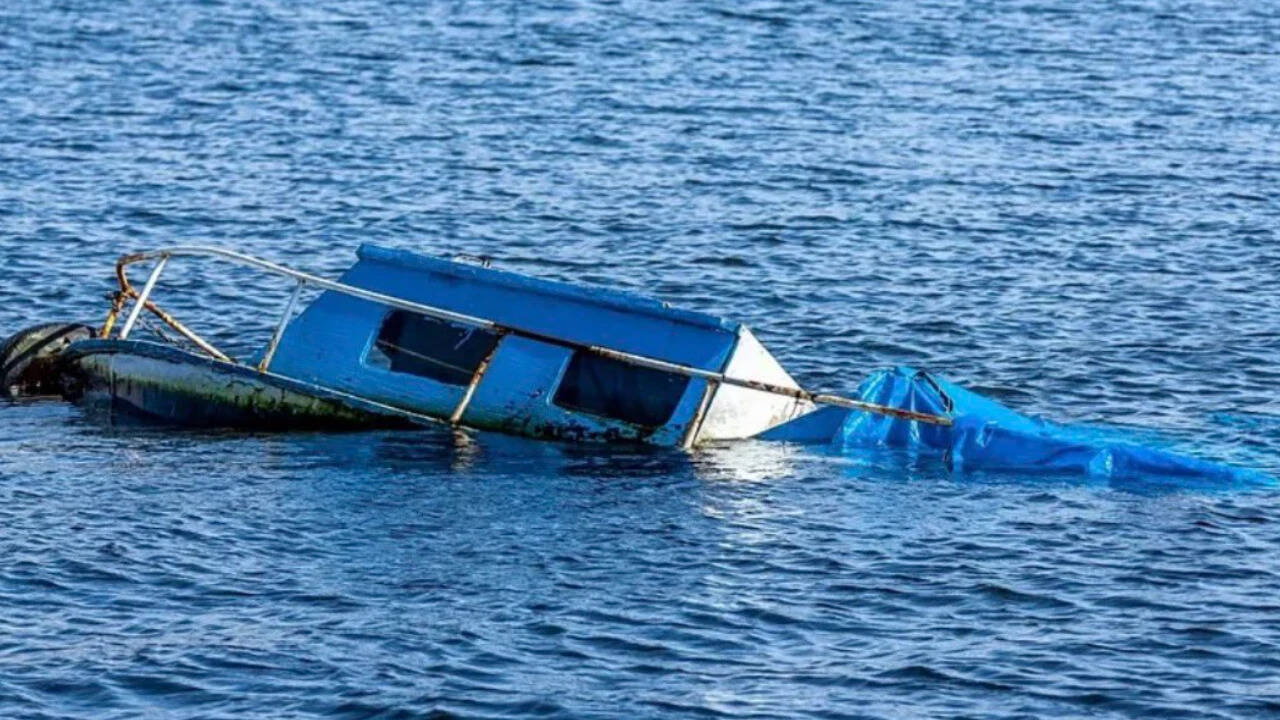
Silence.
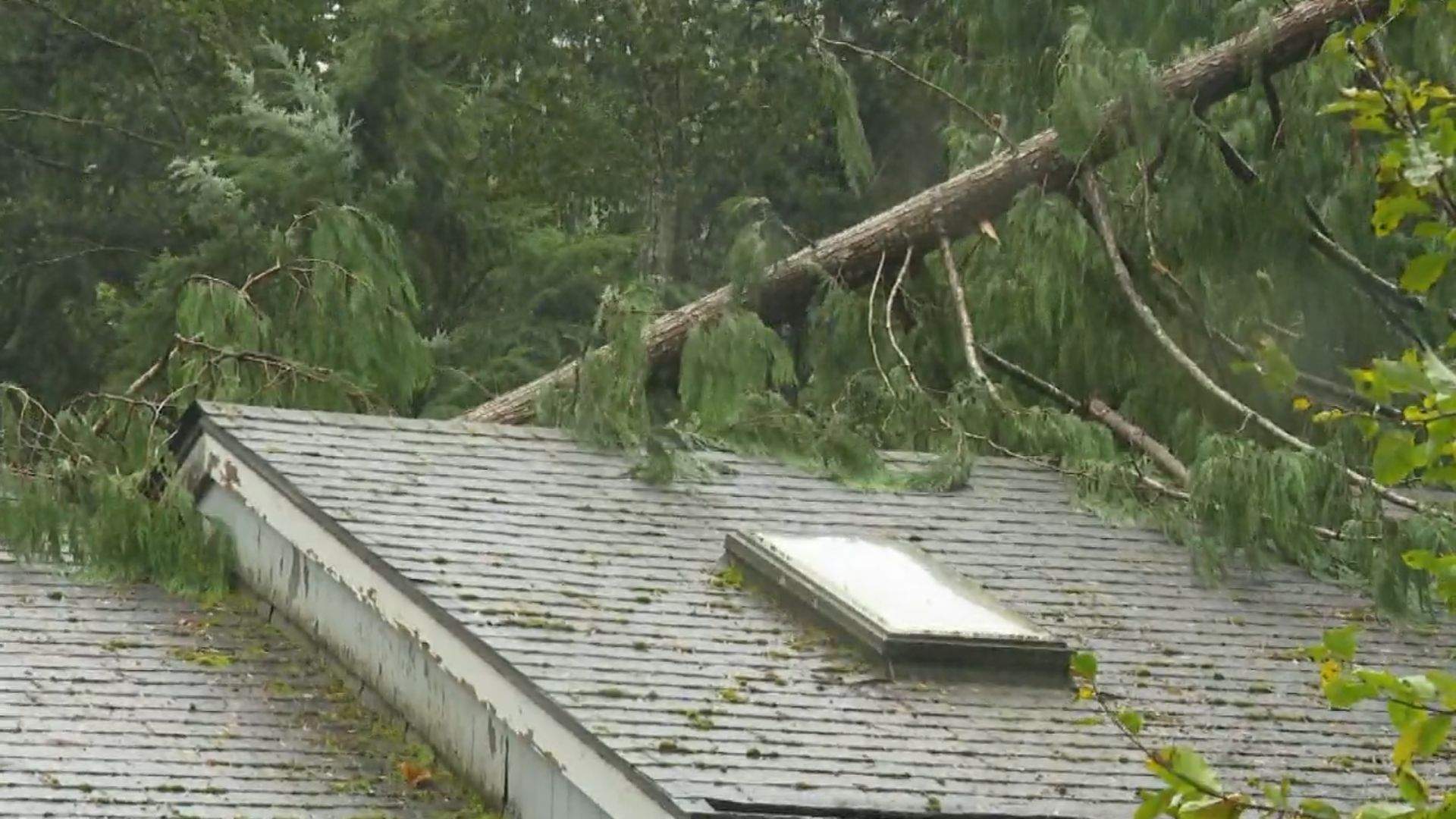
That is the first thing you notice when a Pacific cyclone tears through the coastal temperate rainforests of British Columbia and snaps the feeder lines like dry kindling. We are conditioned to expect noise during a storm—the percussive rattle of rain against double-paned glass, the low freight-train roar of hundred-kilometer-per-hour gusts funneling down the Strait of Georgia, the sharp crack of a fifty-year-old Douglas fir losing its grip on saturated soil. Yet the defining sensory experience of a major outage is not the storm itself, but the sudden, suffocating absence of the modern world’s baseline frequency. The refrigerator stops vibrating. The furnace fan winds down with a pathetic metallic sigh. The faint, high-pitched whine of a dozen plugged-in chargers vanishes all at once.
In that instant, a modern home reverts to a wooden box in the dark.
When headlines report that thousands of B.C. residents are without power as a second consecutive storm system sweeps across the South Coast, Vancouver Island, and the Interior, the numbers read like sterile box scores. Fifty thousand customers in the Lower Mainland. Twenty thousand on the Island. Another cluster scattered across the Okanagan and the Kootenays. It is easy to skim those figures over a hot cup of coffee in a heated kitchen and treat them as routine seasonal weather trivia. After all, British Columbia is defined by its rugged geography and tempestuous autumn and winter months. Windstorms are part of the coastal tax.
To understand what those numbers actually represent, however, you have to step inside the cold dark of a second-wave blackout. One storm is an inconvenience—a novelty where families light scented candles, play board games, and eat ice cream before it melts. A second storm arriving on the heels of the first, before the ground has drained and before exhausted utility crews have even finished splicing the primary transmission lines, is an entirely different animal.
Consider a hypothetical scenario that plays out across hundreds of cul-de-sacs from Nanaimo to Chilliwack every time back-to-back atmospheric rivers and windstorms collide with the coast. Meet Arthur, a seventy-four-year-old retired machinist living alone in a split-level rancher in Maple Ridge. During the first storm on Tuesday, Arthur lost power for fourteen hours. He managed fine. He wore an extra fleece sweater, ate canned soup cold from the tin, and kept his flashlight handy. By Wednesday afternoon, the lights flickered back on, the baseboard heaters began ticking as they warmed, and Arthur breathed a sigh of relief. He did not rush out to buy extra batteries or fill his bathtub with water because the crisis seemed over.
Then Thursday night arrived, carrying a second low-pressure system straight off the Pacific.
This is the hidden trap of sequential storms, a phenomenon meteorologists and emergency planners dread far more than a single isolated gale. Think of a forested coastline like an aging wooden fence standing in mud. The first storm pushes the fence sideways, loosening the posts and saturating the dirt around the base. The fence stays upright, mostly, though weakened. When the second storm hits forty-eight hours later with winds gusting over ninety kilometers an hour, the soil offers zero resistance. Trees that survived the first onslaught—shallow-rooted Western hemlocks, red cedars, and bigleaf maples—topple wholesale, dragging high-voltage distribution lines down with them into tangled, electrified webs of branches and mud.
For Arthur, the second outage at 2:14 a.m. is not an adventure. His rechargeable lantern is at thirty percent because he forgot to plug it back in after Tuesday. His house, cooled down from the first outage and never fully reheated, drops below twelve degrees Celsius by dawn. If Arthur relies on an electric oxygen concentrator, or keeps insulin in his refrigerator, or simply lacks the physical agility to navigate a pitch-black staircase without tripping, the statistical blip of "one customer affected" transforms into a quiet medical emergency.
I have lived through enough coastal B.C. winter blackouts to know the exact hour when novelty curdles into anxiety. It happens around hour eighteen. That is when the residual heat trapped in the drywall finally bleeds out into the damp night air. Your breath begins to plume faintly in the hallway. Your phone battery, which you have been hoarding like gold coins to check the BC Hydro outage map, drops into the red zone, and the cellular towers themselves begin to fail as their backup diesel generators run dry or get overwhelmed by traffic. You realize, with a sudden jolt in your stomach, just how thin the veneer of civilization really is. Everything we rely on—clean water pumped to upper floors, digital banking, communication with loved ones, basic thermal regulation—hangs from copper and aluminum wires strung through millions of acres of towering timber.
The Anatomy of a Two-Punch Grid Failure
Why does British Columbia’s electrical grid seem so vulnerable when these double storms roll through, and why can’t crews simply flip a switch to reroute power? To answer that, you have to look at the sheer physical scale of the province’s infrastructure. BC Hydro manages roughly eighty thousand kilometers of transmission and distribution lines—enough wire to wrap around the Earth’s equator twice. Much of that network snakes through mountainous terrain, dense temperate rainforests, and rocky coastal inlets where heavy bucket trucks cannot easily reach.
When a tree falls across a distribution line, it rarely causes a clean break. More often, it snaps crossarms, shatters porcelain insulators, and pulls down multiple spans of wire. Under strict safety protocols, line technicians cannot simply re-energize a circuit remotely when a fault occurs; doing so could spark a fire or electrocute a passerby near a downed live wire hidden in wet brush. Every single kilometer of a damaged feeder line must be physically patrolled, often on foot with high-powered spotlights in blinding rain, before repairs can even begin.
The arrival of a second storm compounds this logistical nightmare exponentially. During a single storm, crews work in staggered sixteen-hour shifts to clear debris and restore power in a logical triage order: first critical infrastructure like hospitals and water treatment plants, then main transmission corridors that feed thousands of homes at once, and finally the smaller residential tap lines serving a dozen houses at the end of a rural road.
When a second storm strikes mid-recovery, the triage clock resets to zero. Crews that were finally reaching those small rural tap lines must be pulled back to deal with newly severed main arteries. Worse yet, high winds force technicians out of their elevated buckets entirely—safety regulations strictly prohibit operating boom trucks when gusts exceed certain thresholds, meaning hundreds of skilled workers can only sit in idling trucks, watching trees fall faster than they can clear them.
What the Outage Map Doesn't Show
If you pull up the provincial outage map during one of these back-to-back events, your screen fills with red and orange polygons bleeding across the Fraser Valley, the Sunshine Coast, Greater Victoria, and the northern tip of Vancouver Island. Each polygon carries a neat little timestamp: Crew Assigned, or Under Investigation, or the dreaded Estimated Time of Restoration: Unknown.
Behind every single one of those polygons is a cascade of invisible economic and human costs that never make the evening news.
Walk down any commercial main street in a blackout zone and look at the small business owners standing behind locked glass doors. For an independent grocer, a butcher shop, or a neighborhood restaurant, a forty-eight-hour outage caused by sequential storms is a financial catastrophe. Commercial refrigeration units hold tens of thousands of dollars in perishable inventory. Unlike a homeowner who can toss a bag of frozen peas into a snowbank or a cooler on the porch, a restaurant owner watching walk-in coolers climb past four degrees Celsius is watching their entire monthly profit margin spoil in real time. Insurance deductibles are often too high to cover partial losses, and emergency generators capable of running commercial compressors cost tens of thousands of dollars—capital most small operators simply do not have sitting around.
Then there is the psychological toll of uncertainty. Humans are remarkably resilient when given a clear timeline. If you tell a family on Tuesday evening that their power will be back at 6:00 p.m. Wednesday, they can plan around it. They can ration their phone batteries, decide whether to book a motel room, or drive to a relative's house across town. But sequential storms destroy predictability. Restoration estimates shift forward by four hours, then eight, then vanish altogether as new outages cascade across the grid. That chronic uncertainty breeds a low-grade dread that exhausts people faster than the cold itself.
I remember sitting at my own kitchen table during a multi-day winter storm blackout a few years back, staring at a single tea light reflected in a black windowpane, feeling an irrational flash of anger at the sheer helplessness of it. You cannot argue with a fallen cedar tree. You cannot speed up a splice repair twenty feet up a slick wooden pole in driving sleet. You are forced to confront a truth that modern urban life is specifically engineered to help us forget: nature does not care about our schedules, our cloud servers, or our thermostats.
Why Burying the Wires Isn't a Magic Bullet
Whenever thousands of B.C. residents spend consecutive nights shivering in the dark, the same question inevitably dominates local talk radio and community forums: Why don't we just bury all the power lines underground?
On the surface, the logic seems airtight. Underground cables are immune to falling branches, wind gusts, and freezing rain. Many new subdivisions in Surrey, Langford, and Kelowna already feature sleek, wire-free streetscapes with underground servicing. If it works there, why not everywhere?
The reality, unfortunately, comes down to brutal physics and staggering economics. Retrofitting existing overhead distribution networks in British Columbia to run underground costs roughly five to ten times more per kilometer than maintaining overhead lines. Across a province of eighty thousand kilometers of wire—much of it resting atop solid coastal granite that requires industrial blasting just to dig a trench—the price tag would run into the tens of billions of dollars, a cost that would inevitably be passed directly onto ratepayers through massive spikes in monthly hydro bills.
Moreover, underground lines are not invincible; they simply trade one set of vulnerabilities for another. In coastal British Columbia, where intense winter storms frequently trigger severe flooding and landslides, subterranean cables and pad-mounted transformers submerged in groundwater suffer catastrophic short circuits. Worse, when an overhead line breaks, a crew can spot the snapped wire from a truck window in minutes. When an underground cable fails, technicians have to bring in specialized fault-locating equipment, excavate frozen or flooded streets, and spend days splicing heavy insulated conduits. You trade frequent, shorter outages for rare, agonizingly long ones.
Surviving the Gap Between Storms
So if the trees will keep falling and the wires will stay in the air, how do residents bridge the gap when a second storm barrels toward the coast before the first has even been cleaned up?
The answer lies in abandoning the myth of the quick fix and treating storm preparedness not as a dramatic doomsday bunker exercise, but as quiet, practical household hygiene. Emergency management agencies across British Columbia routinely urge residents to maintain a seventy-two-hour self-sufficiency kit, yet surveys consistently show that fewer than half of households actually have one assembled. We procrastinate because preparation feels tedious until the exact moment the lights go out—and by then, the hardware store aisles are already stripped bare of flashlights, D-cell batteries, and camp stove fuel.
True resilience during sequential storms comes down to a handful of unglamorous habits practiced during the brief calm between weather systems:
- Treat the lull as a hard reset, not a victory. If your power flickers back on between storm fronts, assume it will go out again within twelve hours. Immediately plug in every power bank, laptop, and rechargeable lantern. Run the dishwasher, take a hot shower, and turn your thermostat up two degrees above normal to bank thermal heat inside your walls and furniture.
- Master the micro-climate. Never try to heat an entire darkened house. Pick one interior room—ideally one with few windows and thick doors—hang heavy blankets over the glass, lay down extra rugs over bare floors, and gather the entire household inside. Human body heat alone raises the temperature of a small, sealed room significantly.
- Respect the invisible killers. Every major winter storm in B.C. brings tragic reports of carbon monoxide poisoning. Portable generators, charcoal barbecues, and camp stoves belong strictly outdoors, at least six meters away from open windows, doors, or intake vents. Carbon monoxide is colorless, odorless, and lethal within minutes in an enclosed garage or basement.
- Check the quiet doors. Technology fails, batteries die, and apps crash, but knocking on a neighbor’s door requires zero electricity. If you live on a street with elderly residents, new parents, or people with mobility challenges, a two-minute check-in with a thermos of hot water or a spare battery pack can prevent a minor inconvenience from becoming a tragedy.
The Long Wait for the Hum
Eventually, the barometer rises. The wind shifts from a screaming southeasterly gale to a crisp, gentle northwest breeze, tearing open the heavy gray cloud deck to reveal jagged, snow-dusted mountain peaks standing sharp against a pale winter sky. Out on the highways and side streets, convoys of utility trucks—many brought in from neighboring provinces and states through mutual aid agreements—grind steadily through the wreckage, chainsaws whining, winches groaning, lifting heavy timber off shattered crossarms.
Inside thousands of homes across British Columbia, people wait in wool socks and layered sweaters, listening intently to the silence.
And then, without warning, it happens. A faint click echoes from the breaker panel in the basement. A digital clock on the microwave flashes 12:00 in bright green neon. Down in the kitchen, the compressor on the refrigerator shudders, catches, and settles back into its steady, familiar, mechanical hum—the quietest, most comforting sound in the world.