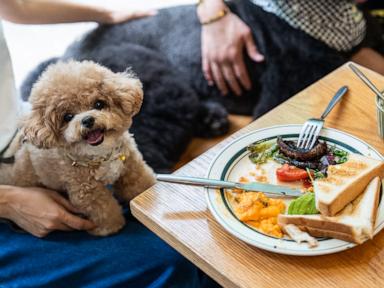
The feel-good narrative dominating Hong Kong’s food and beverage commentary right now is a lie.
Commentators are cheering over the city’s relaxed stance on allowing dogs into dining establishments. They paint a picture of a progressive, pet-friendly utopia where cafes effortlessly blend canine companionship with latte art. They claim this regulatory shift will throw a lifeline to a struggling F&B sector battered by cross-border spending and changing consumer habits.
They are completely wrong.
This policy shift is not a savior. For the vast majority of Hong Kong restaurateurs, inviting dogs inside is an operational trap that will alienate high-spending human customers, inflate insurance premiums, and destroy thin margins. The lazy consensus assumes that more feet—or paws—in the door automatically equals more profit. It does not.
I have spent fifteen years managing high-volume hospitality concepts across Asia, navigating tight footprints and unforgiving overheads. Here is the brutal reality the optimists are ignoring: Hong Kong’s physical infrastructure and dining culture are fundamentally incompatible with the western idealized version of pet-friendly dining.
The High Cost of the Pet-Friendly Illusion
Proponents argue that welcoming dogs opens up a massive, untapped demographic of affluent pet owners. Let us look at the actual numbers and mechanics of a Hong Kong dining room rather than relying on wishful thinking.
The average table turnover rate in a high-rent district like Central or Causeway Bay dictates profitability. To survive on a standard 600-square-foot floor plan, a restaurant must optimize every square inch.
When a customer brings a medium-sized retriever or even a hyperactive French bulldog into a packed space, the physical dynamic changes completely:
- The Footprint Tax: A dog does not just sit under a table. It occupies aisle space, blocks service lanes, and reduces the total number of tables a floor manager can squeeze into a zoning blueprint.
- The Pacing Drag: Pet owners do not eat and leave. They linger. They settle in, take photos for social media, and treat the venue like a dog park. Table turnover plummets by an estimated 25% to 35% when pets are introduced to the table dynamic.
- The Service Friction: Waitstaff navigating tight spaces with hot liquids cannot afford to dodge a sudden movement from an animal.
Imagine a scenario where a server trips over a leash while carrying a boiling hot bowl of wonton noodles or a sizzling cast-iron skillet. The liability shifts entirely to the operator. Insurance underwriters in Hong Kong are already adjusting risk profiles for venues opting into these pet licenses. Your premiums will spike long before your revenue does.
The Myth of the Monolithic Customer Base
The biggest mistake a business can make is misidentifying its core profit engine. Pet owners are vocal, highly visible, and excellent at creating social media engagement. But they do not represent the silent majority of high-spending diners who keep restaurants alive during peak corporate lunch hours or premium dinner services.
Hong Kong remains a densely populated city with a significant portion of the population that is culturally averse to dining alongside animals. Whether due to hygiene concerns, allergies, or genuine phobias, a meaningful percentage of your traditional customer base will quietly walk away the moment they see a dog shaking dander near the open kitchen counter.
You are effectively trading high-margin, fast-turning corporate spenders for low-margin, slow-turning pet influencers who order a single iced Americano and sit for two hours.
Hygiene Regulations Meet Reality
The Food and Environmental Hygiene Department (FEHD) may have relaxed certain restrictions, but they have not eliminated the stringent sanitation codes that govern commercial kitchens.
The public believes a relaxed ban means a free-for-all. It does not. Operators are still strictly liable for contamination.
Consider the immediate operational burdens:
- Air Filtration Requirements: Dogs shed. In a closed, air-conditioned environment typical of Hong Kong’s humid climate, dander enters the HVAC system instantly. To maintain basic air hygiene, operators must invest in industrial-grade HEPA filtration systems and double their cleaning frequency for air ducts.
- Staff Allocation Pitfalls: Cross-contamination is an operational nightmare. A staff member cannot pet a customer's dog and then pick up a plate of food without a full sanitation protocol. In a fast-paced, understaffed kitchen environment, enforcing this level of discipline is nearly impossible.
- The Sanitation Premium: Cleaning up after an "accident" on a porous terrazzo or concrete floor during a busy Friday night service requires stopping operation in that zone entirely, chemical treatment, and immediate staff diversion.
If you run the math on the extra labor hours required to maintain impeccable hygiene standards under these conditions, the marginal revenue brought in by the pet community is wiped out instantly.
The Right Way to Handle the Pet Boom
Am I saying you should ignore pet owners entirely? No. I am saying you should stop trying to turn a cramped indoor dining room into a dog cafe.
If you want to capitalize on this demographic without destroying your business model, you must use a completely different playbook:
- Strict Architectural Separation: Only utilize outdoor terraces or purpose-built semi-outdoor transition zones for guests with animals. If your real estate does not have an outdoor component, do not force it.
- The Premium Upcharge: If a pet occupies space that could be used for a human diner, charge for it. Introduce a pet-seating fee or a mandatory minimum spend for pet-accompanied tables to offset the slower turnover rate.
- Optimized Menus: Do not offer complex, multi-course dining to tables with dogs. Keep the menu lean, fast, and high-margin. Think pre-packaged premium pet treats alongside quick-service human items that keep the table moving.
Stop Chasing Trends That Kill Margins
Every few years, the Hong Kong dining scene latches onto a regulatory shift or a global trend and proclaims it the future of the industry. We saw it with the food truck craze, which collapsed under the weight of bureaucratic reality and poor location scouting. We see it with over-hyped pop-ups that fail to convert temporary buzz into sustained cash flow.
Allowing dogs into indoor dining spaces is the latest distraction. It shifts the focus away from what actually saves a restaurant: flawless execution, rigorous cost control, menu engineering, and exceptional hospitality for human beings.
If you are a restaurateur struggling to stay afloat in the current economic climate, do not look at this policy change as your golden ticket. Look at it as a high-risk operational pivot that requires massive capital, increased labor, and a willingness to alienate your traditional customer base.
Leave the dogs to the specialized pet boutiques and the expansive country parks. Keep your dining room focused on the people who actually pay the bills.