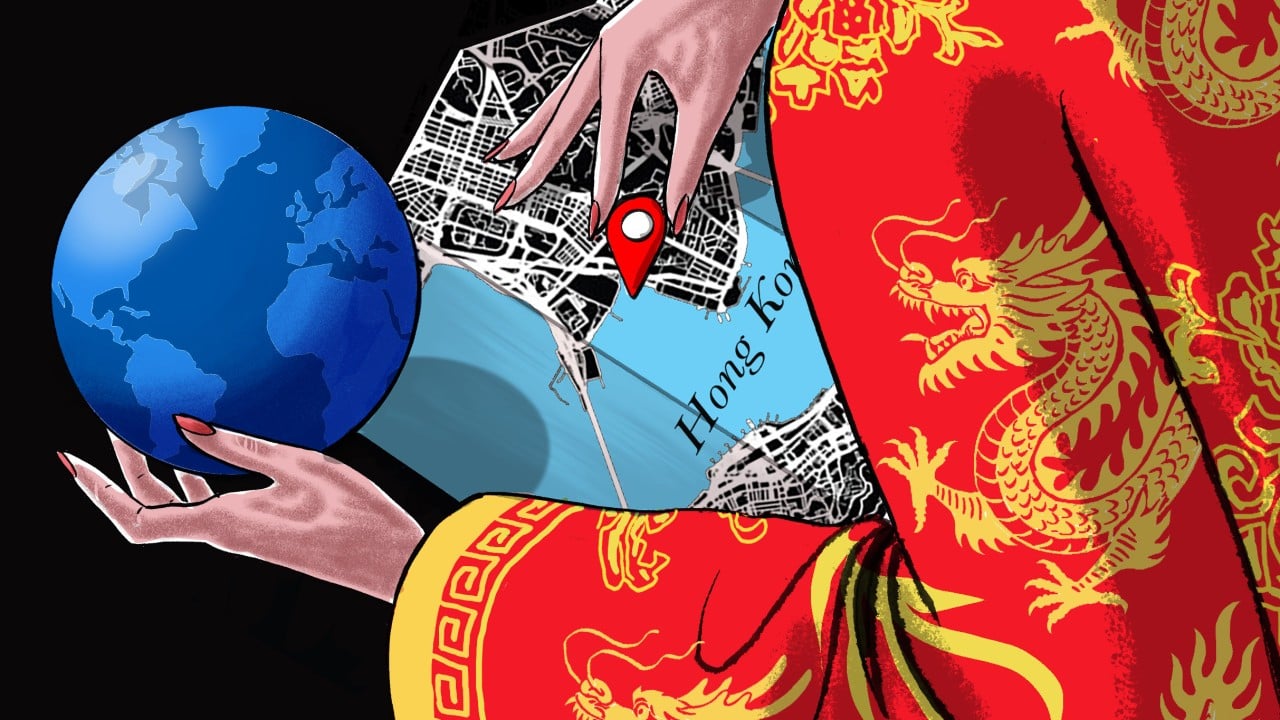
Hong Kong's cultural identity is stuck in a loop. For years, we've leaned on the "East meets West" cliché like a crutch, but that phrase has lost its teeth. If you walk through West Kowloon or browse the galleries in Central, you see the infrastructure of a world-class arts hub. The buildings are magnificent. The collections are expensive. Yet, there’s a nagging feeling that we're performing culture rather than living it. To truly realize Hong Kong’s potential, we have to stop looking inward at our own history and start engaging with the world as a peer, not just a middleman.
The problem isn't a lack of talent. It's a lack of audacity. We’ve spent so much time worrying about preserving "traditional" Hong Kong that we’ve forgotten culture is a living, breathing thing that needs fresh air to survive. Without a global vision, we're just a museum of what used to be.
The Infrastructure Trap and Why It Isn't Enough
We have the M+ Museum. We have the Hong Kong Palace Museum. These are billion-dollar statements of intent. They’re impressive, sure, but buildings don't create a cultural Renaissance. People do. Right now, there’s a gap between the elite art world and the guy selling noodles in Sham Shui Po. A global vision means bridge-building. It’s about making Hong Kong a place where a digital artist from Berlin feels as at home as a Cantonese opera singer.
Investing in "hardware" is the easy part. Any city with a massive budget can buy a Picasso or build a starchitect-designed shell. The "software"—the community, the risk-taking, the weird experimental underground scenes—is what actually defines a global city. If we don't protect the small, messy spaces where art actually starts, the big shiny museums will eventually just be empty monuments to missed opportunities.
I’ve seen this happen in other cities. They build the district, they invite the big brands, and then they wonder why the "vibe" isn't there. The vibe comes from friction. It comes from local artists arguing with international curators. It comes from the global and the local bumping into each other in ways that aren't always polite or curated.
Stop Being a Middleman and Start Being a Creator
For decades, Hong Kong's superpower was its role as a gateway. We were the door to China and the window to the West. That was a great business model for logistics and finance. It’s a terrible model for culture. When you’re just a middleman, you’re replaceable. If another city becomes a better gateway, you lose your relevance.
To reach our potential, we need to shift from being a platform to being a protagonist. This means producing content that the world wants to consume, not just hosting the auctions where other people's art is sold. Think about South Korea. They didn't just build nice theaters; they exported a lifestyle. They took their local stories and gave them a global polish.
Hong Kong used to do this. In the 80s and 90s, our cinema was the global gold standard for action and style. Directors like Wong Kar-wai didn't just make "Hong Kong movies"; they made movies that changed how people in New York and Paris saw the world. We need that swagger back. We need to stop asking "Will this be accepted locally?" and start asking "Will this resonate globally?"
The Education Gap is Killing Our Creativity
Our school system is built for exams, not for expression. You can't tell a kid to follow a rigid rubric for twelve years and then expect them to become a groundbreaking designer or a disruptive novelist at age twenty-two. A global vision starts in the classroom.
We need to stop treating the arts as a "soft" subject or a hobby for the wealthy. In a world where AI can handle the logic and the data, creativity is the only unique value humans have left. If Hong Kong wants to be a cultural powerhouse, we have to celebrate the kids who fail math but can compose a symphony or code a virtual world.
International collaboration shouldn't just be for established pros. It should be baked into how we learn. Imagine exchange programs that aren't just about sitting in a different classroom, but about co-creating projects with students in Lagos, London, or Lima. That’s how you build a global mindset. You don't get it from a textbook. You get it from working with people who see the world differently than you do.
Why the Art Basel Crowd Isn't the Whole Story
Every year, Art Basel rolls into town, and for a week, Hong Kong feels like the center of the universe. The hotels are full, the champagne flows, and the deals are staggering. But what happens when the private jets leave?
A truly global cultural vision isn't a seasonal event. It’s a 365-day commitment. We need to look at how we support our year-round ecosystem. This means affordable studio spaces. It means grants that don't come with a mountain of soul-crushing paperwork. It means acknowledging that a street artist has as much to contribute to our global image as a world-renowned cellist.
There’s a tension here, obviously. Space in Hong Kong is at a premium. Every square foot is a battle between a developer and a dream. But if we keep choosing the developer every single time, we’ll end up with a city that is rich in capital but bankrupt in character. We need to be intentional about carving out "unproductive" spaces where culture can actually grow.
Digital Sovereignty in the New Cultural Age
We aren't just competing with Singapore or Shanghai anymore. We’re competing with the internet. A kid in Mong Kok is watching the same TikToks as a kid in Miami. The "global" part of the vision is already here whether we like it or not.
The question is whether we’re going to be passive consumers of global digital culture or active creators of it. Hong Kong has a unique aesthetic—the neon, the density, the verticality. It’s a cyberpunk dream that creators around the world copy. We should own that. We should be the leaders in merging physical art with digital tech.
Whether it's through gaming, virtual reality, or new forms of digital media, we have the technical infrastructure to lead. But we need to get over our obsession with "traditional" formats. A world-class video game is just as much a cultural export as a prize-winning novel. Probably more so in 2026.
The Talent War is Real
We have to be honest. Talent is mobile. The best creators can live anywhere. If Hong Kong becomes too expensive, too restrictive, or too insular, the talent will leave. It's already happening in some sectors.
To keep the best people here—and to attract the best from abroad—we need more than just low taxes. We need a sense of possibility. We need an atmosphere where "new" isn't a scary word. A global vision means being a magnet for the world’s rebels and dreamers. If we only attract the "safe" talent, our culture will become boring. And boring is the death of any global city.
Look at London or New York. They aren't great because everyone there is "British" or "American." They're great because they're a mess of different cultures, ideas, and languages all fighting for space. Hong Kong needs to embrace that mess. We need to make it easier for international artists to get visas, to start businesses, and to integrate into the local scene.
What You Can Do Right Now
If you're a creator, stop waiting for permission. The gatekeepers are less powerful than they’ve ever been. Start collaborating with someone outside your bubble. If you’re a designer, find a coder in Tokyo. If you’re a musician, find a producer in London. Use the tools at your disposal to build your own global network.
For the rest of us, it’s about where we put our attention and our money. Support the local independent galleries. Go to the weird experimental theater show in an industrial building in Kwun Tong. Demand more from our public institutions. Don't just settle for the "safe" blockbuster exhibitions.
The potential is there. The money is there. Even the buildings are there. Now we just need the courage to look past our own borders and join the global conversation as an equal partner. It's time to stop talking about being a bridge and start being the destination.
Start by auditing your own cultural diet. If everything you consume is local or curated by the same three big organizations, you’re part of the bubble. Break it. Find a creator from a country you’ve never visited and see what they’re making. Then, think about how that connects to what’s happening on your own street. That’s where the global vision starts—not in a government office, but in the way we choose to see the world.