Hong Kong is trapped in a nostalgia loop, and it is suffocating the very creativity it claims to protect.
The prevailing cultural narrative argues that the salvation of Hong Kong’s creative identity lies in its homegrown, micro-local brands. The romanticized ideal of the boutique design house in Sham Shui Po, the artisanal milk tea startup, or the indie streetwear label trying to resurrect 1980s neon aesthetics is peddled as the antidote to economic stagnation. For a deeper dive into this area, we suggest: this related article.
This is a delusion.
The hyper-fixation on "localism" as a virtue in its own right is actively sabotaging Hong Kong's position as a global cultural capital. By retreating into insular, hyper-niche cultural bubbles, local brands are failing to scale, failing to compete internationally, and failing to offer anything more than shallow sentimentality to a shrinking domestic audience. To get more context on this topic, comprehensive reporting can be read at Financial Times.
The Trap of Commercialized Nostalgia
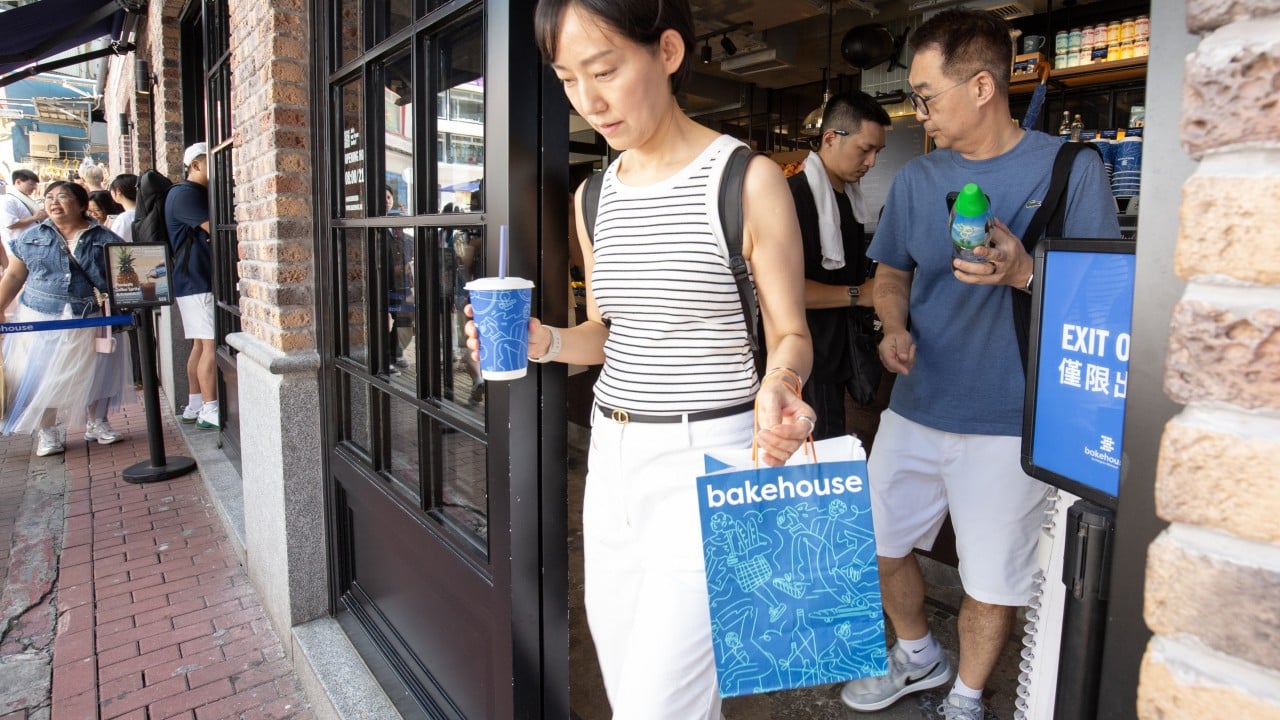
Walk through any trendy retail complex in Mong Kok or Causeway Bay and the pattern becomes glaringly obvious. Local branding has largely devolved into a competition over who can remix colonial-era imagery, neon typography, and estate-housing iconography most effectively.
This isn't innovation. It is taxidermy.
When a creative economy relies on looking backward, it stops producing anything relevant for the present. I have spent fifteen years analyzing regional market shifts, and the pattern is unyielding: brands built entirely on shared cultural trauma or hyper-local inside jokes cannot survive outside their birth zip code.
The Scale Deficit
The numbers simply do not add up. Hong Kong’s domestic market sits at roughly 7.5 million people. A local brand that builds its entire identity on hyper-specific Hong Kong cultural tropes immediately caps its total addressable market (TAM).
Consider the operational reality:
- High Real Estate Costs: Hong Kong consistently ranks among the most expensive retail markets globally. Commercial rents demand high-volume turnover.
- Low Scalability: Micro-brands relying on local sentimentality rarely build supply chains capable of cross-border expansion.
- Nostalgia Fatigue: Consumers eventually tire of buying the same vintage aesthetic repackaged in different formats.
When you celebrate a brand simply because it is "local," you lower the bar for execution. You reward sentimentality over substance. The result is an ecosystem of fragile, subsidized entities that collapse the moment they face real international competition.
The South Korea Counter-Example
To understand why Hong Kong’s current approach is failing, look at how Seoul engineered its global cultural dominance.
South Korea did not achieve cultural hegemony by selling insular Korean nostalgia to Koreans. In the late 1990s, the country systematically restructured its creative output to be explicitly export-driven. They standardized talent development, embraced massive corporate backing from chaebols, and designed products—from cosmetics to pop music—with a global audience in mind from day one.
| Metric | Hong Kong Localism Model | South Korean Export Model |
|---|---|---|
| Primary Audience | Domestic / Hyper-Local | International / Borderless |
| Funding Structure | Micro-grants, Crowdfunding | Corporate Venture, State-Backed Funds |
| Design Language | Retro, Nostalgic, Inward-looking | Futurist, Hyper-modern, Accessible |
| Growth Strategy | Niche preservation | Mass market penetration |
Hong Kong brands view corporate scale as an enemy of authenticity. South Korea viewed corporate scale as the delivery vehicle for culture. Until Hong Kong creatives stop viewing commercial viability as a artistic compromise, they will remain confined to weekend pop-up markets.
Dismantling the "Support Local" Fallacy
People often ask: Shouldn't we support local businesses to keep the city's unique identity alive?
The question itself is flawed. It assumes that identity is a static museum piece that needs preservation rather than a living organism that evolves through competition. Forcing consumers to buy an inferior local product out of a sense of civic duty is economic charity, not business. It creates an artificial environment where mediocre design survives because it wraps itself in the flag.
True cultural influence requires friction. It requires putting a Hong Kong brand on a shelf in New York, Tokyo, or London and having it win purely on product quality, utility, and aesthetic superiority—not because the buyer feels sorry for the city's disappearing heritage.
The Cost of Insularity
When capital, media attention, and government grants are funneled into preserving low-yield, hyper-local projects, opportunity costs skyrocket. Resources are diverted away from high-growth sectors like digital media production, global fashion logistics, and cross-border consumer technology.
Imagine a scenario where the millions spent on micro-grants for heritage craft preservation were instead directed into funding design studios capable of building international software interfaces or regional entertainment networks. The former keeps Hong Kong stuck in a museum; the latter makes it indispensable to global commerce.
The Uncomfortable Truth About International Appeal
The local brands championed by cultural commentators are almost entirely invisible outside the city limits. They lack the structural infrastructure to manage international shipping, multi-currency localization, and cross-border marketing.
More critically, they lack narrative resonance. A T-shirt featuring a stylized graphic of a traditional pawn shop sign means nothing to a consumer in Paris or Shanghai. It relies entirely on pre-existing emotional context. If your brand requires a history lesson to be appreciated, your branding has failed.
The brands that historically put Hong Kong on the map—think of classic film studios like Shaw Brothers, or global fashion icons like Shanghai Tang in its prime—did not succeed by being small and precious. They succeeded because they took local elements and translated them into a grand, high-production-value cinematic or retail language that captivated people who had never set foot in the city.
The Playbook for Real Radical Growth
If Hong Kong wants a real creative future, it needs to stop coddling its brands and start forcing them to grow up. This requires a brutal shift in strategy.
1. Kill the Retro Aesthetic
Stop designing for 1988. The neon-and-concrete aesthetic has been strip-mined to exhaustion. Creatives must build a visual language that reflects Hong Kong’s reality as a hyper-connected, high-density, technological node. Move from nostalgia to speculative fiction.
2. Institutionalize Capital Aggregation
Micro-grants of 50,000 HKD from cultural funds do more harm than good; they prolong the agony of unviable projects. Funding bodies should pool resources to offer serious growth-stage venture capital to a select few brands that demonstrate clear international scalability. Pick winners based on metrics, not emotional narratives.
3. Embrace the Mainland Supply Chain
The ideological resistance among some local creatives to utilize the manufacturing and tech ecosystems of the Greater Bay Area is operational suicide. Shenzhen and Guangzhou offer the most sophisticated prototyping and supply chain infrastructure on earth, sitting right on Hong Kong's doorstep. Refusing to utilize this network out of a desire for "pure" local production guarantees structural irrelevance.
The Risk of the Open Market
To be clear, shifting away from the protectionist, pro-local mindset carries immediate risks. Many beloved neighborhood brands will go under. The artisanal markets will thin out. The comforting illusion that everyone is succeeding in their own little niche will shatter.
But that is exactly what a stagnant creative ecosystem needs. Creative destruction is the only mechanism that separates hobbyists from industry builders.
Hong Kong's creative industry does not need more cheerleaders celebrating its smallness. It needs architects willing to build empires. If the city's future depends on local brands, those brands need to stop looking inward at what they lost, and start looking outward at what they can conquer.
Stop romanticizing the struggle of staying small. Scale or disappear.