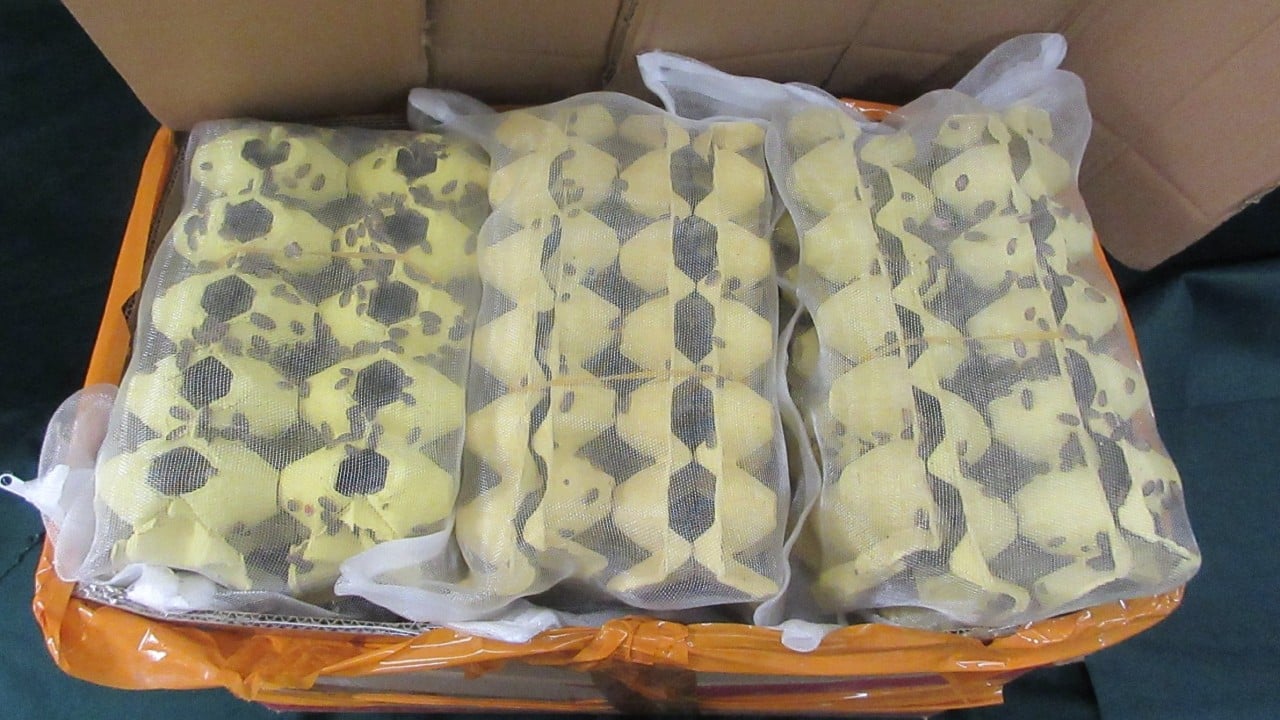
When headlines flash about border authorities intercepting two hundred crickets and thirteen kilograms of cockroaches at a checkpoint, the public collective gasps. The predictable narrative writes itself. Disgust. Panic. A sigh of relief that the vigilant state has protected citizens from creeping, crawling invaders.
That narrative is pure theatre.
I have spent years watching logistics networks operate under the pressure of archaic customs regimes. I have seen millions of dollars in functional supply chains choke to death because bureaucratic systems cannot differentiate between a genuine biological hazard and a high-value agricultural input bound for a legitimate terrarium, a reptile breeding facility, or an exotic pet market.
The lazy consensus says this seizure is a win for biosecurity. It is not. It is a symptom of a customs architecture that treats every movement of biological matter through a nineteenth-century lens, completely blind to how modern urban ecosystems actually operate.
The Biosecurity Fallacy
Let us look at the mechanics of what actually happened at that border crossing. Thirteen kilograms of cockroaches and two hundred crickets. To the uninitiated, those numbers sound like an infestation waiting to happen. To anyone who understands the scale of urban exotic pet trade, aquaculture, and zoological nutrition, those numbers represent a rounding error in a Tuesday morning delivery.
The standard justification for these seizures relies on the precautionary principle pushed to its absolute, absurd extreme. The argument runs that any uncertified import of insects risks introducing invasive species or pathogens.
This argument falls apart the moment you examine the actual vectors of ecological disruption. Invasive species do not establish footholds because a hobbyist smuggles a box of feeder roaches across a land boundary. They establish footholds through massive, systemic ballast water discharges, multi-national agricultural commodity shipping, and climate migration.
Treating a small-scale courier of live insects like a cartel kingpin is not risk management. It is regulatory displacement activity. It allows agencies to point to a pile of plastic containers and claim they are keeping the gates secure, while structural, high-volume ecological threats slip past unhindered.
The Underground Economy is a Feedback Loop
Why do these shipments happen in the first place? Why are people duct-taping insect containers to their bodies or hiding them in modified vehicle compartments?
Because the legal pathways for importing specialized feeder insects are deliberately designed to be hostile to small operators. If you want to import commercial quantities of biological materials through official channels, you need months of paperwork, layers of veterinary sign-offs, and compliance overheads that only massive corporate conglomerates can absorb.
When you choke off legal, small-batch trade, you do not eliminate the demand. You simply institutionalize the black market.
Imagine a scenario where a boutique reptile breeder in a dense urban center needs live, high-nutritional-value feeder insects to keep rare, endangered species alive. Their local supply is tapped out or prohibitively expensive. They turn to cross-border networks because the official customs process demands a multi-week permit cycle for goods with a shelf life measured in days.
The system creates its own criminals, and then celebrates when it catches them. It is an expensive, self-defeating loop.
What Real Risk Management Looks Like
If we want to stop wasting public resources on theatrical insect busts, we need to completely overhaul how border agencies classify low-risk biological goods.
Right now, customs databases treat a shipment of live crickets with the same suspicion as a crate of unvetted livestock or smuggled pharmaceuticals. That is a classification failure. We need a tiered regulatory model based on actual biological risk rather than the yuck factor of the cargo.
- Taxonomy-Based Risk Scoring: Not all insects carry the same vector potential. Common cosmopolitan feeder species that cannot survive the local climate or outcompete native fauna should not trigger the same response as agricultural pests.
- Fast-Track Traceability: Instead of outright bans and dramatic seizures, customs authorities should pilot digital pre-clearance protocols for certified breeders, allowing small-batch biological assets to clear checkpoints with verified source documentation.
- Decriminalization of Micro-Imports: Setting thresholds for personal and small-commercial use that prioritize rapid quarantine or spot-testing over automatic destruction and criminal charges.
Until we align regulatory frameworks with economic reality, border checkpoints will continue to function as medieval tollbooths, swinging wildly at shadows while the real world moves past them at high speed.
Stop pretending a box of roaches is a biological weapon. Fix the pipeline.