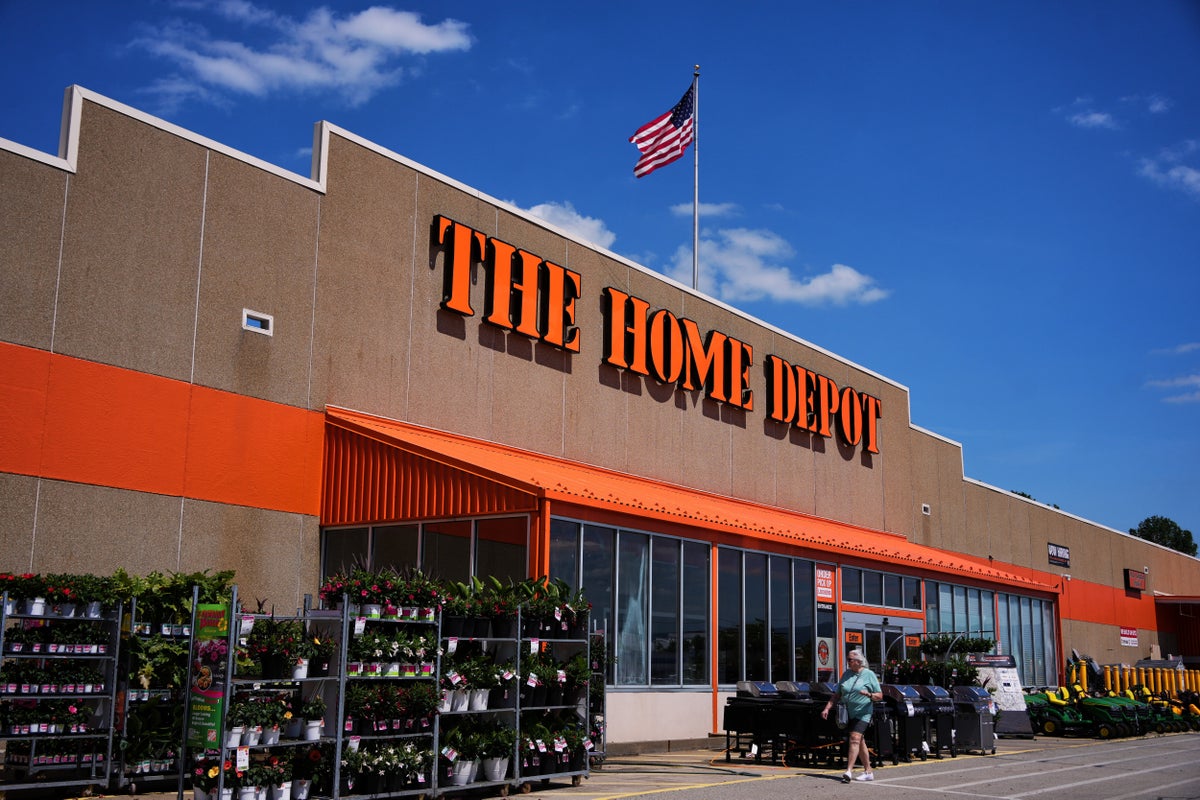
The Home Depot officially moved the goalposts on retail logistics this week by launching nationwide Express Delivery. This service promises to drop project essentials—plumbing fittings, electrical components, hardware, and paint—at a doorstep or job site in three hours or less. By transforming more than 2,000 U.S. stores into neighborhood fulfillment hubs, the retailer is effectively turning its physical footprint into a high-speed distribution network. This is not merely a convenience upgrade for weekend hobbyists. It is a calculated strike at the friction points that define the professional construction trade, where every idle minute represents a bleeding budget.
The math behind this move reflects a shift in how major retailers view their existing inventory. Historically, big-box stores functioned as showrooms and warehouses for shoppers who physically navigated the aisles. Today, those same aisles are being treated as pick-and-pack zones for a fleet of on-demand drivers. By bypassing the need for centralized, regional distribution centers to handle these small-parcel, high-urgency items, the company claims it can shave significant time off the traditional logistics cycle.
Consider a hypothetical scenario of a finish carpenter working on a kitchen renovation. He runs out of specific adhesive or a specialized trim screw at 10:00 a.m. Under the old model, he loses two hours of labor and travel time to run to the nearest store. With this new, hyper-local fulfillment model, he places an order via his mobile device and continues working, expecting the delivery to arrive before his lunch break. If the execution matches the promise, the value proposition to the professional contractor is immense. They aren't just paying a flat fee for the delivery; they are buying back their own billable hours.
Yet, this reliance on thousands of local nodes introduces a distinct set of operational dangers. A centralized warehouse is a controlled environment. A store floor, crowded with customers and cluttered with pallets, is not. The logistical complexity of maintaining accurate, real-time inventory counts across thousands of locations is notoriously difficult. If a customer orders a specific plumbing valve that the system claims is in stock but a floor clerk cannot locate in the backroom, the "three hours or less" guarantee evaporates instantly.
The strategy also exposes the firm to the volatility of gig-economy labor markets. To succeed, the company must maintain a consistent supply of drivers who are willing to navigate store pickups and urban traffic, regardless of weather or demand spikes. If driver availability dips, the service levels will crater. Unlike a standard shipping operation where packages are handed off to national carriers, this relies on a localized, last-mile effort that is difficult to scale without significant overhead.
Furthermore, the environmental and economic cost of moving thousands of small, individual packages via short-haul trips is rarely discussed in the glossy press releases. The carbon footprint of a van delivering a single box of nails is drastically higher than a consolidated truck delivery. While the customer pays a flat fee, the retailer assumes the hidden costs of store-level personnel time spent picking, staging, and verifying these orders. If the volume of these small deliveries creates bottlenecks in the aisles, the shopping experience for in-store customers—who still generate the majority of the firm's revenue—could suffer.
Retail analysts are watching closely to see if this model can turn a profit or if it will be treated as a loss-leader to lock in professional contractors who are increasingly tempted by the convenience of digital-first competitors. The decision to avoid subscription fees or membership requirements is interesting. It suggests a desire for broad adoption rather than gated exclusivity. It invites the casual DIY shopper to use the same logistical infrastructure designed for the tradesman.
Perhaps the most significant aspect of this expansion is what it says about the state of the home improvement sector. Growth in large-scale residential construction has cooled in some regions, leading many retailers to pivot toward smaller, maintenance-oriented projects. These smaller jobs are precisely where speed and availability matter most. A homeowner might wait two weeks for a new refrigerator, but they will not wait two days to fix a burst pipe. By focusing on these urgent, smaller needs, the company is insulating itself against cyclical swings in the new-housing market.
Whether this massive investment in localized, rapid-response logistics can achieve long-term sustainability depends on the grit of the execution. It requires a flawless synchronization between digital order management and physical store labor. A glitch in the app or a misplaced pallet is no longer just a minor annoyance for a shopper; it is a direct blow to a professional’s schedule. The brand is betting its reputation on the accuracy of its store-level inventory and the efficiency of its local dispatch. If the execution falters, the market will punish the company for over-promising. If it succeeds, the benchmark for retail service in the hardware industry will have been permanently altered, forcing every competitor to either mimic the costly, high-speed model or risk obsolescence. The transition from being a destination to being a distribution hub is now complete, and the stakes for the firm have never been higher.