The silence in the Okanagan high country right now isn't the peaceful, muffled quiet of a healthy winter. It is the sound of an empty bank account. If you stand on the ridges above Kelowna or Vernon, the air still bites, and the peaks still flash a deceptive white under the April sun. But kick at the crust and you will find the truth. The ground is hard, the snow is thin, and the "frozen water tower" that sustains this entire valley is running on fumes.
We are witnessing a forty-year low.
To understand what that means, you have to stop looking at the snow as scenery and start seeing it as a battery. Every flake that falls between November and March is stored energy, waiting to be released when the orchards wake up and the tourists arrive. This year, the battery didn't charge. Across the Okanagan, the snowpack levels have bottomed out at roughly fifty percent of their historical average. It is the leanest winter since the early 1980s, and the implications are trailing behind us like a shadow.
The Ghost of the Greata Orchard
Imagine a man named Elias. He represents a generation of growers in the valley whose lineage is tied to the silt and the sun. In a normal April, Elias would be looking at the mountains with a sense of security. He knows that as the temperature climbs, the melting snow will gravity-feed the creeks, fill the reservoirs, and eventually hiss through his irrigation lines to keep his Honeycrisp apples crisp and his peaches heavy with juice.
This year, Elias is watching the dust.
When the snowpack fails, the soil stays parched. Without that slow, steady release of meltwater, the spring rains—if they come at all—simply vanish into the cracked earth before they ever reach the roots. It isn't just about the apples. It’s about the wine industry that defines the region’s identity. The vines are resilient, but they aren't immortal. Last year’s brutal cold snaps already crippled the yields; this year’s drought threatens to starve the survivors.
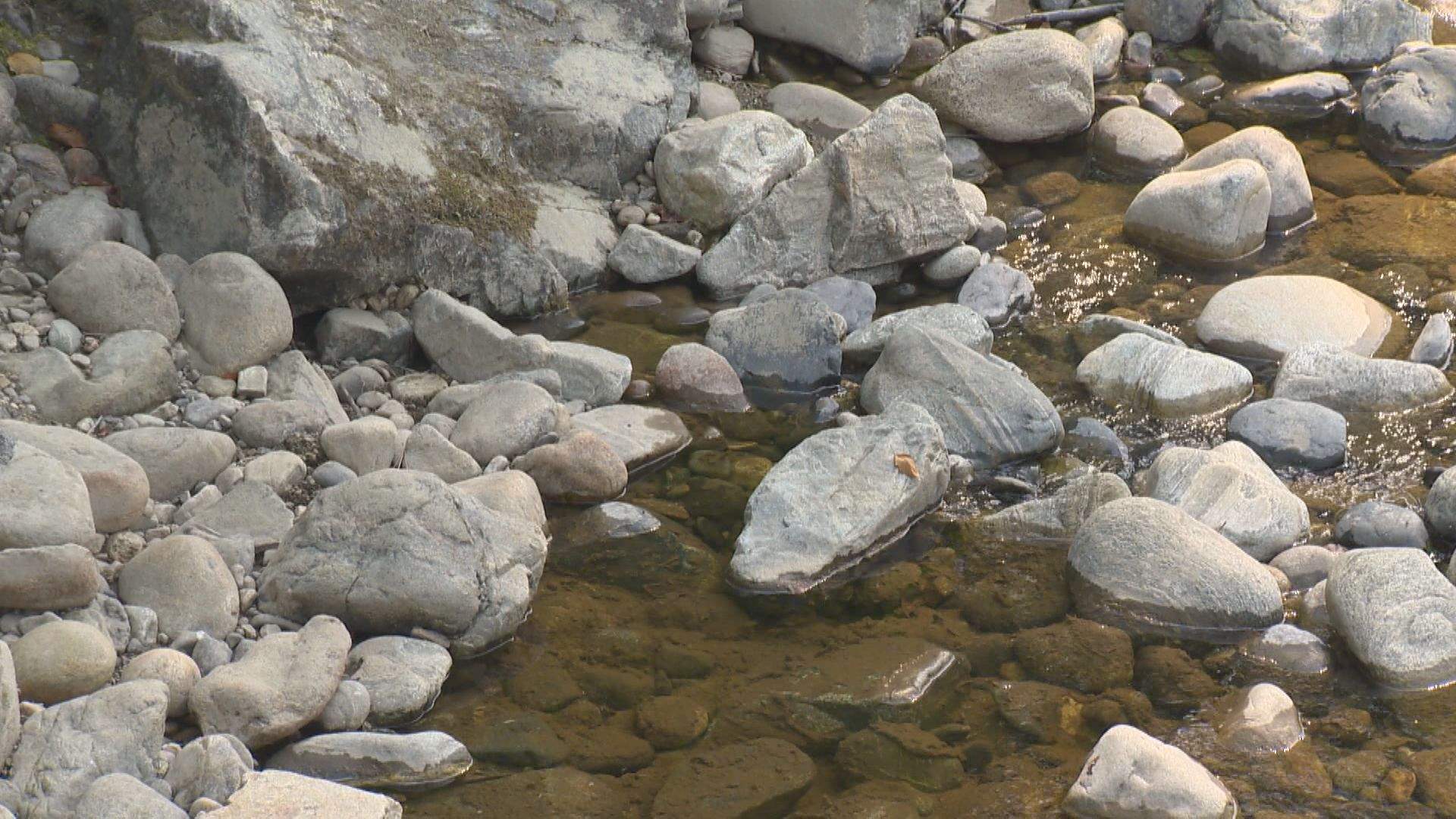
The stakes are invisible until they are catastrophic. We don't notice the missing water when we turn on the tap in May. We notice it in August when the creek beds turn into rocky graveyards for spawning salmon, and the "campfire ban" signs become permanent fixtures of the landscape.
The Arithmetic of Disaster
The numbers coming out of the British Columbia River Forecast Centre aren't just statistics; they are a countdown. The Okanagan sits at the heart of a province-wide trend, but its geography makes it particularly vulnerable. It is a rain-shadow desert that pretends to be a lush paradise. We maintain that illusion through clever engineering and a heavy reliance on the high-altitude snow.
When the snowpack hits a forty-year low, the math stops working.
Consider the "Snow Water Equivalent." This is the technical measure of how much liquid is actually trapped in the snow. A foot of light, powdery fluff contains far less water than a foot of heavy, wet "Sierra Cement." This year, we have neither the depth nor the density. The valley is facing a deficit that a few spring showers cannot fix. To get back to "normal," we would need a monsoon-level event that would likely cause flash flooding—a different kind of disaster that the parched soil isn't prepared to handle.
The heat is the other thief. If the spring stays cool, we might stretch the meager snow we have into June. But if a "heat dome" or a sudden warm spell strikes, what little remains will flash-melt. It will rush down the mountain in a week, filling the lakes briefly before evaporating or flowing south, leaving the late summer months bone-dry.
Why the Tourists Should Care
It is easy to frame this as a problem for farmers, but the Okanagan is a machine fueled by movement. People come for the shimmering blue of the lakes and the emerald green of the golf courses. They come for the "Napa of the North" experience.
But a valley in a Stage 4 drought is a different place.
The lakes are the visible heart of the region, but they are also the lowest point in the system. By the time the water reaches Okanagan Lake, it has already been used, filtered, and fought over. If the inflow from the mountains drops, the lake levels recede. Docks become islands of wood over mud flats. Boat launches are closed. The vibrant, water-heavy lifestyle that drives the local economy begins to look brittle.
There is also the specter of the smoke.
A low snowpack is the most reliable predictor of a high-stress fire season. When the high-country forests don't get their winter soak, the timber dries out by early June. The undergrowth becomes tinder. The "Invisible Stakes" mentioned earlier? That’s the smell of pine needles turning into fuel. Last year, the McDougall Creek fire showed us how quickly the paradise can turn into a charcoal sketch. This year’s snow levels suggest we are starting the season with the deck stacked against us.
The Emotional Weight of a Dry Creek
There is a specific kind of anxiety that comes with living in a valley that is drying out. It’s a low-frequency hum. You find yourself looking at the clouds with a desperate, pleading hope. You feel guilty for washing your car. You watch the water levels in your local creek like a hawk, noting the day the stones start to show through the surface.
This isn't a "future" problem. It is a today problem.
The water managers are already making the hard calls. They are balancing the needs of the fish, the needs of the farmers, and the needs of the growing cities of Kelowna, Penticton, and Vernon. In a year like this, there are no winners, only people who lose less than others.
We have spent decades treating water as an infinite resource because it looked infinite. The vastness of the mountains gave us a false sense of scale. We assumed the "tower" would always be full. But forty years of data is a loud enough alarm for anyone to hear. The tower is empty, and we are forced to realize that our entire way of life in this valley is built on a thin layer of frozen crystals that didn't show up for work this year.
The Shift in the Dirt
What happens if this isn't a one-off? What if the forty-year low is actually the new baseline?
We have to talk about adaptation, but not in the way bureaucrats do. We have to talk about it in the way a gardener talks about switching from hydrangeas to succulents. It means changing the aesthetic of the Okanagan. It means the emerald green lawns of the suburbs might have to give way to the natural, tawny gold of the bunchgrass and sagebrush that actually belong here.
It means the vineyards exploring different grape varieties that can thrive with half the water. It means the cities investing in massive water reclamation projects that seemed too expensive ten years ago but now look like bargains compared to the cost of a dried-up economy.
The drought fears aren't "ramping up"—they have arrived. They are sitting at our kitchen tables.
As we move into the heat of May and June, the eyes of the valley will stay fixed on the peaks. We will look for any sign of a lingering white patch, a tiny reservoir of hope held in the shadows of the North Shore mountains. But we must also look down at our hands and our taps. The era of the "unlimited" Okanagan is over. We are now living in the era of the precious drop.
The mountains have told us their secret. They are hollow this year. The rest is up to us.
The wind coming off the lake used to smell like damp earth and pine. This year, if you catch it just right, it smells like dust and the sharp, metallic tang of a long, hot summer. It is a warning written in the dirt. We would be wise to read it before the sun climbs any higher.