Geopolitical chess matches and Himalayan catastrophes don't usually sit in the same news cycle, but recent events have forced them together. When glaciers collapse and flash floods tear through remote mountain valleys, political posturing in distant capitals suddenly feels entirely disconnected from reality.
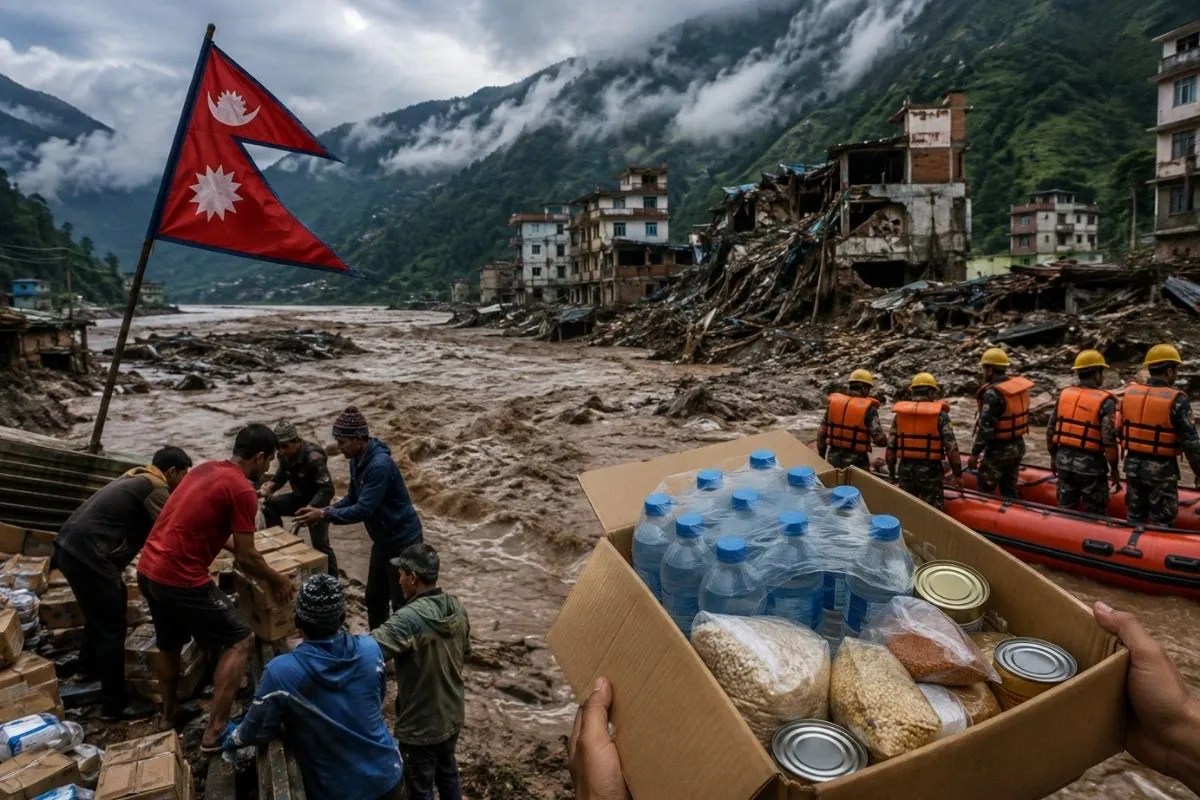
The recent disaster along the Nepal-China border exposed vulnerabilities that no amount of diplomatic preparation could outrun. A massive wall of mud, ice, and rock tore down the Trishuli River valley, claiming more than a thousand lives and obliterating infrastructure. Millions of cubic meters of water surged downstream, wiping out monitoring stations before automated alerts could even fire.
The Reality of Cross Border Climate Disasters
You can plan for economic shifts, and you can map out diplomatic summits, but nature operates on an entirely different timeline. Months before the catastrophe, officials from Kathmandu and Beijing met to discuss glacial risks and disaster data-sharing. Bureaucracy moves slowly. Glaciers do not.
When the collapse happened in late August, four key monitoring stations were instantly neutralized. The sheer volume of debris turned ordinary riverbeds into destructive battering rams.
- Hydropower stations swallowed tons of sediment.
- Dozens of kilometers of vital highways vanished.
- Thousands of people went missing or were displaced.
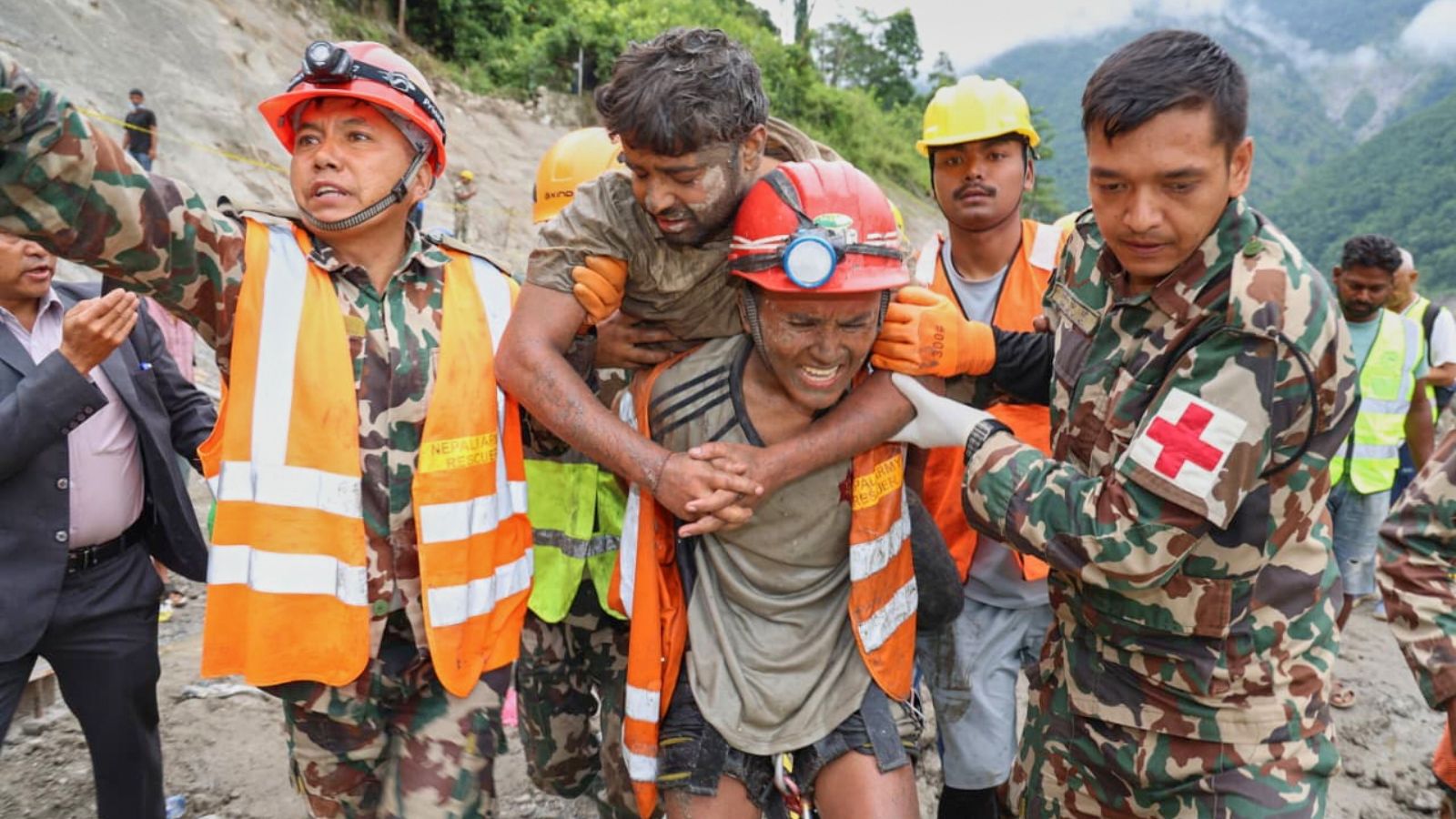
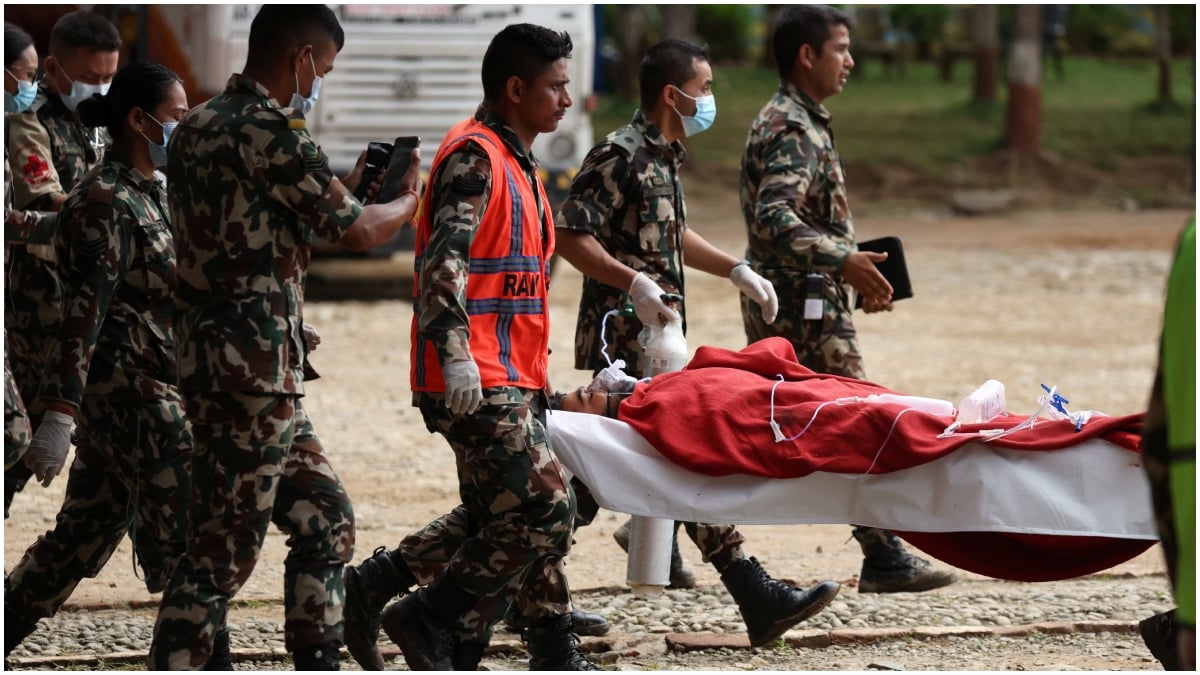
Despite the bleak odds, pockets of survival still emerge from the wreckage. Rescue crews managed to pull two trapped workers alive from a dark hydropower tunnel nearly ten days after the initial deluge. It is a rare victory in a landscape defined by staggering loss, proving that resilience persists even when early warning systems fail completely.
Diplomacy Amid Regional Upheaval
While rescue workers sift through debris in the Himalayas, global leaders are eyeing future summits with high-stakes maneuvering. Kremlin aides recently floated the prospect of a high-profile trilateral meeting involving Xi Jinping, Donald Trump, and Vladimir Putin at the upcoming Asia-Pacific Economic Cooperation forum.
These diplomatic summits grab headlines because they shape trade policies and security alliances. Yet, they contrast sharply with the grim local realities faced by communities living beneath unstable mountain peaks. High-level talks rarely translate into immediate protection for remote villages downstream from melting ice fields.
Governments across South Asia face an existential reckoning. Border regions shared by geopolitical rivals require immediate, depoliticized cooperation on environmental monitoring. Relying on slow diplomatic channels while climate instability accelerates is a losing strategy.
If you want to understand where global pressures intersect with local survival, look no further than the Himalayan borderlands. The real test of leadership isn't found in summit photo ops, but in how fast vulnerable regions can adapt to a warming planet before the next wall of water hits.
Nepal Flood: Xi Orders China To Launch All Out Rescue Efforts
This video provides on-the-ground news coverage and official responses regarding the catastrophic flash floods along the China-Nepal border.
http://googleusercontent.com/youtube_content/1