Polling booths across Assam just witnessed something historic. While the dust is still settling on the April 9 voting day, the numbers tell a story that isn't as simple as "high turnout equals change." With a record-breaking voter turnout of 85.17%, the state has shattered its own previous benchmarks. You've probably heard the old political adage: when more people vote, the government falls. But in the context of 2026, that's a lazy assumption.
Assam's political pulse is different. It's driven by intense identity debates, a massive delimitation exercise, and a Chief Minister who thrives on high-stakes optics. If you're wondering whether Himanta Biswa Sarma's grip on Dispur is loosening or if the record turnout is actually a silent wave of support for his brand of governance, you're looking at the right data points.
The Myth of the Anti-Incumbency Wave
Historically, political pundits argued that a surge in voting percentages signaled anger against the sitting government. People don't usually stand in line for hours in the Assam heat just to say "everything is fine," right? Well, not exactly. In 2021, Assam saw a massive 83% turnout, and the BJP-led alliance still cruised to victory.
This time, the 85.17% figure suggests something deeper than just anger. It shows a state that is hyper-politicized. The Special Intensive Revision (SIR) of electoral rolls and the redrawing of constituency boundaries have made every single vote feel like a survival tactic.
- The Survival Factor: Many voters, particularly in minority-dominated areas, viewed this election as a way to secure their identity following the 2023 delimitation.
- The Welfare Hook: The Orunodoi scheme and other direct benefit transfers have created a massive base of "labharthis" (beneficiaries) who might have turned out in droves to protect their monthly stipends.
- The Youth Pulse: First-time voters are no longer just looking at roads; they're looking at the massive recruitment drives for government jobs.
How Delimitation Changed the Math
You can't talk about the 2026 results without mentioning the elephant in the room: the redrawing of the map. The 2023 delimitation didn't just move lines on a paper; it shifted the power balance in at least 30 to 35 seats.
The BJP's strategy was clear—consolidate the "indigenous" vote. By merging certain constituencies and splitting others, the impact of the minority vote has been diluted in several key districts. This means even if the voting percentage goes up in these areas, the "value" of those votes in terms of winning seats might have shifted.
If the turnout in Upper Assam—the traditional "tea belt"—is significantly higher, it usually favors the incumbent or the regional AGP. If the spike is in Lower Assam, particularly in seats like Mankachar or Jaleswar, it signals a desperate push by the AIUDF or the Congress-led Morcha to hold onto their turf.
The Gaurav Gogoi Factor vs the Sarma Machine
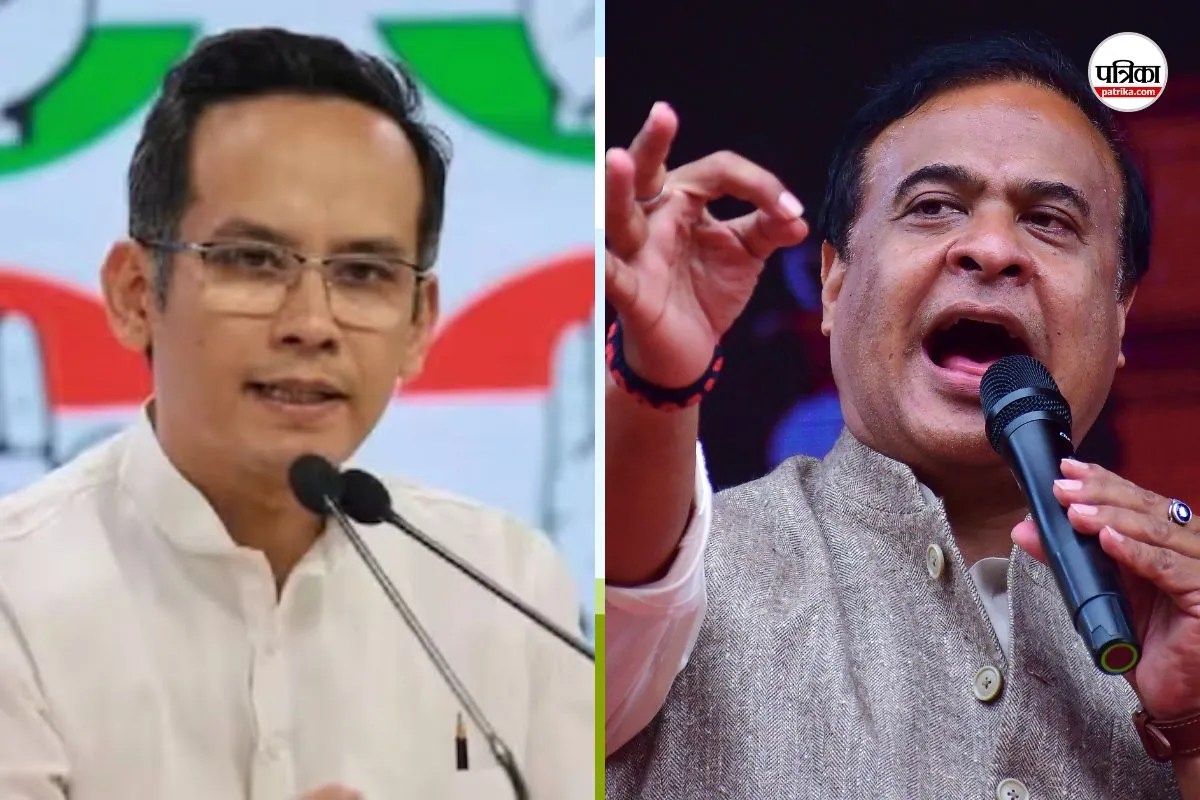
For the first time in a decade, the opposition doesn't look like a disorganized mess. Gaurav Gogoi's elevation as the face of the Asom Sonmilito Morcha has given the Congress a renewed energy. His campaign didn't just focus on "secularism"; it focused on the rising cost of living and the "syndicate" culture.
On the other side, Himanta Biswa Sarma has turned electioneering into a 24/7 administrative exercise. He isn't just a politician; he's a Chief Minister who acts like a campaign manager. The high turnout could be a response to his relentless "Double Engine" narrative.
Key Battlegrounds to Watch
- Jorhat: A prestige battle for Gaurav Gogoi where high turnout could mean a shift in the tea-tribe sentiment.
- Jalukbari: The CM's stronghold. Any dip or massive spike here will be analyzed for years.
- The Bodoland Belt: With the UPPL leaving the NDA recently, the BPF's performance under Hagrama Mohilary becomes the kingmaker variable.
Deciphering the Silent Voter
Don't be fooled by the loud rallies. The 2026 election will be decided by the people who didn't say a word to the news cameras. In Assam, there's a tradition of "silent voting," where communities decide their leanings in closed-door meetings days before the poll.
High turnout often hides these internal shifts. Are the women voters, who have been the biggest beneficiaries of state schemes, voting for the person who signed the checks? Or are they voting based on the skyrocketing price of mustard oil and LPG? Honestly, the "kitchen budget" often overrides the "identity" narrative when the curtain is drawn in the voting booth.
What Happens on May 4
The EVMs are sealed, and the long wait for the May 4 counting day has begun. If the BJP manages to keep its tally above 60, it will prove that their governance model is turnout-proof. If they slip below the 50-mark, it'll show that even the best-oiled political machine can't ignore the grassroots economic pain.
If you're tracking the results, keep a close eye on the "margin of victory" in the first five rounds of counting. In high-turnout elections, narrow margins often flip in the final rounds, leading to the kind of nail-biting finishes we haven't seen in Assam for a while.
Get ready for a long month of speculation. The numbers are in, but the soul of Assam’s next government is still locked in those black boxes. If you want to stay ahead of the curve, stop looking at the state-wide average and start looking at the district-wise breakdowns of the tea-tribe versus the urban middle-class turnout. That's where the real story lives.