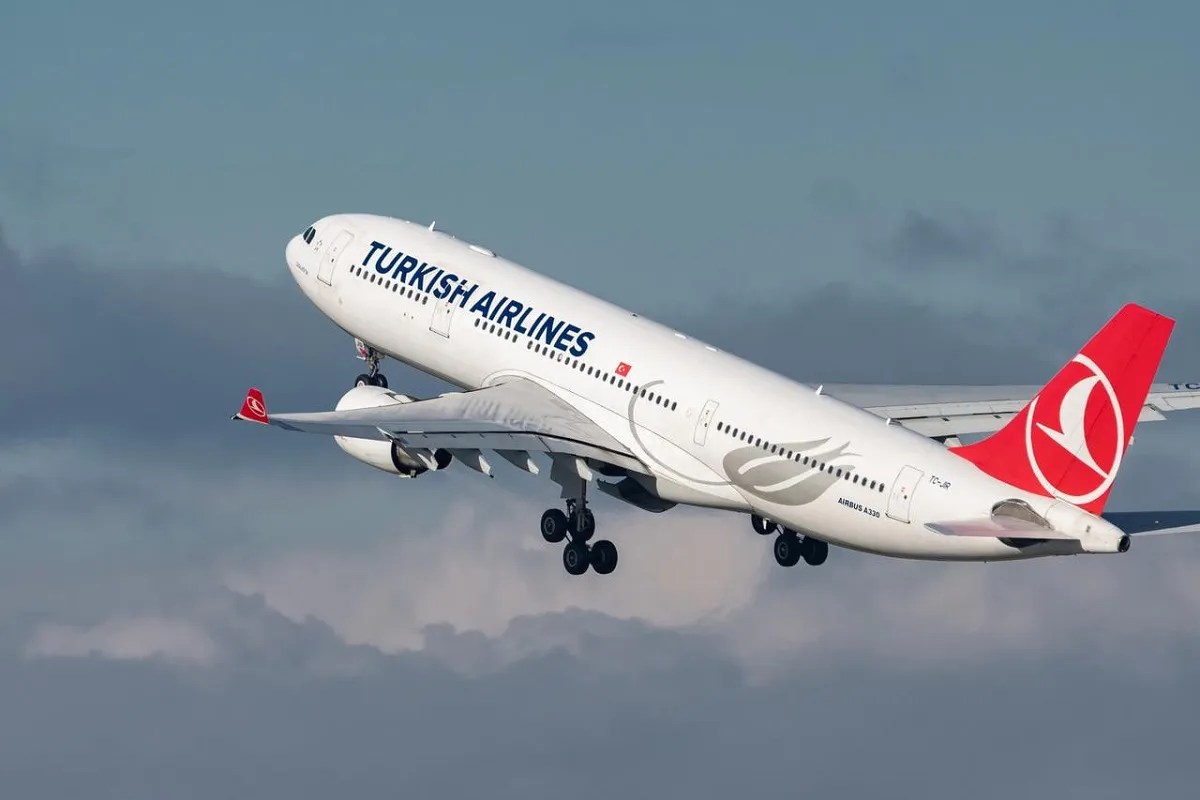
A Turkish Airlines flight recently suffered a severe ground disruption when aircraft sewage leaked directly into the passenger cabin before takeoff, forcing an immediate halt to the flight. While local media treated the incident as a bizarre, isolated mishap, aviation mechanics and fleet analysts recognize it as a symptom of a much larger pressure cooker inside commercial airline operations. When a modern aircraft vacuum toilet system fails, it is rarely a simple case of a clogged pipe. It is the result of compounding maintenance pressures, quick turnaround demands, and the unforgiving physics of high-altitude plumbing.
The True Anatomy of an Altitude Waste Failure
Commercial aircraft do not use gravity-fed toilets like a standard household. They rely on differential pressure and high-velocity vacuum systems to move waste at speeds exceeding 100 miles per hour through a network of titanium or composite lines to a rear waste tank. On the ground, this vacuum is created mechanically by an electrically driven blower. In flight, the system utilizes the natural pressure difference between the pressurized cabin and the thin outside air. You might also find this related coverage useful: Spain Weather Volatility Exposes Fragile Tourism Infrastructure.
When a leak occurs inside the cabin rather than safely venting outside or draining into the holding tank, the breakdown can be traced to specific mechanical vulnerabilities.
- The Waste Valve Seal: Each toilet unit features a motorized flush valve with a Teflon or rubber seal. If foreign objects deform this seal, or if chemical scale buildup from hard water and blue rinse fluid prevents a flush cycle from closing completely, the vacuum pressure can reverse or cause local backflow.
- The Grey Water Cross-Connection: In rare plumbing failures, a blockage down the line can force waste backward through galley drains or floor-level drainage tracks if check valves fail to seat properly.
- Line Punctures from Scaled Corrosives: Over thousands of flight hours, a substance known as "blue ice" or calcified waste scale builds up inside the lines. If maintenance crews do not regularly perform chemical flushes, this scale hardens into a concrete-like material. When heavy blocks of this scale break loose during turbulence or abrupt altitude changes, they can crack the internal pipes.
When these systems fail on the tarmac, the cabin environment degrades within minutes. The immediate halt of the Turkish Airlines aircraft was not just a matter of passenger comfort. It was a mandatory safety response to a biohazard. Raw sewage introduces significant risks of E. coli, norovirus, and airborne pathogens into an enclosed aluminum tube. Aircraft air conditioning packs circulate cabin air continuously, meaning any airborne contaminant near the floorboards can quickly migrate throughout the entire fuselage. As reported in detailed articles by The Points Guy, the implications are worth noting.
The Cost of Ultra-Fast Turnaround Times
Aviation economic models rely heavily on keeping aircraft in the sky. An airplane only generates revenue when it is flying passengers, which has pushed airlines to squeeze ground turnaround times down to the absolute minimum. For a standard narrowbody or mid-size widebody aircraft, a ground crew may have less than 45 minutes to deplane passengers, clean the cabin, restock the galleys, refuel, and service the waste tanks.
During these frantic ground windows, corners sometimes get cut. Servicing the waste tank requires a ground handler to connect a heavy-duty hose to the aircraft's external waste panel, open the valve, drain the tank, and flush it with disinfectant. If the ground crew rushes the process, they may fail to notice a faulty tank valve closure or miss the warning signs of a slow-draining line.
A slow drain indicates that a blockage is forming deep within the fuselage. Ignoring it to meet a departure slot guarantees a critical failure on the subsequent flight.
The Regulatory and Structural Nightmare of Cabin Contamination
Once black water breaches the cabin floorboards, the damage extends far beyond what passengers can see or smell. Beneath the carpets of a commercial airliner lies a dense labyrinth of critical infrastructure.
+--------------------------------------------------+
|               Passenger Cabin Floor              |
+--------------------------------------------------+
|  [ Carpet ] -> [ Floor Panels ] -> [ Sealants ]  |
+--------------------------------------------------+
|               Corrosive Seepage Zone             |
|  - Main Avionics Wiring Bushes                    |
|  - Digital Flight Control Data Lines             |
|  - Aluminum Structural Stringers & Ribs          |
+--------------------------------------------------+
Human waste is highly corrosive to aluminum alloys. The urea, salts, and moisture present in sewage can initiate rapid localized corrosion on the aircraft's primary structural ribs and stringers if not neutralized immediately. Furthermore, digital fly-by-wire data lines and electrical buses run through conduits beneath the cabin floor. A liquid spill of this magnitude threatens to short-circuit flight-critical avionics systems, leading to uncommanded sensor readings or system failures mid-flight.
For these reasons, returning an aircraft to service after a cabin sewage leak requires an intensive, multi-layered maintenance protocol. Mechanics must pull up entire sections of carpeting and seating. They must remove the composite floor panels to inspect the underlying framework. Every affected area must be scrubbed with specialized chemical neutralizers, dried completely, and inspected with ultrasonic or eddy-current testing tools to ensure no liquid has penetrated the underlying wire bundles.
An airline facing this scenario looks at days of unplanned grounding, hundreds of thousands of dollars in maintenance labor, and massive passenger compensation payouts.
Changing Passenger Habits and the Mechanical Strain
The physical systems on board are facing unprecedented stress due to changing passenger demographics and shifting behavior. The rise of long-haul budget travel means planes are packed to maximum capacity more frequently than in decades past. More passengers per cabin naturally equates to higher usage rates for every onboard lavatory.
Simultaneously, the widespread use of non-biodegradable materials poses a constant threat to vacuum plumbing. Flight attendants regularly report that passengers flush items such as disinfecting wet wipes, cosmetic pads, diapers, and plastic wrappers down the high-suction toilets.
Unlike a municipal sewage system that can handle minor debris through sheer volume and gravity, an aircraft's narrow, pressurized lines will choke on a single solid object. Once a wipe catches on a rough patch of scale inside a pipe, it acts as a dam, trapping all subsequent waste until the pressure builds up and blows through the weakest joint in the cabin wall.
Alines have attempted to combat this with clearer signage, louder flush mechanisms, and explicit pre-flight announcements. These psychological nudges fail regularly. The mechanical reality remains unyielding: as long as passengers treat vacuum toilets like trash cans, cabin-side system ruptures will remain an ongoing operational risk.
The True Measure of Fleet Reliability
Airlines frequently point to their on-time performance metrics and high safety ratings to project an image of flawless operational health. Yet, the true state of a carrier's fleet health is found in the non-routine maintenance logs. Frequent lavatory failures, recurring cabin odor complaints, and deferred maintenance items under the Minimum Equipment List (MEL) tell the real story.
Regulatory frameworks allow airlines to fly with certain non-essential systems inoperative for a limited period. If one toilet out of four on a medium-haul aircraft is malfunctioning, the airline can legally defer the repair to a later date to avoid canceling a lucrative flight.
This creates a domino effect. The remaining functional toilets experience double the usage, accelerating their wear and increasing the probability of a systemic failure during operations. When an airline pushes its fleet to the absolute limit of these regulatory allowances, an incident like the Turkish Airlines cabin leak shifts from a rare accident to a statistical certainty.


