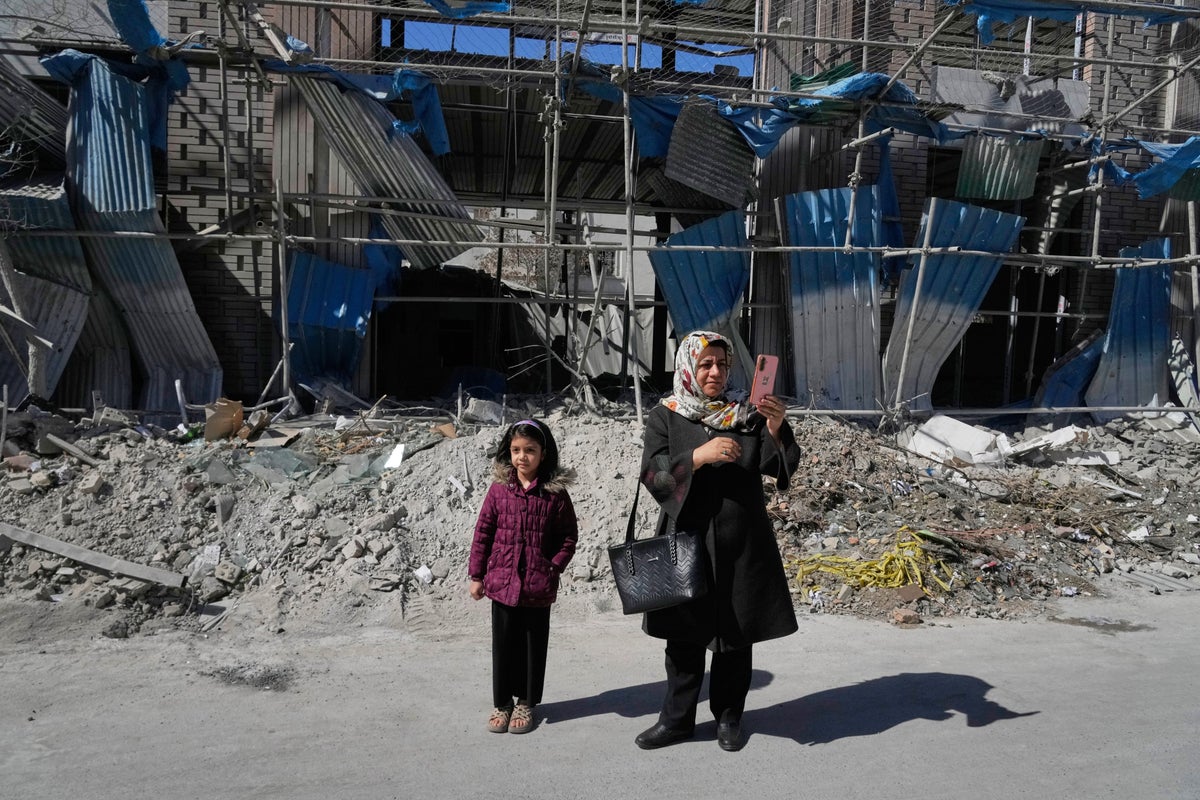
You’re sitting in a cafe in Tehran, and the internet just died. Again. For most of the world, a connection drop is an annoyance. In Iran, it’s a signal that the walls are closing in. Since early 2026, the Iranian government has turned the "off" switch into a permanent fixture of daily life. This isn't just about missing a YouTube video. It’s a systemic dismantling of digital freedom that has forced 90% of the population into a high-stakes underground market for VPNs.
The reality is grim. By February 2026, internet traffic in the country plummeted by 50%. Connectivity often hovers at a pathetic 1% of normal levels during peak crackdown periods. To stay connected to the outside world, Iranians are paying a massive premium—both in currency and in personal safety.
Why the VPN Market Is a Dangerous Necessity
When the state blocks everything from WhatsApp to Instagram, the "V-P-N" becomes the most important three-letter acronym in the country. But it’s no longer as simple as downloading an app from the Play Store. Since the Supreme Council of Cyberspace officially outlawed unauthorized VPNs in February 2024, the market has moved into the shadows.
You’re now buying access from Telegram vendors or back-alley tech shops. These sellers often have ties to the very government entities that implement the filters. It’s a bizarre, circular economy. The state blocks the web, and then individuals—sometimes with "official" connections—sell you the key to get around the block. You’re essentially paying your oppressor for a breath of digital air.
The Security Trap
Most people don't realize that a "black market" VPN is a security nightmare. If you aren't using a verified, end-to-end encrypted tool, you’re basically handing your data to a middleman. In Iran, that middleman might be a state agent.
- Data Logging: Underground providers often keep meticulous logs of your traffic.
- Malware Injection: Many "free" or cheap locally-sourced VPN apps are bundled with spyware.
- Man-in-the-Middle Attacks: Sellers can intercept your banking credentials or private messages because you've funneled all your traffic through their private server.
The Economic Toll of a Disconnected Nation
Let’s talk numbers because they’re staggering. The Iranian Minister of Communications, Sattar Hashemi, admitted that these shutdowns cost the economy roughly $35.7 million every single day. That’s not a rounding error. It’s a catastrophe.
Online sales have cratered by 80%. Small business owners who rely on Instagram to sell clothes or handmade goods have seen their livelihoods evaporate overnight. By January 2026, financial transactions dropped by 185 million. If you're a freelancer trying to work for international clients, you're basically toast. You can't join a Zoom call, you can't push code to GitHub, and you certainly can't receive payments easily.
The Rise of Starlink and the New Arms Race
As the government gets better at deep packet inspection (DPI) to kill VPN protocols like Shadowsocks or V2Ray, people are looking at the sky. Starlink has become the "holy grail" of Iranian connectivity. But it’s a dangerous game.
The IRGC (Islamic Revolutionary Guard Corps) has stepped up operations to seize satellite dishes. Possessing a Starlink terminal isn't just a fine anymore; it's a ticket to a specialized interrogation room. Despite the risk, the demand is so high that terminals are smuggled across the border from Iraq and sold for thousands of dollars on the black market.
Why Standard VPNs Are Failing
The government doesn't just block IP addresses anymore. They use sophisticated AI-driven tools to identify the "heartbeat" of VPN traffic. They look for specific patterns in data packets. If the traffic looks encrypted in a way they don't recognize, they just throttle it to zero. This is why your VPN might work at 10 AM but die at 6 PM when the protests usually start. It’s a targeted, tactical blackout.
How to Stay (Relatively) Safe Online
If you're navigating this mess, you have to be smarter than the average user. Stop using "free" VPNs you found on a random Telegram channel. They are almost certainly honeypots or data miners.
- Use Decentralized Tools: Look into Snowflake or Tor bridges. These are much harder for the government to block because they don't rely on a single set of servers.
- Rotate Your Protocols: If OpenVPN is blocked, try WireGuard. If that fails, move to V2Ray with TLS obfuscation. You have to keep moving.
- Verify Your Source: If you're buying a private config, make sure it’s from a trusted developer, not just a reseller looking for a quick buck.
- Assume You Are Watched: Never conduct sensitive business—like organizing or sharing protest footage—without layered security. A VPN alone isn't a magic shield.
The situation in 2026 is a warning for the rest of the world. Internet freedom isn't a given; it's a battleground. In Iran, that battle is being fought every time someone clicks "connect" on a shaky, overpriced proxy.
Don't wait for the next total blackout to secure your digital life. Set up your bridges now. Download offline maps. Install encrypted messaging apps that support proxying. The goal isn't just to get back on TikTok; it's to ensure that when the lights go out, your voice doesn't go with them.