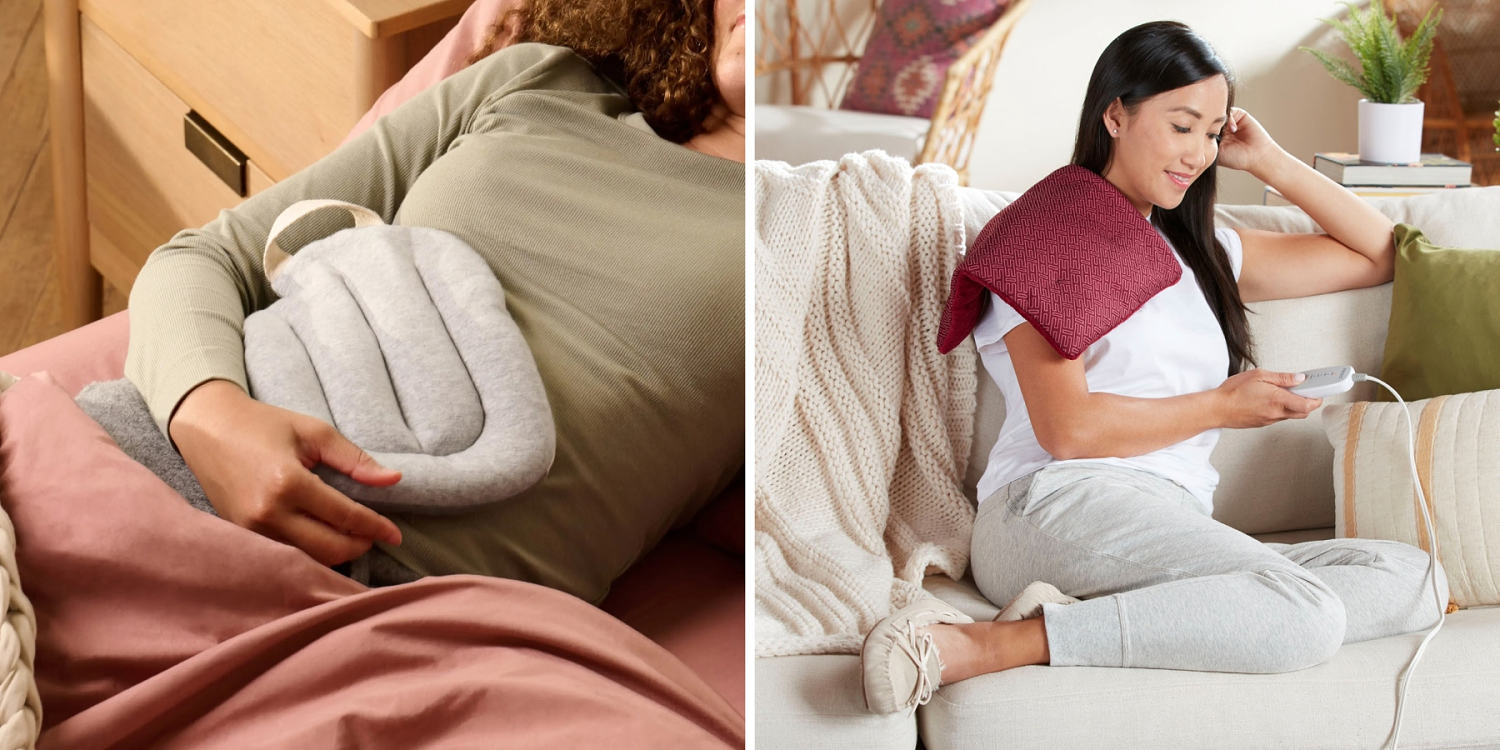
The heating pad industry thrives on a simple, comforting lie. You plug it in, slap it across your lower abdomen or wrap it tightly around your lower back, feel a wave of cozy warmth, and assume physiological repair is underway. For twenty minutes, relief feels absolute. Then you unplug the device, stand up, and watch the familiar, dull throb of muscle spasms or severe menstrual cramps return with absolute punctuality.
The device did not fail because it lacks electricity. It failed because consumer heating pads treat a complex neuromuscular and vascular crisis with the thermal equivalent of a warm blanket.
Understanding why standard heating pads offer nothing more than temporary distraction requires looking past the glossy marketing claims and examining human physiology. Menstrual dysmenorrhea is not merely a localized discomfort. It is driven by excessive uterine contractions triggered by prostaglandins, chemical messengers that constrict blood vessels and temporarily starve the uterine muscle of oxygen. Skeletal muscle spasms operate similarly. When a muscle fiber undergoes micro-trauma or chronic tension, local circulation drops, metabolic waste products accumulate, and nerve endings fire distress signals to the brain.
Surface heat creates an illusion of recovery through a neurological phenomenon known as the gate control theory of pain. Warmth activates thermal receptors in the skin, which flood the spinal cord with fast-moving signals that temporarily crowd out the slower, agonizing pain signals traveling from the cramped tissue underneath. The brain perceives less pain, but the underlying pathology—ischemia, or restricted blood flow, combined with local muscle guarding—remains entirely unaddressed. The heat gate closes, but the factory producing the pain stays open.
The Engineering Shortfall of Modern Thermal Therapy
Most commercially available electric heating pads are engineered for comfort rather than therapeutic efficacy. They rely on cheap resistive wire coils sandwiched between layers of stiff plastic and polyester fleece. This architecture creates uneven hot spots, forces the user to remain tethered to a wall outlet, and loses thermal energy rapidly the moment ambient air circulation increases.
More importantly, standard pads lack the capacity for deep tissue penetration. Infrared thermography demonstrates that standard electrical resistance heat raises skin temperature rapidly, but the heat energy dissipates before reaching deep muscle layers or the pelvic cavity. To genuinely influence tissue metabolism and vasodilation, thermal energy must penetrate deep enough to stimulate localized nitric oxide production, which relaxes vascular smooth muscle and restores adequate blood flow to starved tissues.
Alternative delivery methods attempt to bridge this gap. Chemical heat wraps, often sold as adhesive patches for back pain or dysmenorrhea, utilize iron oxidation to sustain low-level heat for up to eight hours. While they offer the advantage of mobility, their maximum temperatures are heavily restricted to prevent thermal skin burns, rendering them largely ineffective against severe, acute muscle spasms. Weighted heating pads attempt to introduce deep pressure stimulation alongside thermal delivery, which can help calm hyperactive proprioceptors in the nervous system, yet they still suffer from the same shallow heat penetration limitations as their unweighted counterparts.
Redefining Thermal Relief for Real Recovery
Moving past the cycle of temporary relief demands a fundamental shift in how consumers evaluate thermal products. True therapeutic intervention requires sustained, penetrating warmth combined with mechanical support or active movement. Passive reliance on a plug-in pad trains the body to depend on an external crutch without addressing root causes like postural imbalances, chronic inflammatory triggers, or pelvic floor dysfunction.
When evaluating any heating device for muscle strain or severe menstrual discomfort, look past the aesthetic flannel covers and digital controllers. Prioritize devices that offer consistent temperature regulation, contour effectively to complex anatomical areas like the lower lumbar curve or the pelvic basin, and allow for movement. Static heat applied while lying rigidly on a couch locks the body into immobility, whereas dynamic heat paired with gentle movement encourages tissue remodeling.
True recovery is active, demanding physical adjustments, targeted nutritional support to modulate systemic inflammation, and a clear-eyed recognition that a household appliance cannot outrun a physiological deficit. The warmth feels good because biology is designed to respond to comfort. But lasting relief begins the moment you stop treating the symptom as an inconvenience and start treating the tissue as a system requiring actual restoration.