Royal announcements usually feel like they were written by a committee of lawyers in a windowless room. They're stiff, heavily scrubbed of emotion, and designed to keep the public at arm's length. That's exactly why the trailer for HEAL from the Princess of Wales caught so many people off guard.
If you've followed the British royal family over the last couple of years, you know Kate Middleton has shifted how Kensington Palace communicates. Instead of relying solely on formal press releases or staged photo ops, she has leaned straight into cinematic, deeply personal video storytelling. The HEAL project—and the trailer introducing it—isn't just another charity plug. It's a deliberate step away from royal tradition toward something much rawer and more human. Expanding on this theme, you can find more in: The Nepotism Tax in Entertainment Why Legacy Heirs Face Asymmetric Scrutiny.
Let's be honest here. Most celebrity and royal advocacy campaigns blur together after five minutes. You see some nice B-roll, hear a few polite platitudes about "raising awareness," and forget about it by dinner. This feels different because it's rooted in lived experience rather than a PR calendar.
What the HEAL Trailer Actually Shows
When you watch the trailer for HEAL from the Princess of Wales, the first thing that jumps out isn't the royal branding. It's the pacing. There are no trumpets, no grand palace corridors, and none of the usual pomp people associate with the monarchy. Analysts at Reuters have shared their thoughts on this matter.
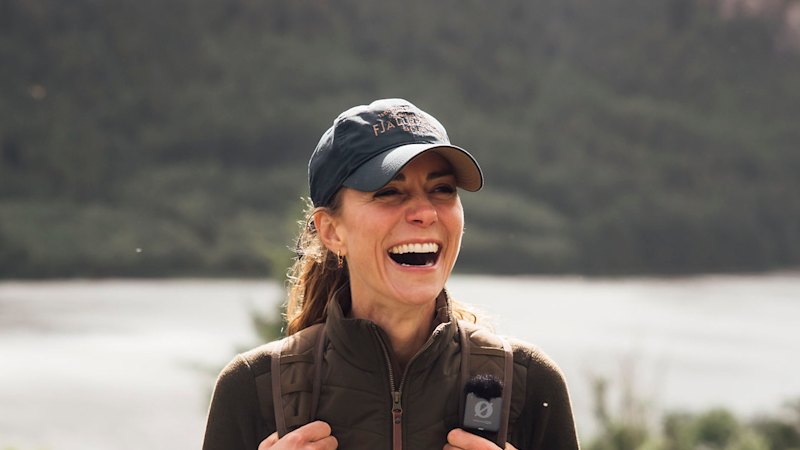
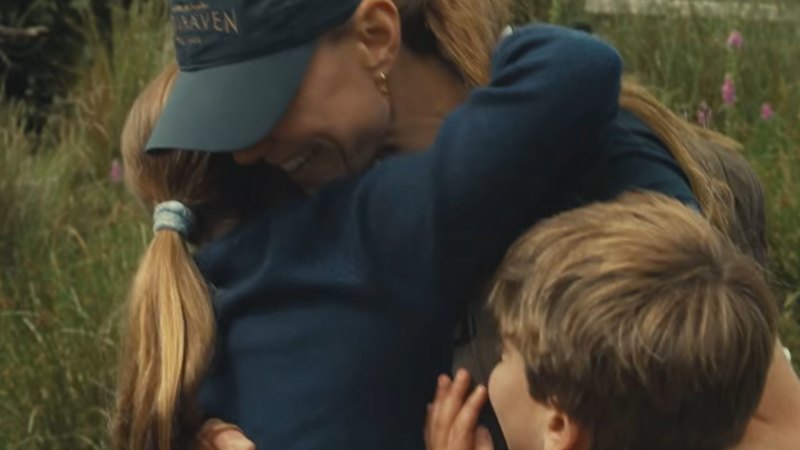
Instead, the footage leans heavily on quiet, grounded imagery. You see natural light, textures of the outdoors, and moments of stillness that mirror the emotional weight of recovery. Having watched countless royal media rollouts over the years, I can tell you how rare it is for Kensington Palace to let a frame breathe without filling it with narration or stiff formality.
The core message centers on what recovery actually looks like once the headlines fade. People love a neat, tidy comeback story. In reality, healing—whether physical, emotional, or mental—is messy, slow, and rarely linear. The trailer frames healing not as a single finish line you cross, but as an ongoing process of reconnecting with the world around you.
The Shift in Kensington Palace Media Strategy
To understand why this trailer looks and feels the way it does, you have to look at how the Waleses have rebuilt their communications team over recent years. Historically, the palace relied on the "Royal Rota"—a pool of accredited UK journalists and photographers—to document every public step. That system gave the press access, sure, but it stripped the royals of control over tone and intimacy.
By producing their own short-form films and trailers directly for social platforms like YouTube and Instagram, William and Catherine bypassed the middleman. We saw early versions of this during the Hold Still photography project during the pandemic, and even more clearly in Catherine's deeply personal 2024 video announcing the completion of her chemotherapy treatment, filmed in Norfolk by Will Warr.
The HEAL trailer carries that exact same DNA. It treats the audience like adults capable of sitting with quiet, reflective visuals rather than needing everything spoon-fed through a press briefing.
Why Nature and Recovery Are Front and Center
If you've paid any attention to Catherine's public work over the past decade, you know her obsession with the outdoors isn't a new talking point. Long before her own health challenges made global news, she spent years championing early childhood development and the mental health benefits of spending time in nature.
Remember her "Back to Nature" garden at the 2019 Chelsea Flower Show? Critics at the time dismissed some of it as nice-to-have royal gardening. Turns out, she was laying the groundwork for a much bigger thesis.
Research consistently backs up what she's been pointing toward. Organizations like Mind, the UK mental health charity, and researchers at the University of Exeter have published extensive findings showing that spending even two hours a week in green spaces measurably lowers cortisol levels, reduces anxiety, and improves overall psychological resilience. When someone goes through severe physical trauma or prolonged illness, that connection to the natural world stops being a lifestyle perk and becomes a lifeline.
The HEAL trailer taps directly into that intersection. It doesn't preach at you to go hug a tree. It simply shows what stillness and natural environments offer when your entire life has been turned upside down.
What Most Commentators Get Wrong About Royal Projects
Whenever the Princess of Wales releases something new, media coverage instantly splits into two predictable camps. One side treats every frame like a breathless fairy tale. The other side dismisses it as calculated image management. Both takes miss the point entirely.
Here's what actually happens behind the scenes of major royal initiatives. Royal foundations don't launch projects on a whim, and they rarely chase quick viral moments. Because members of the working royal family don't run for office, their entire value proposition rests on long-term convening power—bringing together charities, researchers, donors, and everyday people around issues that outlast a single news cycle.
When critics complain that a trailer doesn't immediately lay out a 50-point policy plan, they're misunderstanding how the institution operates. A trailer like HEAL isn't meant to be a white paper. Its job is emotional resonance. It opens the door so that the organizations, practitioners, and everyday voices featured in the broader project actually get heard by millions of people who would never otherwise click on a clinical study or charity report.
The Problem With How We Talk About Healing
There's another layer here that hits close to home for a lot of viewers. Modern culture is terrible at dealing with the aftermath of crisis. When someone gets sick, faces a major loss, or goes through burnout, people rally around them during the acute emergency. Then, the moment the immediate danger passes, everyone expects you to bounce right back to normal.
It doesn't work like that. Anyone who has walked alongside a family member through serious illness—or gone through it themselves—knows the hardest part often starts after the hospital visits slow down. Your body feels unfamiliar. Your priorities have shifted completely. The old version of your life doesn't quite fit anymore.
By putting the word HEAL front and center, the Princess of Wales is validating that awkward, uncomfortable middle chapter. That's why the trailer resonated so strongly across social media within hours of dropping. People didn't just see a princess; they saw someone acknowledging a universal human experience that polite society usually sweeps under the rug.
How the Visual Storytelling Breaks Royal Rules
If you watch the trailer closely, pay attention to what's missing. There is zero status signaling. No tiaras, no red carpets, no standing behind a podium with a crest bolted to the front.
In traditional royal photography, the subject is almost always positioned as the central authority figure—shaking hands, cutting a ribbon, or waving from a balcony. Even charitable visits historically centered on the royal arriving to inspect the work being done by others.
Modern documentary-style trailers flip that camera angle completely. The focus shifts toward shared humanity. Tight close-ups, ambient sound design, natural lighting, and unhurried edits create a sense of equality between the person on screen and the person watching on their phone. Honestly, it borrows far more from independent filmmaking than from traditional broadcasting.
That stylistic choice matters because audiences today have finely tuned radar for fake authenticity. If something feels overly polished or corporate, viewers swipe past in half a second. By keeping the production stripped back and grounded, the HEAL trailer holds attention without relying on shock value or celebrity gossip.
Where to Watch and Follow the Project
If you haven't seen the trailer yet or want to keep up with the full rollout as more pieces are released, stick to official channels rather than cropped re-uploads on random fan accounts, which often cut out key context or alter the audio.
- Check the official Prince and Princess of Wales YouTube channel. Kensington Palace regularly uploads high-resolution versions of their video projects directly to The Prince and Princess of Wales on YouTube, complete with proper captions and full credits for the filmmakers and organizations involved.
- Follow The Royal Foundation updates. Most major initiatives spearheaded by William and Catherine connect back to The Royal Foundation, where you can find the actual charity partners, research frameworks, and community programs tied to their public campaigns.
- Look at the featured partner organizations. The real substance of any project like HEAL lives in the grassroots charities and specialists highlighted alongside the film. Supporting or reading up on those specific groups is where the awareness turns into tangible impact.
Watch the trailer with the sound up, pay attention to the voices and stories it brings into the frame, and look past the royal headlines to the actual work being spotlighted underneath.