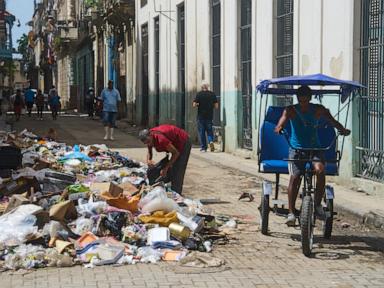
Havana is smelling different these days. If you walk through the streets of Central Havana or the outskirts of Playa, the usual scent of sea salt and tobacco is entirely gone. Instead, you hit a wall of rotting food, melting plastic, and burning waste. A massive garbage crisis engulfs Havana as fuel shortages stall trash pickup, turning one of the Caribbean's most historic cities into an open-air dump.
This isn't just an eyesore. It is a full-blown public health emergency. Neighborhood corners are piled high with mountains of refuse that spill onto the asphalt, forcing cars to swerve and pedestrians to walk in the middle of traffic. Rats run rampant. Flies swarm over discarded pig bones and vegetable scraps. When the tropical rains hit, this filth washes right into the broken drainage systems, backing up into people's homes.
The government blames the crisis on a lack of fuel and broken equipment. That is true on the surface, but it misses the bigger picture. The reality is that Cuba's centralized economy is fracturing, and the literal breakdown of waste management is just the most visible symptom of a dying system.
The Mathematical Reality of Havana Waste Crisis
Let's look at the actual numbers because they show just how impossible the situation has become. Havana generates about 23,000 cubic meters of garbage every single day. To move that much waste, a city needs a functioning fleet of specialized garbage trucks, a steady supply of diesel fuel, and workers willing to lift heavy loads for a living wage. Havana has none of these things right now.
Local provincial authorities admit that only a fraction of the city's collection trucks are operational at any given time. Most are sidelined because the state cannot source basic replacement parts like tires, hydraulic fluids, or batteries. The trucks that do run often sit idle anyway. Why? Because the country is facing its worst energy deficit in decades. When the choice comes down to running a power plant to keep the lights on or filling up a trash truck, the truck loses.
The labor shortage makes it even worse. The mass exodus of young Cubans leaving the island has hit municipal services hard. Why would anyone work a grueling job collecting rotting garbage when the state salary buys less than a carton of eggs? The Communal Services department is bleeding workers faster than they can replace them.
Why Burying the Problem is No Longer Working
For decades, the Cuban state maintained control by patching things up. They used old Soviet trucks until they died, then switched to donated equipment from Japan or Europe. But patchwork solutions have a shelf life.
Right now, residents are taking matters into their own hands, and it is making a bad situation dangerous. People are setting fire to the garbage piles in the middle of residential streets. They do it to reduce the volume of the waste and to keep the flies and rats away.
But street burning releases toxic fumes right next to people's bedroom windows. Cuba has a high rate of asthma, and the respiratory wards in Havana hospitals are seeing the results of this makeshift incineration. Plastic burning creates dioxins. People breathe that in every night.
Furthermore, the accumulating waste is a breeding ground for mosquitoes. Cuba is currently battling outbreaks of dengue fever and the Oropouche virus. Both are transmitted by insects that thrive in stagnant water and filthy environments. By failing to collect the trash, the state is actively fueling a medical crisis it does not have the resources to treat. Hospitals lack basic antibiotics, pain relievers, and even clean bandages.
The Myth of the US Embargo as the Sole Culprit
The official narrative from the state media is predictable. Every uncollected pile of debris is blamed entirely on the US embargo. While the embargo certainly complicates international financial transactions and raises the cost of importing goods, using it as a blanket excuse for rotting streets does not hold up under scrutiny.
The crisis is deeply rooted in systemic mismanagement and a complete lack of foresight. For years, the government prioritized building luxury, foreign-owned hotels in Old Havana and the beachfront zones to attract tourists. Millions of dollars poured into concrete towers while the basic infrastructure of the city—water pipes, electrical grids, and waste management—was completely ignored.
The tourists did not come back in the numbers the state expected, leaving Havana with half-empty luxury hotels looking down on neighborhoods buried under tons of uncollected refuse. It is a stark contrast that residents notice every day. The resources existed, but the investment priorities were wrong.
How Locals are Surviving the Filth
Cubans are masters of survival, a trait they call inventamos. But you cannot easily invent your way out of a city-wide sanitation collapse. Still, neighborhoods are trying to self-organize.
In some blocks, neighbors pitch in to hire private cart drivers—carretoneros—to haul trash away from their immediate doorsteps. These drivers use horses or old bicycles to move the waste to larger dumps further away from homes. It does not solve the city's problem, it just pushes the garbage into someone else's backyard, usually poorer neighborhoods on the periphery of Havana like San Miguel del Padrón or Marianao.
In wealthier areas like Vedado, private businesses—the newly permitted small and medium enterprises known as mipymes—sometimes clean the areas surrounding their storefronts to keep customers coming in. This creates a deeply unequal landscape. If you live near a successful private restaurant, your street might get cleared. If you live in a working-class tenement in Central Havana, you are left to choke on the fumes of burning plastic.
The Long-Term Cost of Inaction
A city cannot survive indefinitely without basic sanitation. The current crisis is destroying Havana's historic architecture. The acidity from fermenting organic waste eats away at the old limestone foundations of buildings that are already structurally compromised.
The damage to the tourism industry is also fatal. Word travels fast. Tourists who visit Havana today do not just talk about the classic cars and the music; they talk about the smell and the sight of historic plazas bordered by piles of filth.
Real Steps to Fix the Urban Decay
Resolving this requires moving past political rhetoric and executing immediate, practical changes.
First, the provincial government must decentralize waste management completely. The current centralized model under Communal Services is broken. Trash collection needs to be handed over to local, neighborhood-level cooperatives or private contractors who have the flexibility to source parts and fuel without waiting for bureaucratic approval from a central ministry.
Second, the state needs to redirect funds immediately from hotel construction into municipal infrastructure. Buying a fleet of simple, durable utility vehicles and offering a living wage to sanitation workers would do more to stabilize Havana than another empty resort.
Finally, there must be a coordinated effort to establish designated, managed transit points for waste, rather than allowing spontaneous dumps to form on random street corners. Providing heavy-duty, covered containers to neighborhoods would prevent animals from scattering the waste and keep rain from washing toxins into the water supply.
If you are living in Havana or planning to travel there, protect yourself by avoiding contact with standing water near these dump sites, boiling all drinking water, and ensuring your home is sealed against insects as much as possible. The crisis will not disappear overnight, and individual vigilance is the only real shield available right now.