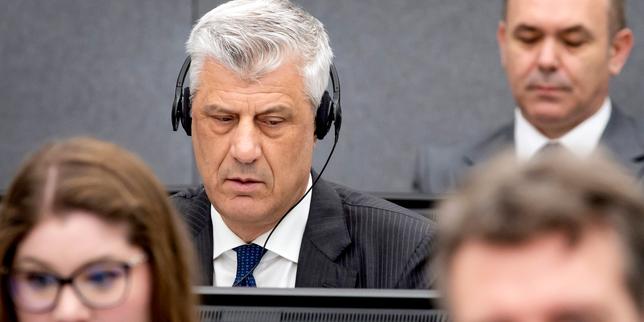
International courts move slowly, but when they drop a hammer, it echoes for decades. Hashim Thaci, the former president of Kosovo and once a top commander of the Kosovo Liberation Army, just received a twenty-five-year prison sentence from the Kosovo Specialist Chambers in The Hague.
If you followed the 1998-1999 war against Serbian forces, you know Thaci was long hailed in the West as a liberator and a key partner in nation-building. Now, he's convicted of war crimes and crimes against humanity. The fallout goes way beyond one man. It forces a brutal reckoning over how a nation handles its foundational myths. Read more on a similar issue: this related article.
Inside the Tribunal Verdict
The trial wasn't about the broad right of Kosovo to fight for independence. The court made that distinction clear. Instead, it zeroed in on individual conduct and command responsibility during a chaotic armed conflict.
Thaci, along with fellow defendants like former parliament speaker Jakup Krasniqi who also got twenty-five years, faced allegations tied to illegal detentions, torture, and unlawful killings. Judges pointed to a systematic effort to target political rivals and perceived opponents under the guise of military necessity. Additional reporting by The Washington Post delves into similar perspectives on this issue.
The numbers cited by the tribunal paint a grim picture. Hundreds of detainees endured horrific abuse, and dozens of unlawful executions were tied directly to the command structures of the KLA. For the judges, it didn't matter that Thaci was fighting a repressive regime in Belgrade. Human rights abuses during wartime carry an expiration date only in the minds of partisans.
The Local Backlash and Political Shockwaves
Reaction in Pristina was swift and furious. Prime Minister Albin Kurti and other political figures slammed the ruling as an unacceptable injustice that tries to criminalize an entire liberation struggle. To much of the Kosovar public, Thaci remains a symbol of statehood. They see the special court as a biased instrument rewriting history from the comfort of a courtroom in the Netherlands.
Street protests flared up, and political leaders warned that international justice is losing its moral authority in the Balkans. You can understand the local fatigue. People who survived ethnic cleansing and brutal state violence feel like their defenders are being put on trial while war crimes committed by opposing forces rarely saw equivalent local accountability.
Yet, international allies like Washington urged all sides to respect the judicial process. Western capitals invested heavily in building these specialized judicial institutions precisely to prove that post-conflict accountability applies to everyone, no matter how high they climbed the political ladder.
Why This Case Changes the Rules of Post-Conflict Reckoning
This verdict sets a sharp precedent for how modern insurgencies transition into governments. Too often, revolutionary heroes swap combat fatigues for tailored suits and assume immunity from their past actions. The Hague court just signaled that the transition from rebel commander to head of state doesn't wipe the slate clean.
It also highlights the deep friction between international legal standards and domestic political memory. When a court thousands of miles away hands down a quarter-century sentence to a national founding figure, it creates a permanent scar on the country's collective identity.
The legal battles aren't entirely over, as defense teams prepare appeals. But the political reality has already shifted. Kosovo's leadership must navigate a future where its founding narrative is permanently fractured by judicial reality.
Look closely at how regional politics adapt from here. The verdict forces a younger generation of politicians in the Balkans to decide whether they will stay chained to the grievances of the late nineties or build institutions that transcend the actions of individual leaders.