Putting a six-month caretaker administration in charge of Tigray sounds neat on paper. In reality, it's a high-wire act over a minefield.
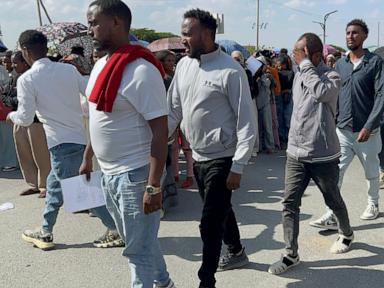
Following renewed fighting in northern Ethiopia and the withdrawal of Tigray People's Liberation Front (TPLF) forces from Mekelle on October 4, 2026, Prime Minister Abiy Ahmed's government moved to establish a six-month caretaker administration for Tigray under federal oversight, while hundreds of former combatants began lining up in Mekelle to register for disarmament, demobilization, and reintegration (DDR). Officials in Addis Ababa say the interim setup will restore public services, help displaced people get home, and organize elections within half a year.
Anyone who has watched northern Ethiopia over the past six years knows six months is barely enough time to clear the rubble, let alone rebuild political trust. When a Tigray caretaker government steps into a region exhausted by both the 2020–2022 war and fresh clashes in 2026, the real test isn't a press release from Addis Ababa. It's whether exhausted fighters, displaced families, and rival political camps see a real path out of survival mode or just another round of top-down control.
Why Six Months Feels Like a Wish Rather Than a Plan
Let's be honest about timelines in post-conflict politics. Six months goes by in a blink when roads are battered, clinics and schools are strained, and displaced communities are waiting to see if returning home means safety or another eviction.
Under the federal government's plan, the six-month Tigray caretaker administration is tasked with getting basic public services running again, facilitating displacement returns, and preparing the ground for elections. Those three goals sound complementary. Often, they pull in opposite directions.
Hold rushed elections before security stabilizes and displaced voters can return, and the result looks rigged or incomplete. Delay elections too long, and critics accuse Addis Ababa of extending federal rule indefinitely. Having worked around conflict-affected governance and humanitarian recovery before, one pattern jumps out every time: quick administrative fixes fail when local legitimacy lags behind military shifts.
The Fracture Inside Tigray's Leadership
You can't make sense of October 2026 without looking at how badly Tigray's political and military camp split after the November 2022 Pretoria cessation-of-hostilities agreement. What started as a fragile truce slowly unraveled amid disputes over implementation, regional power struggles, and rising friction with the federal government.
By 2025 and 2026, rival factions had hardened their positions. TPLF hardliners clashed with former interim chief administrator Getachew Reda and aligned figures, while splinter dynamics—such as the Tigray Peace Forces—and renewed clashes in 2026 pushed the region back toward open confrontation before federal-allied forces entered Mekelle on October 4. According to reports from mid-November 2026, regional caretaker head Assefa Abraha has also raised alarms that more than 30,000 registered ex-fighters lack the weapons required under standard disarmament rules, creating a massive gap in how reintegration support is funded and delivered.
That detail matters more than most headlines admit. If a fighter shows up to turn in a rifle and doesn't have one—or belonged to a unit or call-up that doesn't fit neat DDR paperwork—standard protocols can leave them stranded without stipends, skills training, or mental health care.
What Ex-Fighters Actually Face When They Lay Down Arms
Returning to civilian life sounds straightforward until you try to buy groceries with no steady income. For many young men and women in Tigray, fighting or military mobilization wasn't a career choice; it was a response to war, local pressure, or mandatory call-ups.
When registration in Mekelle resumed in mid-October 2026 under Ethiopia's National Rehabilitation Commission, some former combatants said they had been called back into service against their wishes and simply wanted out. Others were looking for a lifeline after years of economic shock.
Disarmament is a ceremony; reintegration is a multi-year grind. Without jobs, land access, and trauma support, demobilized fighters can drift right back into instability.
From hands-on experience with post-war recovery programs, three mistakes sink reintegration efforts faster than almost anything else:
- Treating registration as the finish line: Signing a form or handing over equipment means nothing if stipends are delayed or training doesn't match local jobs.
- Ignoring weaponless or informal combatants: Rigid rules that only count handed-in rifles risk leaving tens of thousands of ex-fighters outside the safety net.
- Overlooking psychological trauma: Years of combat, loss, and displacement don't vanish because a ceasefire or caretaker mandate is announced.
Research and policy assessments from institutions like the World Peace Foundation have long emphasized that disarmament, demobilization, and reintegration cannot succeed as a narrow technical checklist or a donor-chasing exercise. It has to tie into broader security sector reform, economic recovery, and political reconciliation. When infrastructure is wrecked and livelihoods are scarce, a small monthly allowance won't hold the peace on its own.
Common Myths About Caretaker Rule and Reintegration
People outside the Horn of Africa—and sometimes inside it—often fall for a few convenient assumptions whenever a caretaker authority is announced.
First, a caretaker government doesn't automatically mean neutral administration. Even when officials promise technocratic service delivery and elections, political rivalries over who holds influence in Mekelle and how federal oversight operates shape every decision.
Second, returning to civilian life isn't a single moment. A 33-year-old day laborer who didn't want to fight in the first place faces different hurdles than a long-serving commander or a young recruit with no civilian work history. One-size-fits-all vocational kits rarely stick.
Third, peace agreements don't stay settled by themselves. The 2022 Pretoria deal showed how fragile a pact can be when core grievances remain unresolved and tensions flare back up. You can check ongoing reporting from outlets like Africa Confidential to track how shifting alliances in Addis Ababa, Mekelle, and neighboring areas affect implementation on the ground.
Practical Steps for Following and Supporting Recovery
If you're tracking the situation in Tigray—whether as a researcher, policy observer, donor, or engaged reader—skip the slogans and watch what happens on the ground over the next few months.
- Track DDR funding for unregistered or weaponless fighters: Watch whether international partners and federal authorities create parallel support for the tens of thousands of registered former combatants who don't meet standard disarmament criteria.
- Look at displacement returns, not just announcements: Real progress on public services shows up when displaced families can safely return to their homes and access clinics, water, and schools.
- Watch election preconditions: Pay close attention to security conditions, voter access, and inclusive participation ahead of the six-month election timeline rather than focusing solely on the calendar date.
True stability in Tigray won't come from a six-month clock ticking down in Addis Ababa. It will come when ex-fighters have real livelihoods, displaced families feel safe at home, and Tigrayans have a genuine voice in what comes next.
Former Tigray fighters queue to register for reintegration
This video shows former combatants lining up in Mekelle to register for disarmament and reintegration as the caretaker administration begins its work.