The fluorescent lights in a small-town gymnasium hum at six in the morning. Before the first voter ever pushes open the heavy double doors, someone is already checking the seals on the ballot boxes, wiping down the tables, and taping crisp blue arrows to the linoleum floor.
It is ordinary work. Unromantic work. The kind of work that keeps a republic breathing without making a single headline. In related developments, take a look at: Why Overturned Social Media Death Sentences Prove Nothing About Reform.
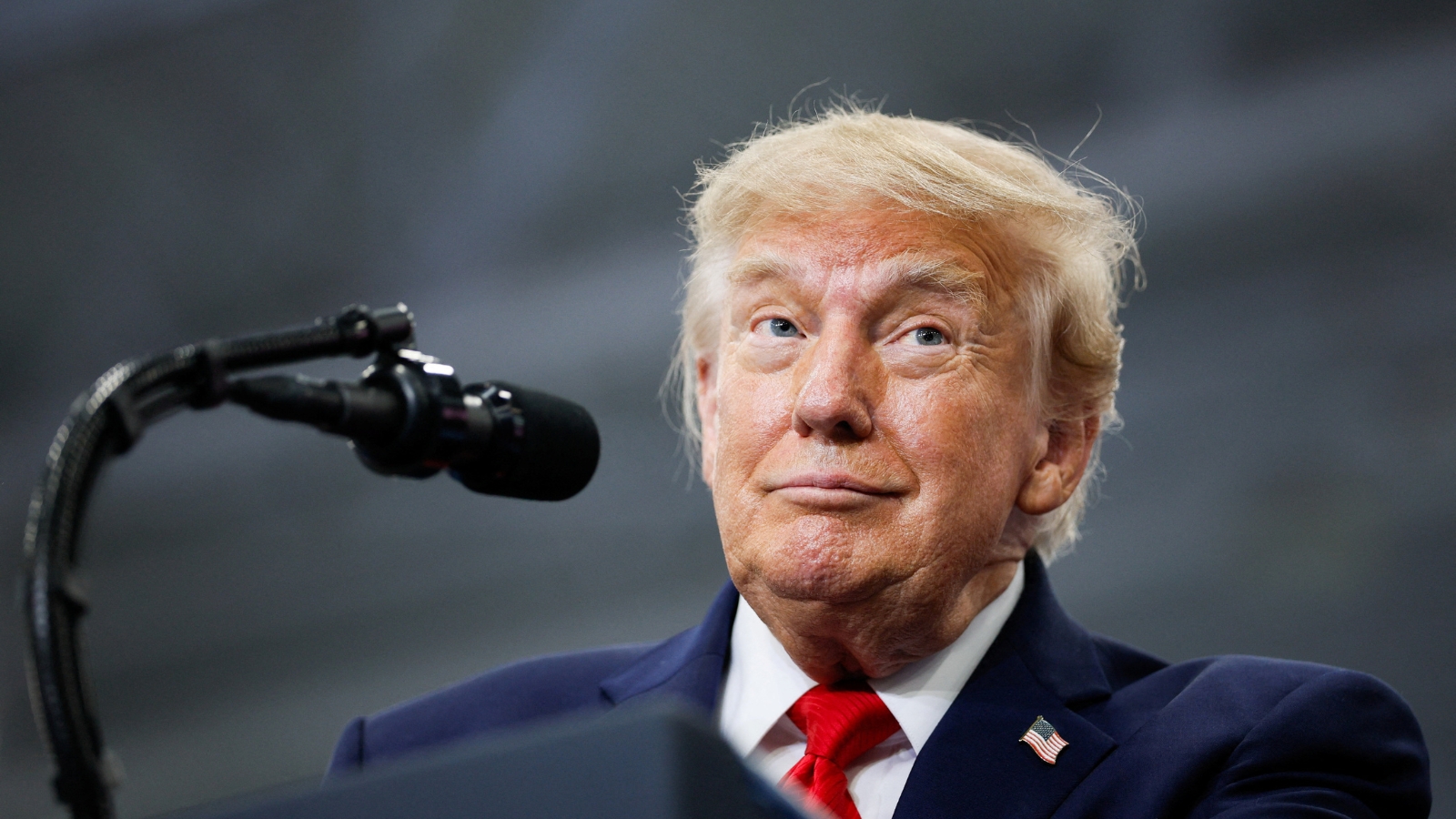
Yet in the run-up to the 2026 midterm elections, that quiet Tuesday morning ritual stopped feeling ordinary. Across the country, election administrators, lawyers, and everyday citizens found themselves staring at a set of scenarios that used to belong strictly to constitutional thought experiments. When Donald Trump and his allies tested the boundaries of federal power around the 2026 midterms, they didn't just argue over policy. They pressed against the hinges of how votes are cast, counted, and certified.
To understand what was really at stake, we have to step away from the cold checklists of legal theories and look at the human pressure points where rules meet real people. NBC News has analyzed this fascinating subject in great detail.
A Hypothetical Clerk at 3:00 AM
Picture a county clerk—let's call her Martha, a hypothetical composite drawn from real election administrators who have worked dozens of cycles. It is past midnight on election night. The precinct tapes are printing. Her hands smell faintly of toner and stale coffee.
A phone rings on the desk. Then another. Outside, a camera crew is waiting near the municipal lot, and online rumors are already claiming that thousands of ballots in her county are suspect.
This is where abstract talk of election interference becomes personal. In 2026, legal experts and watchdog groups mapped out the playbook of disruption: pushing to restrict mail-in ballots, demanding access to voter rolls or challenging eligibility late in the game, floating the idea of federal law enforcement or troops near voting sites, attacking voting machines or removing Election Assistance Commission members to stall system certifications, filing suits to halt counts, seizing materials, or pressuring local officials not to certify results.
Think of American elections like a relay race run across fifty different tracks, each with its own hurdles and lane judges. The Constitution does not hand the president a whistle to stop the race or swap out the runners mid-lap. States run elections under federal guardrails.
Still, a referee doesn't have to own the stadium to cause chaos. Even if a court eventually blows the whistle and overturns an improper demand, the delay itself can trip a runner.
The Quiet Power of Fear and Friction
Not every tactic requires a dramatic courtroom showdown. Some work simply by raising the temperature or adding friction right before someone tries to vote.
Consider a second hypothetical character: Mateo, a shift worker who relies on a mail ballot because his warehouse schedule changes without notice, or a first-time voter who moved across town six months ago. When headlines swirl about challenges to voter rolls, demands to set aside ballots over contested noncitizen data, or talk of federal agents near polling places, doubt creeps in. A voter starts wondering whether their registration is still active, whether their mail ballot will actually count, or whether standing in line will feel like walking through a checkpoint.
That is the sneaky genius of friction. You don't have to stop a million people from voting if enough people hesitate, get confused, or give up halfway through checking their status.
And yet, history keeps reminding us of a stubborn truth: American democracy is decentralized for a reason. There is no single switch in Washington that controls every precinct from Maine to California. When the Trump administration tried to push boundaries in 2026—whether through executive actions on mail voting, disputes over voter data, or legal battles over election rules—state officials and federal courts repeatedly pushed back.
Courts stepped in. State laws held. Even the U.S. Supreme Court denied emergency relief in key disputes just before the vote, and high-profile rulings like Louisiana v. Callais showed how legal fights over maps and voting protections were already reshaping the terrain.
Why the Counting Window Feels So Fragile
Anyone who has watched a close election knows the hardest hours aren't always during voting. They come after the polls close, during the long stretch known as the canvass and count, when mail ballots are verified, provisional ballots are checked, and totals shift in batches.
To someone watching cable news at two in the morning, a sudden batch of late-counted mail ballots can look mysterious if nobody explains how mail voting works. In reality, mail ballots often skew differently depending on how and when they are processed, and counting every legal vote takes time.
Bad-faith actors know how to exploit that gap. They know how to turn normal administrative steps into an accusation. A demand to stop counting, an early declaration of victory, a noisy fight over observers, or a threat not to certify a county or state tally can turn a routine legal process into a public crisis.
I'll be honest: watching these pressures play out can make even seasoned observers feel dizzy. One day there's a lawsuit; the next day there's a headline about a poll monitor or a certification dispute. It is easy to feel exhausted, cynical, or unsure which warnings are real and which ones are noise.
Confusion is contagious. Clarity takes work.
What Actually Held the Line in 2026
When the dust settled around the November 2026 midterms, one reality stood out starkly against the months of alarm. Sheer scale mattered. Millions of Americans showed up, cast ballots, and pushed results across the finish line in numbers that overwhelmed attempts to rig or derail the outcome.
No.
The system isn't unbreakable, and pretending otherwise would be naive. Courts can be slow, laws can be contested, and local officials still face real threats and relentless pressure.
Still, there is a quiet strength in boring procedures followed faithfully by people who care more about their neighbors' rights than about political theater. Poll workers showing up before dawn. Clerks guarding chain-of-custody logs. Judges reading statutes line by line instead of bending to cable-news outrage.
Those guardrails didn't hold by magic. They held because thousands of people refused to let fear rewrite the rulebook.
How to Stay Grounded Before the Next Cycle
If you want to protect your own voice—and keep your head clear—the most practical moves are surprisingly straightforward:
- Check your registration early and often. Don't wait until the week before an election to find out an old address or clerical hiccup put your status in question.
- Know your state's exact rules. Mail-in deadlines, ID requirements, and recount procedures vary by state. Read official election office guidance rather than viral posts.
- Separate noise from law. A loud claim on social media or a political speech is not the same thing as a court order or a change in state statute.
Every election tests whether we still trust the process enough to defend it even when our own side is nervous.
In the quiet hours after the last ballot is scanned and the gymnasium lights finally click off, democracy doesn't look like a grand speech on a marble stage. It looks like a locked room, a signed tally sheet, and a citizen walking out into the cool night air knowing their vote was met with the dignity of the law.