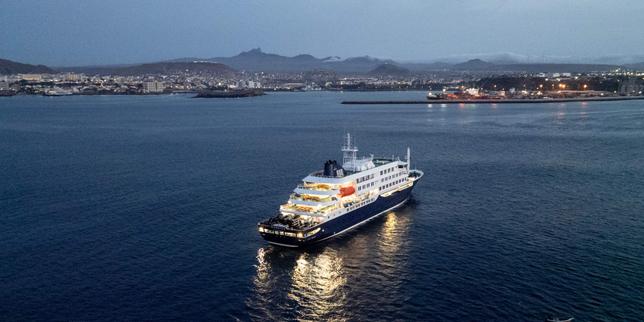
Cruise ships are floating petri dishes. We've known this since the world ground to a halt years ago, yet the recent Hantavirus outbreak on the Artania shows we haven't learned enough about the risks of high-seas luxury. When news broke that three people had to be airlifted off a vessel bound for Spain due to a rodent-borne virus, it sent a shiver through the travel industry. This isn't your typical norovirus where you're stuck in a bathroom for 48 hours. Hantavirus is serious business.
The Artania, operated by Phoenix Reisen, was making its way toward the Spanish coast when the situation turned critical. Medical evacuations at sea are expensive, dangerous, and rare. To have three in quick succession points to a failure in onboard hygiene or a massive lapse in port-side inspections. While the ship eventually docked in Alicante, the questions left in its wake are more troubling than the headlines suggest.
Why Hantavirus on a Cruise Ship is Terrifying
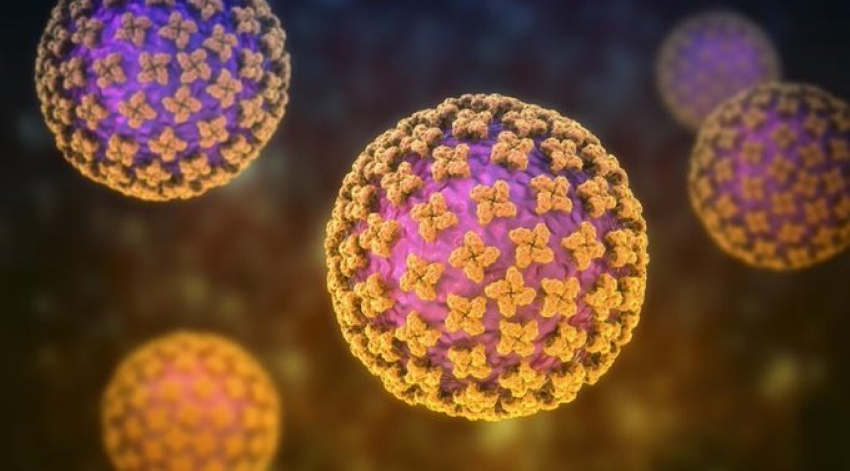
Most people associate Hantavirus with dusty cabins in the woods or cleaning out a long-forgotten shed. It’s spread by rodents—specifically through their saliva, urine, and droppings. You don't even have to get bitten. You just have to breathe in the dust that’s been contaminated. Now, think about the ventilation system on a massive cruise ship.
It’s a closed loop. If you have a rodent infestation in the lower decks or the galley, the potential for airborne transmission through the HVAC system is a nightmare scenario. The Artania incident isn't just about three sick people; it’s about the vulnerability of thousands of passengers trapped in a steel hull with a virus that can cause Hantavirus Pulmonary Syndrome (HPS). According to the CDC, HPS has a mortality rate of around 38%. That’s a terrifying number for a vacation.
I've seen how these ships operate behind the scenes. The turnaround times are tight. Crews have hours, not days, to scrub a ship before the next batch of passengers boards. Sometimes, things get missed. A rodent gets on board in a crate of supplies at a tropical port, and suddenly, you have a ticking time bomb.
The Logistics of a High Seas Evacuation
Evacuating three people from a moving vessel isn't like calling an ambulance. It requires a coordinated effort between the ship’s medical team, the coast guard, and local health authorities. When the Artania signaled for help, the Spanish authorities had to weigh the medical needs of the patients against the biohazard risk to the mainland.
The patients were taken to hospitals in Alicante and surroundings. This creates a massive logistical headache. You have to track every person those patients interacted with. You have to sanitize the infirmary. You have to reassure five hundred other passengers that they aren't breathing in death while they eat their buffet shrimp.
Spanish health officials were quick to isolate the cases, but the damage to the brand is done. Travelers are starting to realize that the "safe" bubble of a cruise ship is an illusion. You’re only as safe as the last port’s pest control standards.
What the Industry Isn't Telling You About Pest Control
Cruising is a trillion-dollar industry that relies on the "dream" of effortless travel. Rodents don't fit into that dream. However, ships are essentially giant metal islands that stop at various ports every day. They are magnets for pests.
The Artania incident highlights a gap in how we monitor these vessels. Port health inspections are often cursory. They check the paperwork, look at the kitchen, and move on. They aren't doing deep-tissue scans of the ductwork for mouse droppings.
- The Supply Chain Risk: Most rodents enter ships via food pallets.
- The Infrastructure Problem: Older ships have more nooks and crannies for nesting.
- The Ventilation Factor: Modern HEPA filters help, but they aren't a silver bullet against localized sheds.
If you’re booking a cruise, you’re trusting that the cruise line’s bottom line hasn't compromised their cleaning protocols. This outbreak suggests that trust might be misplaced.
How to Protect Yourself When the Ship Hits the Fan
You can't control the ship's pest control, but you can control your environment. Don't be the person who ignores the "wash your hands" signs, though with Hantavirus, that's only half the battle.
If you see a mouse on a ship, don't just post it to TikTok. Tell the purser immediately and demand a cabin move. If you start feeling flu-like symptoms—fever, muscle aches, shortness of breath—don't wait. Go to the medical center. Hantavirus moves fast. Early oxygen therapy is often the only thing that saves people.
Check the vessel’s recent inspection scores. The CDC’s Vessel Sanitation Program (VSP) keeps a public database. If a ship is scoring in the low 80s, don't board it. It’s that simple. The Artania might be a European-based vessel, but the standards should be universal.
The Spanish Response and Future Travel Restrictions
Spain handled this with a level of transparency we don't always see. By allowing the ship to dock but maintaining strict quarantine protocols for the affected individuals, they prevented a full-blown panic. However, expect this to lead to tighter regulations at Mediterranean ports.
We’re likely going to see a push for "Bio-Certifications" for ships entering EU waters. It’s not enough to say you’re clean; you’ll have to prove it with environmental DNA testing. This will drive up ticket prices, but frankly, it’s a price worth paying to avoid a lung-destroying virus.
Cruising is changing. The era of "ignorance is bliss" ended with the pandemic, and the Artania is a blunt reminder that the ocean is a wild place. You’re on a ship, not a magic carpet.
Before you book your next trip to the Med, call the cruise line. Ask them specifically about their rodent mitigation strategies and HVAC filtration levels. If they give you a vague answer, book with someone else. Your life is worth more than a discounted balcony suite. Keep your eyes open and your expectations high. The industry won't change until the passengers demand it.