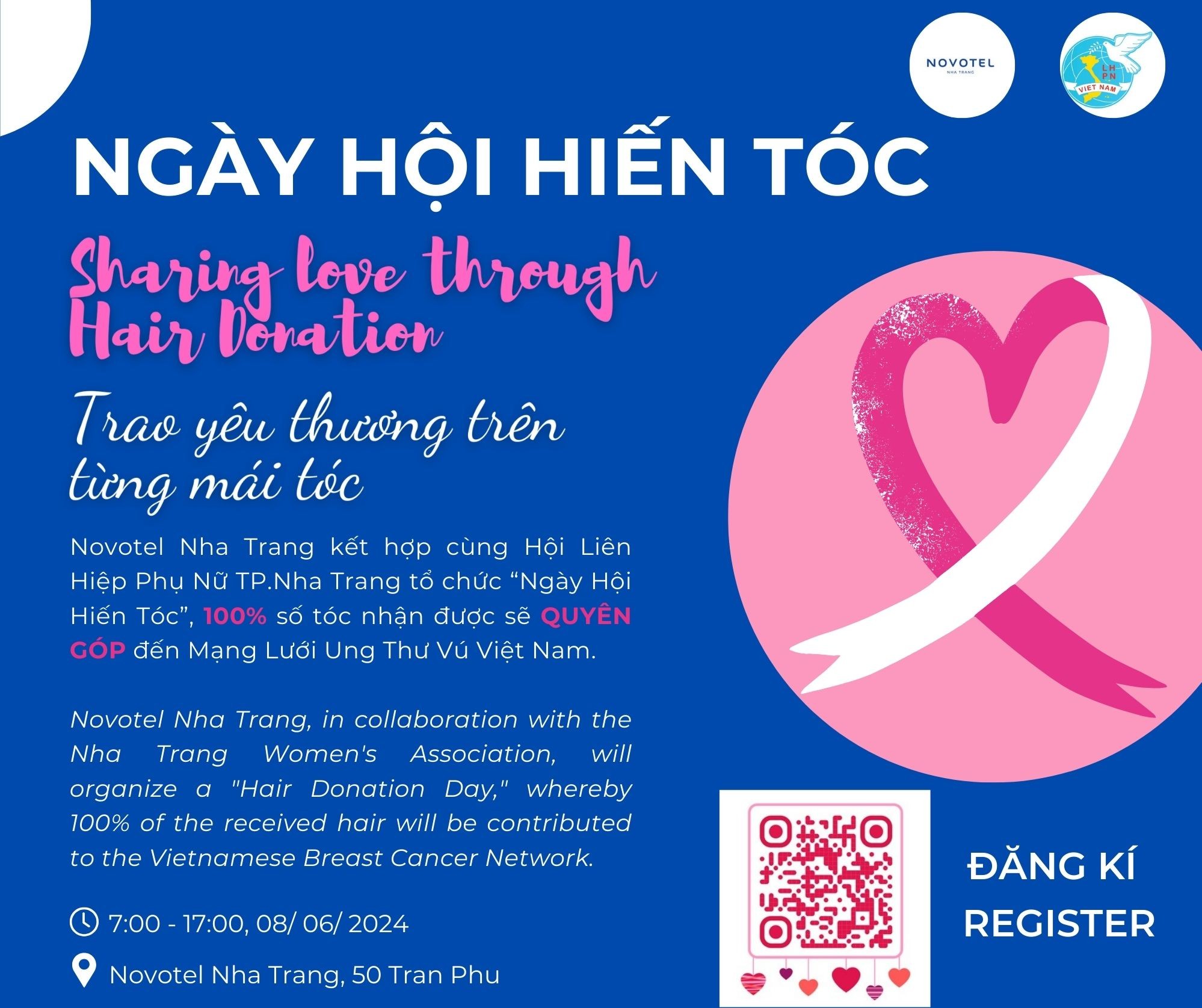
The feel-good news cycle has a favorite trope: the "brave" donor shearing their locks to save a cancer patient’s dignity. We just saw it again with a Sikh mother and daughter in Canada. It’s framed as a sacred tribute, a tear-jerker for the morning show crowd, and a triumph of human spirit.
It is actually a logistical nightmare that does almost zero to help the people it claims to serve.
If you want to honor a memory, write a check. If you want to feel like a hero without actually solving a problem, keep holding the scissors. The hair donation industry is built on a foundation of emotional vanity that ignores the brutal economics of medical-grade wig production. We are addicted to the "sacrifice" of the haircut because it costs us nothing but time and looks great on a grid, while the actual needs of oncology patients go ignored.
The Math of a Single Braid
Most donors believe their single ponytail goes straight onto the head of a child in need. This is a fantasy.
A high-quality, medical-grade prosthetic wig requires between 6 and 10 separate hair donations to create. Why? Because hair must be sorted by length, texture, and color. Your "unique" shade of chestnut is actually a sorting headache. When you donate 10 inches, nearly 4 inches are lost in the "hackling" process—where the hair is combed through metal spikes to align the cuticles and remove shorter strands.
Most people donate hair that is:
- Too short (under 12 inches is often discarded immediately).
- Too damaged (processed, dyed, or heat-treated hair is structurally useless for long-term prosthetics).
- Too gray (many charities won't take it because it doesn't take pigment well during the blending phase).
I have seen bins in the back of "charitable" organizations overflowing with hair that will never be used. It sits in warehouses until it becomes a biohazard or is quietly sold to textile recyclers. You aren't giving a child their confidence back; you are giving a non-profit a disposal problem.
The Hidden Cost of "Free" Wigs
The competitor narrative suggests that because the hair is free, the wig is free. This ignores the specialized labor required to build a cranial prosthesis.
A professional wig maker spends upwards of 50 to 80 hours hand-tying individual strands into a silicone or lace cap. This isn't a hobby; it’s a surgical-level craft. Even when the hair is "donated," the cost of manufacturing a single high-quality wig can exceed $2,500.
When you donate hair, you provide a raw material that accounts for less than 10% of the total value of the finished product. Meanwhile, the charity still has to find the cash to pay the artisans. If everyone who cut their hair instead donated the $200 they spent on their salon visit to a wig-funding grant, we would actually clear the waiting lists.
We prioritize the symbol of the hair over the utility of the wig.
The Cultural Misunderstanding of "Sacrifice"
In the Sikh tradition, Kesh (unshorn hair) is a pillar of faith, representing a harmony with the will of God. When the media picks up stories of Sikh women cutting their hair for charity, they frame it as the ultimate sacrifice.
But there is a nuance missed by the "heartwarming" headline: the commodification of a religious identity for a Western charitable model that is fundamentally broken. By centering the story on the "emotional tribute" of the hair cut, we reinforce the idea that a cancer patient’s worth is tied to their ability to look "normal" via a wig.
We are pathologizing hair loss. We are telling patients that the most important thing they can do is hide their condition, and we are telling donors that the most important thing they can do is provide the mask.
Synthetic Technology Has Already Won
The "human hair is best" argument is twenty years out of date.
Modern synthetic fibers—specifically those made from heat-friendly monofilament—are often superior for cancer patients. Why?
- Weight: Human hair wigs are heavy and hot, which is a nightmare for someone undergoing chemotherapy and dealing with skin sensitivity.
- Maintenance: A human hair wig requires constant styling, washing, and "resetting." A synthetic wig holds its shape.
- Price: You can buy five top-tier synthetic wigs for the price of one donated human hair wig.
If the goal is truly to provide a patient with an aesthetic choice during treatment, the obsession with "real hair" is an anchor. It’s an elitist preference that makes the charity process slower and more expensive.
The Brutal Honesty of the "People Also Ask"
People ask: "Where is the best place to donate my hair?"
The honest answer: Nowhere. Unless your hair is 14+ inches, never been touched by a drop of dye, and you are prepared to include a $50 donation to cover the processing fees, you are better off selling your hair to a private wig maker and donating that cash to a direct-relief cancer fund.
People ask: "Does my hair really go to a child?"
The honest answer: Statistically, no. Most hair ends up in the "unusable" pile. If it does make it through, it’s blended with hair from dozens of other people, treated with harsh chemicals to strip the color, and then dyed a uniform "natural" shade. The connection you feel to the recipient is a marketing byproduct.
Stop Cutting, Start Funding
If you actually care about cancer patients, stop looking for a pair of scissors.
The "gift of hair" is a vanity project for the donor. It provides a "brave" moment that requires no ongoing commitment. It’s the ultimate slacktivism because it grows back.
If you want to disrupt the cycle of ineffective "tributes," do the following:
- Donated Cold Caps: Spend your energy advocating for or funding scalp cooling technology. This actually prevents hair loss during chemo. It’s more effective to keep the hair on the patient’s head than to try and sew yours onto a cap later.
- Direct Cash Transfers: Give to organizations that pay for the transportation, childcare, and co-pays of patients. A wig doesn't cure the financial toxicity of a Stage IV diagnosis.
- Blood and Bone Marrow: If you want to give a part of your body that actually saves a life, get on the registry. It’s less "Instagrammable" than a haircut, which is exactly why the waiting lists are so long.
We need to stop rewarding the "emotional tribute" of hair donation and start demanding utility in our charity. The Canadian duo’s story is a beautiful sentiment trapped in a failed system.
Stop treating your salon appointments like a humanitarian mission. Your hair isn't a miracle; it's just dead protein. If you want to make a difference, give something that doesn't grow back: your money and your time.
Keep your hair. Give your checkbook.