We love bad news. It sells ads, sparks outrage, and fills our evening feeds with endless dread. But every now and then, a massive global trend moves in the right direction, and almost nobody notices. World hunger is falling. It's a quiet victory, happening in rural farming communities, agricultural labs, and supply chain hubs across the globe.
Yet, when people hear that hunger rates are improving, they immediately reach for their skepticism. They think of famine footage from decades past or assume that progress is just a temporary blip. That cynicism is dangerous. If you don't understand why global hunger is actually dropping, you can't figure out how to keep the momentum going. Read more on a similar topic: this related article.
Let's look past the noise.
The Reality Behind the Numbers
Data from the Food and Agriculture Organization and the World Food Programme show clear trends. We aren't just crossing our fingers and hoping for the best. We're seeing structural shifts in how food gets grown, stored, and distributed. Further analysis by NPR highlights comparable perspectives on the subject.
Decades ago, policymakers thought the solution to hunger was simply shipping massive tons of grain to crisis zones. That approach kept people alive for a week, but it didn't solve the underlying disease. It undercut local farmers, wrecked regional economies, and created permanent dependency.
Today's approach looks entirely different.
International aid organizations and local governments focus on resilience. They invest in drought-resistant crop varieties, decentralized grain storage, and mobile banking systems that let smallholder farmers buy fertilizer directly. When a drought hits a region in East Africa today, the response isn't just an emergency cargo plane. It's often cash transfers via mobile phones, allowing families to buy food from nearby markets that still have stock. This keeps local merchants in business and preserves community dignity.
What Most People Get Wrong About Agricultural Tech
When tech enthusiasts talk about food security, they usually imagine billion-dollar corporate farms covered in autonomous tractors and drone fleets. That's a myth. The vast majority of the world's food comes from smallholder farmers working plots under five hectares.
The real breakthroughs aren't flashy Silicon Valley gadgets. They're practical, hyper-local innovations.
Take Purdue improved cowpea storage bags. These are simple, triple-layer hermetic bags that seal out air and insects without needing chemical pesticides. In parts of West Africa, post-harvest losses used to eat up half a farmer's yield before it ever reached a market. These cheap bags stop pest damage entirely. A farmer can hold onto their grain, wait for market prices to rise, and feed their family through the lean season.
That is how you beat hunger. You don't need a spaceship. You need a better plastic bag.
Another massive shift involves data sharing. Weather apps designed specifically for small-scale farmers now provide localized rainfall predictions in local languages. If a farmer knows rain is delayed by two weeks, they plant a different seed variety. That small choice prevents a total crop failure.
The Supply Chain Bottleneck We Must Fix
Despite these wins, our global food system remains fragile. Production isn't actually the main problem anymore. We already grow enough calories to feed every human on the planet. The crisis lives entirely in distribution and logistics.
Spoilage ruins food before it ever hits a plate. In many developing nations, poor refrigeration infrastructure—often called the cold chain—means that perishable goods like dairy, meat, and fresh vegetables rot in transit.
If you want to keep world hunger falling, you have to invest in cold storage networks and rural roads. A farmer in South Asia might grow incredible tomatoes, but if the local road turns to mud during monsoon season, those tomatoes rot in the field. Fixing logistics isn't sexy. It doesn't make for a great charity gala. But paved roads and solar-powered refrigerators save lives.
Climate Shocks Threaten Everything
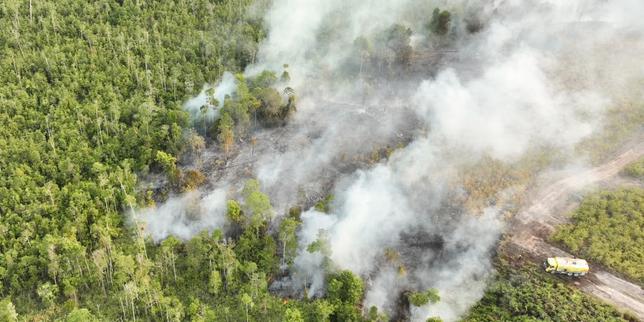
We can't talk about progress without acknowledging the threats trying to reverse it. Erratic weather patterns, shifting rainfall, and extreme heat waves put decades of agricultural gains at risk.
Crops bred for stable climates struggle when temperatures spike unexpectedly. Water tables drop. Soil degrades under intensive farming practices.
The response requires moving away from chemical-heavy monoculture and embracing regenerative agriculture practices. Farmers are rediscovering techniques like cover cropping, intercropping, and minimal tillage. These methods keep moisture in the soil, protect against erosion, and reduce the need for expensive synthetic fertilizers that trap farmers in cycles of debt.
When you improve soil health, you improve crop yields even when the weather acts up. It's resilient. It's grounded in science. And it works.
What You Can Do Right Now
You don't need to run an international aid organization to make an impact. Change starts with how we think about our own food consumption and where we direct our support.
Stop treating food security as a charity problem and start treating it as an infrastructure challenge. Support organizations that focus on local capacity-building, agricultural education, and market access rather than just emergency food drops.
Pay attention to food waste in your own life. When rich nations waste a third of their food, it ripples through global commodity markets, driving up prices for everyone else.
Keep pushing for policies that invest in international agricultural research. The CGIAR consortium of research centers has spent decades breeding better wheat, rice, and maize varieties that resist disease and thrive in harsh conditions. Funding these research labs yields massive returns for humanity.
The trend lines are moving in our favor. Hunger is falling because smart people stopped looking for silver bullets and started doing the hard, unglamorous work of building local resilience. Don't let cynicism convince you that nothing works. We know how to solve this. Now we just have to fund it, build it, and finish the job.