The hum is the first thing you’d notice. If you stood in the center of a data center—those vast, windowless cathedrals of silicon and cooling fans—the sound isn't a mechanical rattle. It is a deep, vibrating thrum that feels less like machinery and more like the breathing of a colossal, invisible beast. This is where your late-night searches, your AI-generated emails, and your cloud-saved memories live.
But there is a physical cost to this digital ghost world. It is measured in megawatts.
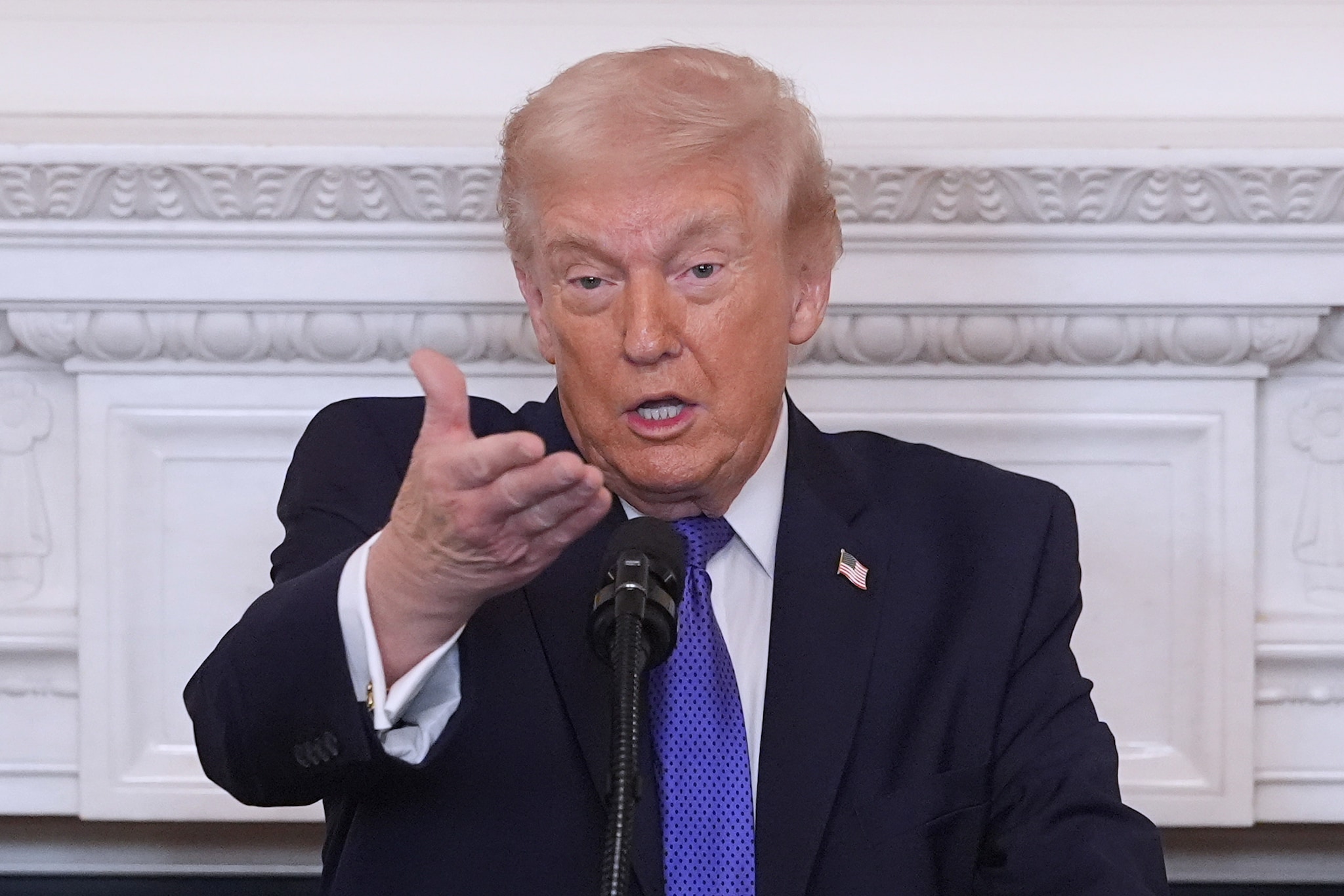
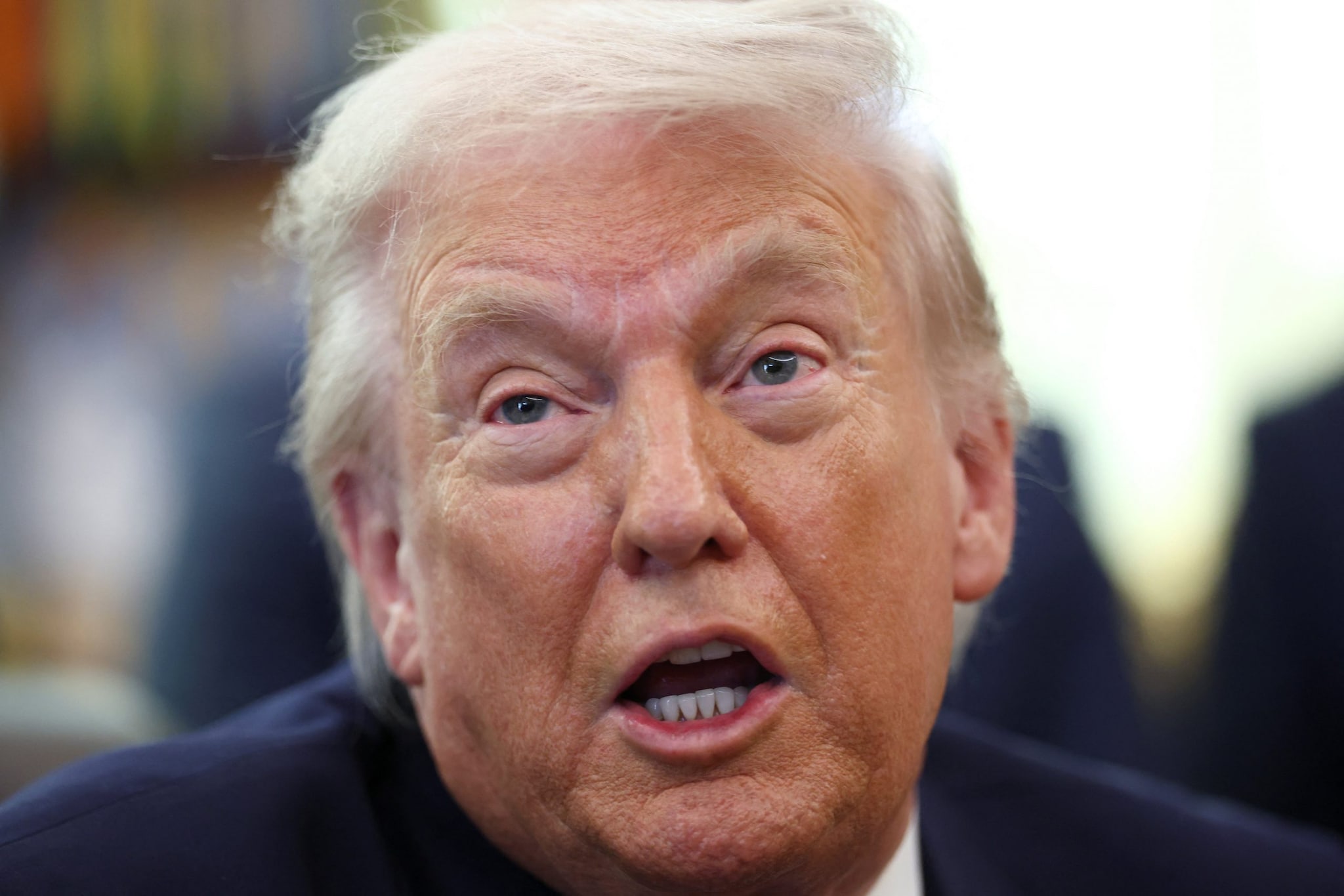
Donald Trump has signaled that the honeymoon period for Big Tech’s unbridled expansion is over, or at least, the terms of the lease are changing. By summoning the titans of Amazon, Google, and Meta to the White House, he isn't just looking for a photo op. He is looking for a signature on a dotted line—a pledge to shoulder the staggering energy costs that their innovations are currently offloading onto the American taxpayer and the aging national grid.
Consider a person we’ll call Sarah. Sarah lives in a modest suburb in Northern Virginia, a region often called "Data Center Alley" because it handles roughly 70% of the world's internet traffic. For years, Sarah didn't think much about the gray, windowless boxes popping up near the highway. Then, her electricity bill arrived. It wasn't just a slight bump; it was a surge.
While the tech giants rake in record profits from the AI boom, the infrastructure required to keep those "brains" cool is straining the local power supply. When the grid nears its limit, the utility companies don't just ask Google to turn off a few servers. They raise rates for Sarah. They build new substations and transmission lines, the costs of which are often baked into the public's monthly statements.
The tension in the Oval Office during these upcoming meetings won't be about content moderation or antitrust laws—at least not primarily. It will be about the raw, literal power required to fuel the next industrial revolution. Artificial Intelligence is a glutton. A single query to a generative AI model consumes ten times the electricity of a standard Google search. Multiply that by billions of users, and you aren't just looking at a technological trend. You are looking at an energy crisis in the making.
The President’s strategy is a classic pivot. He recognizes that while the U.S. wants to lead the world in AI to keep pace with China, the domestic political cost of soaring utility bills is a fire he cannot afford to let spread. By "inviting" these companies to the White House, the administration is essentially laying out a map of the American power grid and asking, "How much of this are you going to pay for?"
The tech giants have long touted their "carbon neutral" goals and their investments in wind and solar farms. This is a masterful bit of PR, but it obscures a grittier reality. Renewable energy is intermittent. The sun sets. The wind dies down. Data centers, however, never sleep. They require "baseload" power—the steady, unwavering flow of electricity that usually comes from nuclear plants, natural gas, or coal.
When a Meta or an Amazon signs a "Green Pledge," they often buy credits from a wind farm in Iowa to offset the energy they pull from a coal-heavy grid in Virginia. On paper, they are green. In reality, they are still straining the physical wires that keep Sarah’s refrigerator running.
Trump’s demand for an "energy cost pledge" is a move to bridge this gap between digital accounting and physical reality. He wants these companies to invest directly in new power generation—specifically nuclear and natural gas—rather than just buying their way out of the problem with certificates. He is gambling that the tech industry’s desperate need for power will force them to fund the very infrastructure the government has struggled to modernize for decades.
There is a certain irony in the scene. Here are the architects of the future, men and women who deal in algorithms and virtual realities, being brought back down to earth by the most ancient of concerns: heat and light. They are being told that if they want to build the "God-model" of AI, they have to help dig the trenches for the cables first.
But what happens if the giants refuse? Or, more likely, what happens if they agree but pass those costs right back to us?
We often think of the internet as something "out there," a weightless utility that exists in the air around us. We’ve been conditioned to believe that digital progress is synonymous with efficiency. Yet, the more "intelligent" our devices become, the more physical weight they place on the world. Every time an AI writes a poem or generates an image, a cooling fan somewhere spins faster. A turbine in a power plant miles away labors a bit harder.
The invisible stakes are the stability of our communities. If the grid becomes a playground for the wealthy few who can afford to pay for priority access, the average citizen is left in the dark—both literally and metaphorically. The White House meeting is an admission that the digital frontier has finally hit the Pacific Ocean. There is no more "free" space to expand without consequence.
We are entering an era of radical transparency regarding the cost of our digital lives. For years, we traded our data for free services. Now, we are being asked to trade our infrastructure for "intelligence."
The President is essentially playing the role of a landlord who has realized his tenants are running a high-voltage laboratory in the basement. He isn't necessarily going to evict them—the lab is too valuable for that—but he is definitely raising the security deposit.
The tech giants will likely point to their innovation as a gift to the nation. They will argue that AI will eventually find the efficiencies needed to solve the energy crisis it created. It’s a compelling narrative: the fire that burns the house will eventually teach us how to build a fireproof one. But that doesn't help the person paying the electric bill today.
As the sun sets over the Potomac and the lights of the White House flicker on, the hum continues. Thousands of miles away, in the dark corridors of data centers, the servers keep processing. They don't care about pledges or politics. They only care about the flow of electrons.
The negotiation in Washington isn't just about corporate responsibility or executive ego. It’s a fight over who owns the light switch. If the administration succeeds in pinning these costs on the giants, it could trigger a massive wave of private investment in American energy. If they fail, or if the "pledge" turns out to be more digital vapor, the thrum of the data center will only grow louder, drowning out the concerns of the people living in its shadow.
The glass screen of your phone is cool to the touch. But the world behind it is burning through resources at a rate we can barely comprehend. We are finally being asked to look past the glow and see the wires.