The air inside a moving car smells of synthetic pine and stale upholstery. It is a sterile, temporary space. For most people, a rideshare is a mundane corridor bridging two fixed points on a map. You check your phone, stare blankly at passing taillights, and mutter a polite goodbye. But when the dashboard camera is live, and the passenger is broadcasting her ordinary life to an audience of digital strangers, the backseat stops being a vehicle and starts becoming a stage.
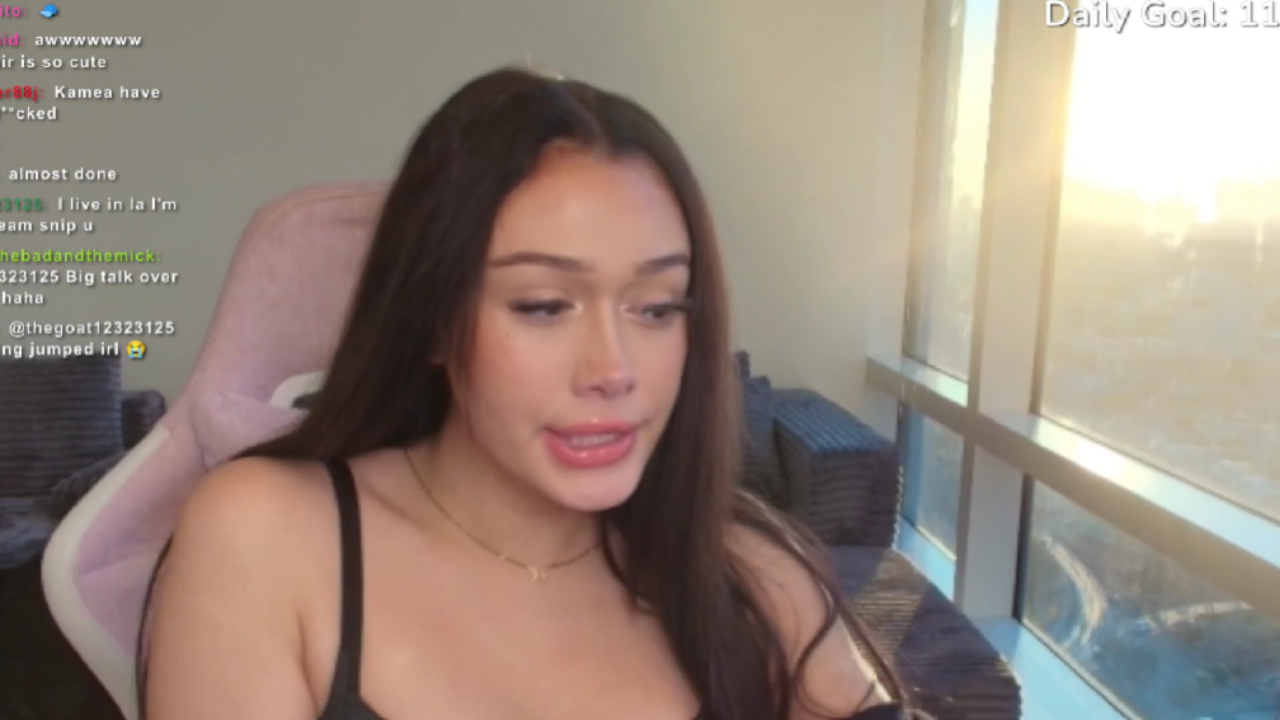
Consider the ordinary mechanics of modern visibility. Streamer Kamea, known online as Kameaisweird, climbed into an Uber with a simple, standard intention: to move through the city while maintaining the continuous, conversational pulse of an IRL broadcast. Her channel is built on random encounters, digital chats, and the unscripted friction of human connection modeled after old Omegle broadcasts. On paper, she is a micro-creator navigating the long tail of internet culture, pulling modest live viewer counts while talking to anyone willing to log on.
Yet the internet has a strange habit of shrinking distances until strangers collide in unexpected ways.
Mid-journey, the atmosphere curdled. The tension did not build slowly; it snapped into place. The driver, turning his attention away from the navigation app, appeared to recognize his passenger. What should have been a silent transit curdled into something harsh, marked by hostility and offensive remarks. The phone lens, pointed outward to capture the mundane textures of a city night, suddenly inherited a much heavier burden. It became a witness to a public confrontation inside a private vehicle.
Privacy is a fragile illusion in the age of constant streaming. When a driver realizes they are being recorded, the power dynamic shifts violently. The driver demanded that the recording stop, his voice rising over the hum of the engine. The camera, meanwhile, kept rolling, preserving every sharp syllable for an audience watching from their bedrooms and office chairs miles away.
Consider what happens next: the collision of two completely different realities. On one side sits a creator attempting to monetize and share her lived reality in real-time. On the other sits a worker suddenly confronted with the realization that his anonymous workday is being beamed out to an unquantifiable digital audience without his active consent. The language escalated, touching on deeply personal and offensive territory, transforming a routine fare into a flashpoint of modern digital anxiety.
The internet loves a spectacle, but it loves a mystery even more. When the clip escaped its original broadcast loop and spread across social platforms, the comment sections fractured instantly.
Was it real? Was it staged for engagement?
This is the cynicism tax levied on every modern digital creator. Every outburst, every crisis, and every tear caught on a smartphone lens is immediately weighed against the possibility of fabrication. Skeptics pointed out the statistical improbability of a random driver recognizing a streamer with a modest following. They argued about the ethics of recording workers, dissecting whether splashing water in self-defense or frustration was a justified reaction or a bridge too far.
The car door finally opened. Water hit the dashboard. The stream captured the abrupt exit, leaving an empty backseat and a lingering digital echo.
The ride ended, but the questions it raised about the blurring lines between public transit and private performance did not. We have built a world where anyone can broadcast their life to the world, but we have forgotten how to share physical space safely when the cameras are rolling. The dashboard camera stays dark, the streetlights blur past, and the algorithm moves on to the next piece of content, leaving the real human friction unresolved in the rearview mirror.