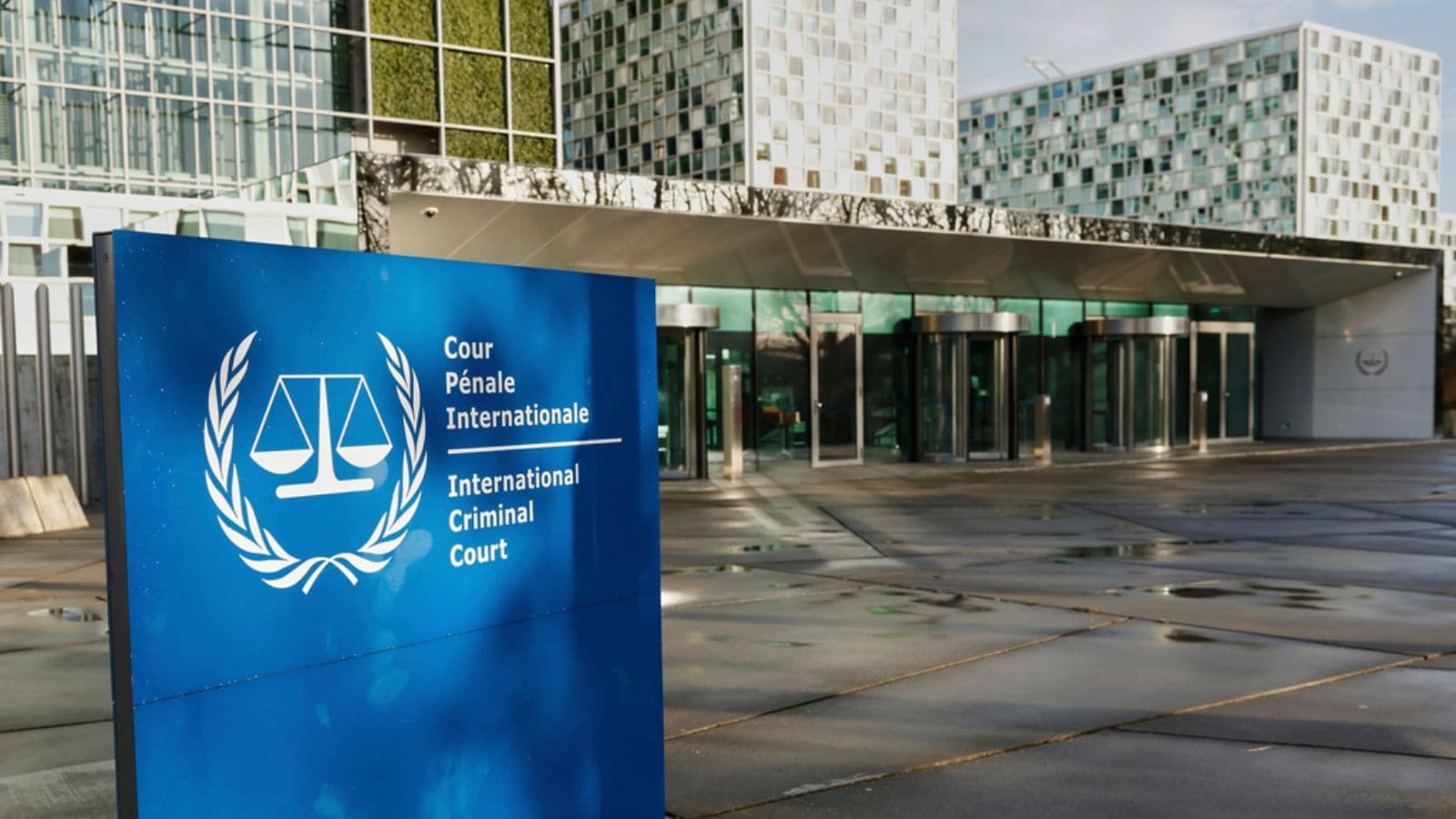
Rain in The Hague does not fall so much as it drifts. It hangs in the air, a stubborn silver mist that clings to the slate roofs of the embassies and greases the cobblestones around the Peace Palace. Inside those stone walls, under ceilings painted with allegories of justice and mercy, men and women shuffle papers in quiet rooms. They speak in measured tones. They trade briefs on genocide, war crimes, and crimes against humanity. They believe, or at least they pretend to believe, that ink on vellum and the steady ticking of a courtroom clock can hold back the ancient, bloody tide of human cruelty.
Then the cable arrives from Washington. Also making waves lately: The Broken Bridge Between Two Giants.
Across the Atlantic, where the political weather moves with the fury of a hurricane, a different kind of calculation is underway. Here, the International Criminal Court is not viewed as an impartial temple of human dignity. To powerful corners of the American capital, it is seen as an alien tribunal—an unelected body that presumes to judge soldiers and statesmen of a nation that never signed its founding treaty.
Now, the collision between these two irreconcilable worldviews is no longer a distant theoretical debate. It is a freight train barreling down the tracks toward the North Sea. Further details regarding the matter are covered by TIME.
Consider the quiet anxiety in a Dutch ministry office overlooking the canals. For decades, the Netherlands has worn its role as host to international justice like a tailored suit. It is a point of national pride. The country built the infrastructure, welcomed the diplomats, and absorbed the security costs, believing that by anchoring the world’s conscience in Dutch soil, it was helping to buy a safer, more predictable world.
That bargain is fracturing.
The threat of United States sanctions against the ICC is not merely a diplomatic spat over jurisdiction. It is an existential earthquake for a small nation wedged between its loyalty to European integration and its reliance on the transatlantic security umbrella. If Washington decides to penalize the court—freezing assets, barring visas for its prosecutors, or squeezing the financial institutions that process its payroll—the Dutch government finds itself standing directly in the crossfire.
You cannot host the world court when the world's most formidable superpower treats that court as a hostile entity.
The mechanics of this potential conflict are dry on paper, but bruising in practice. Imagine a mid-level compliance officer at a bank in Rotterdam. Her desk is covered in transaction logs. Her job is to keep her institution clean, compliant with both European Union privacy laws and punishing American financial regulations. Suddenly, an international warrant or a routine court expenditure involving an American target triggers a secondary sanctions warning. She faces a choice: process the payment for the global judiciary and risk locking her bank out of the American dollar-clearing system, or freeze the account and choke off the lifeblood of international justice.
This is what invisible stakes look like. They do not arrive with marching bands. They arrive as an email from a legal department warning that routine operations could soon be treated as a criminal offense.
The tension reveals a profound chasm in how nations perceive power and accountability. To the architects of the ICC, law must be universal to be real. If a war crime is committed, the perpetrator must answer, regardless of whether their passport bears an eagle or a dove. To critics in Washington, sovereignty is absolute. Democratic accountability happens at home, through domestic ballots and congressional oversight, not before international judges appointed by foreign capitals.
Neither side is likely to yield. The court has a docket to manage, fueled by a mandate to investigate atrocities from Ukraine to the Middle East. Meanwhile, American lawmakers from both major parties have historically viewed any threat of foreign prosecution against U.S. service members as an intolerable infringement on national defense. When those two immovable forces meet, the friction burns everyone nearby.
And so The Hague braces.
The city is preparing for a storm that may not break tomorrow, but whose thunder is already rattling the windows. Diplomats are drafting contingency plans in code. Security officials are quietly reviewing protocols for protecting international civil servants who might suddenly find themselves persona non grata in Western capitals.
The irony is bitter. The Netherlands built its modern identity on being a safe harbor for the world's highest ideals. Yet, in an era of surging nationalism and great power rivalry, safe harbors are hard to maintain when the titans choose to wage war in your front yard.
The rain continues to fall over the Peace Palace. The flags snap wetly in the wind. Inside, the judges continue their work, writing sentences that they hope will outlive the politicians who seek to tear them down. But outside, the horizon darkens, and the glass house begins to tremble.



