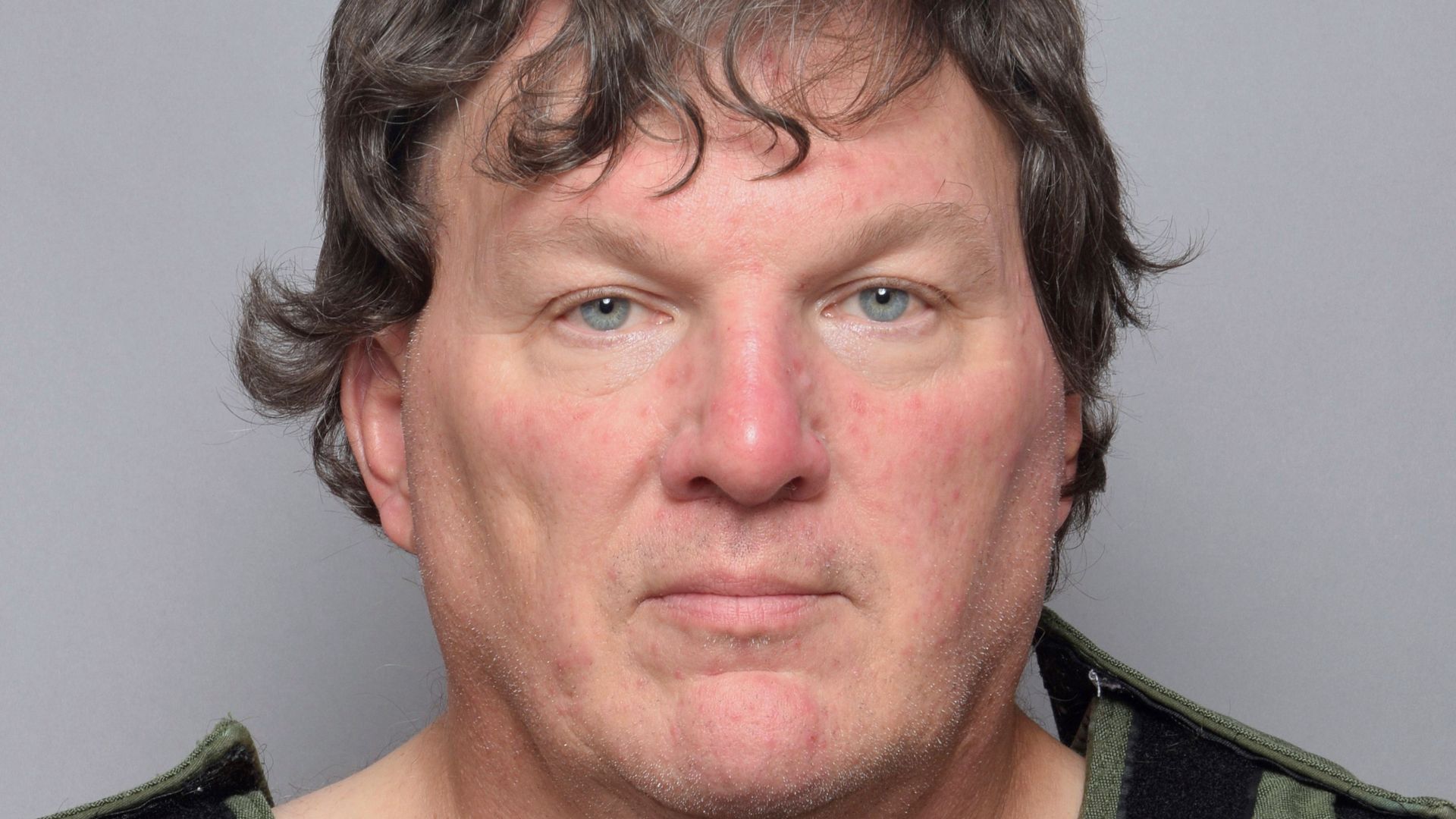
The modern horror story of the suburban family man with a monstrous double life didn't end with a dramatic courtroom showdown. It ended on a Wednesday morning in Riverhead, New York, with the quiet rustle of legal papers and the devastating weight of a family's grief. Rex Heuermann, a 62-year-old Manhattan architect who methodically hunted, tortured, and murdered eight women over at least 17 years, has been sentenced to life in prison without parole.
For nearly two decades, the Gilgo Beach serial killer case baffled New York detectives. It inspired true-crime podcasts and left families wondering if they would ever see justice. Today, the maximum sentence allowed under New York law brings a definitive end to Heuermann's freedom. But it does absolutely nothing to erase the systemic failures that allowed him to operate in plain sight for so long.
Heuermann pleaded guilty in April 2026 to the murders of seven women: Melissa Barthelemy, Amber Lynn Costello, Megan Waterman, Maureen Brainard-Barnes, Valerie Mack, Jessica Taylor, and Sandra Costilla. As part of his plea deal, he also admitted to killing an eighth woman, Karen Vergata, back in 1996. He targeted vulnerable sex workers who made appointments to meet him, strangling them and, in several cases, dismembering their bodies before dumping them along the desolate scrub of Long Island's Ocean Parkway.
Judge Timothy Mazzei did not mince words before handing down the sentence, branding Heuermann a "disgusting and pathetic, small man." Yet the true focus of the courtroom belonged to the victims' families, who finally had their chance to confront the monster.
The Heartbreaking Cost of a Delayed Investigation
The timeline of the Gilgo Beach case is a frustrating masterclass in missed connections. The first known victim, Sandra Costilla, was killed way back in 1993. The horror finally began coming to light in 2010 during the search for another missing woman, Shannan Gilbert. While scouring the marshes along the south shore, investigators stumbled upon four sets of remains wrapped in burlap.
More bodies followed. But the trail went cold for years because law enforcement failed to connect the dots on a critical piece of evidence. In 2010, a roommate of Amber Lynn Costello told police that a distinctive green pickup truck was connected to her disappearance, describing the driver as an "ogre-like" giant. It took until 2022 for a renewed task force to actually run that lead and pin down Heuermann, who owned that exact truck and lived in Massapequa Park.
The human cost of that twelve-year delay filled the courtroom during the sentencing. Liliana Waterman was only three years old when her mother, Megan Waterman, disappeared. She testified that she didn't fully comprehend what happened until she stumbled across an online article at age nine.
Amanda Funderburg, the sister of Melissa Barthelemy, recalled receiving taunting, cruel phone calls from Heuermann just days after her sister vanished. She was only 15 at the time. Amanda demanded that Heuermann look at her while she spoke. He barely glanced up, keeping his eyes downcast as she told him bluntly, "I hope you suffer."
The psychological toll extended beyond the victims' bloodlines. Melissa Cann, sister of Maureen Brainard-Barnes, broke down describing decades of survivor's guilt. She wondered constantly if she could have saved her sister. It's a weight she carried everywhere until she realized the guilt belongs solely to the man in the black suit at the defense table.
How Science and Digital Blueprints Trapped an Architect
Heuermann thought he was smart. He was a professional architect who drafted precise blueprints for buildings, and he applied that same clinical precision to murder. When state police finally raided his home and digital files, they uncovered a literal checklist for slaughter. The files contained explicit reminders to limit noise, clean the bodies, and systematically destroy evidence.
He used burner phones to arrange meetings and track his victims, believing he was leaving a blank digital footprint. He was wrong. Investigators used advanced mobile phone data mapping to show that his personal phone and the burner phones pinged off the exact same cell towers at the exact same times.
The final nail in his coffin came from something incredibly mundane: a discarded pizza box.
Detectives tailing Heuermann in Manhattan watched him throw away a pizza crust in a public trash bin. Forensic teams extracted DNA from that crust and matched it directly to genetic material recovered from highly degraded hair fragments found on the victims' bodies. The combination of generational DNA technology and old-school surveillance pulled back the curtain on his double life.
Even his ex-wife, Asa Ellerup, recently revealed the depth of the horror, noting she slept in the very basement where the torture and killings occurred. She chose not to attend the sentencing out of respect for the families, stating through her lawyer that her presence shouldn't distract from their closure.
The Reality of the Justice System's Blind Spots
We have to talk about why this took 17 years. The uncomfortable truth is that Heuermann deliberately targeted women he believed society wouldn't miss. Most of his victims were young sex workers working independently through online classifieds.
For years, their disappearances were treated as low-priority runaways rather than the work of a serial predator. The institutional bias of early investigators stalled the case and allowed a killer to keep his architectural practice running on Fifth Avenue while his body count grew.
If you are a true-crime follower or someone invested in systemic justice, the lesson here is clear: investigative priorities dictate who lives and who dies. The Gilgo Beach task force only found answers when they stopped treating these women as statistics and started treating them as human beings with families demanding answers.
Moving forward, your best step to understand the broader impact of this case is to look into the ongoing legal reforms regarding how police track missing persons reports for vulnerable populations. Support investigative transparency organizations like the National Center for Missing & Exploited Children, and demand that your local police departments adopt the updated DNA profiling standards that solved this decades-old mystery. Justice shouldn't have to wait for a pizza crust.